
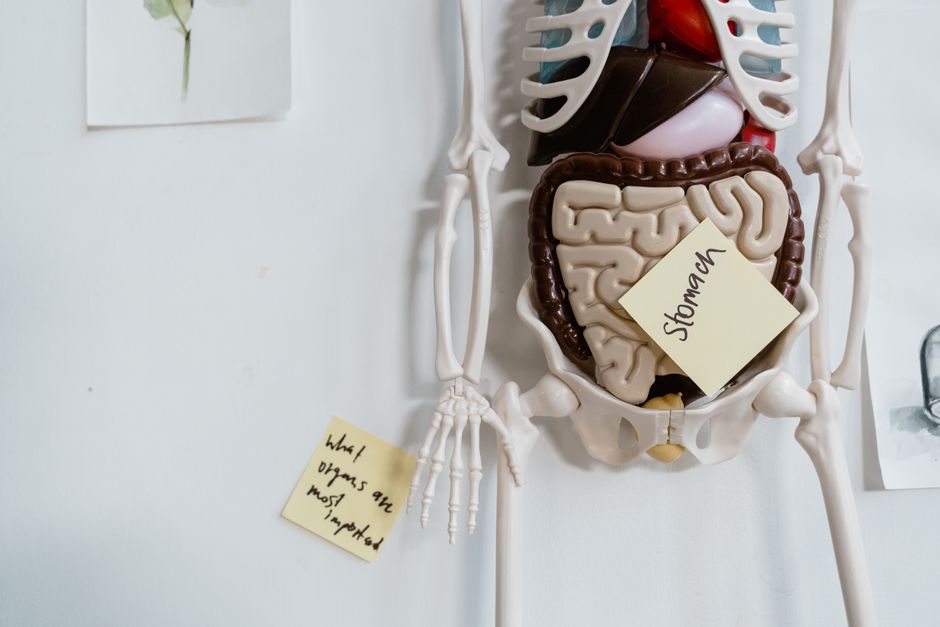
A stomach bug — viral gastroenteritis — usually hits fast and leaves you wiped out. By the day after the worst symptoms pass, your gut is still healing and your body has lost fluid and electrolytes. The safest foods to eat the day after a stomach bug are bland, low-fiber, low-fat options: plain crackers, toast, white rice, bananas, applesauce, and clear broths. Start with small amounts and add more only as your stomach tolerates it.
That advice is not arbitrary. It follows from what is actually happening inside your digestive tract after an infection. Understanding that process helps you make better choices than any generic “BRAT diet” list alone.
Why Your Gut Needs Gentle Food After a Stomach Bug
Viral gastroenteritis damages the cells lining your small intestine. Those cells normally absorb water, sodium, and nutrients. When they are inflamed or damaged, absorption drops and fluid shifts into the gut — which is why diarrhea happens. The lining typically recovers within a few days, but it does not bounce back instantly.
During that recovery window, your gut is more sensitive to everything. High-fat foods slow stomach emptying and can worsen nausea. High-fiber foods add bulk your irritated intestine cannot process well. Very sugary foods and drinks pull water into the gut through osmosis and can make diarrhea worse.
This is why the day after a stomach bug calls for simple, low-residue foods. You are not “being safe” for no reason — you are giving damaged tissue time to repair.
What To Eat The Day After A Stomach Bug?
Start with foods that are easy to digest and gentle on an inflamed gut. The classic list still holds up: crackers, toast, white rice, bananas, applesauce, and clear broth. None of these will irritate your stomach, and most provide at least some energy or electrolytes.
Here is a practical breakdown:
- Plain crackers or toast — dry, low-fat, easy to tolerate. Avoid butter or heavy spreads at first.
- White rice — plain, no added fat or strong seasoning. It is low in fiber and easy on the gut.
- Bananas — soft, easy to digest, and a source of potassium, which you lose through diarrhea and vomiting.
- Applesauce — plain, unsweetened. The pectin in apples may help firm up loose stools.
- Clear broth or bouillon — replaces sodium and some fluid. Avoid very salty or heavily seasoned versions.
- Plain oatmeal — cooked soft, no added sugar or cream. A gentler source of energy than most cereals.
- Boiled or baked potato — no skin, no butter, no heavy toppings at first.
- Plain yogurt — if you tolerate dairy. Contains protein and some electrolytes. Skip if dairy makes things worse.
Portion size matters as much as food choice. Start with a few bites. Wait 30 to 60 minutes. If your stomach handles it, eat a little more. Pushing a full meal too soon is one of the most common reasons people feel worse again.
What About Fluids and Electrolytes?
Rehydration is arguably more important than food on day one after a stomach bug. Diarrhea and vomiting deplete water, sodium, potassium, and chloride. If you only drink plain water, you can dilute the electrolytes already in your body — which is why oral rehydration solutions exist.
Oral rehydration solutions (ORS) are the standard for replacing fluid and electrolytes during and after gastroenteritis. They are available at pharmacies without a prescription. The World Health Organization has long endorsed ORS as a first-line treatment for dehydration from diarrheal illness. If you cannot find a commercial ORS, some clinicians recommend a homemade version using precise measurements of salt, sugar, and water — but getting the ratio wrong can make things worse, so a commercial product is safer when available.
What about sports drinks? They contain electrolytes, but most also contain a lot of sugar. The sugar can pull water into the gut and worsen diarrhea in some people. They are better than nothing if ORS is not available, but they are not the ideal choice.
Broth, coconut water, and diluted fruit juice are common alternatives. Broth provides sodium. Coconut water provides potassium. None of these matches the electrolyte balance of a proper ORS, but they can help if you are also eating solid food.
Foods and Drinks To Avoid the Day After a Stomach Bug
Certain foods and drinks reliably make recovery harder. Avoid them until you have been symptom-free for at least 24 to 48 hours and are eating normally again.
- Dairy (except yogurt if tolerated) — temporary lactose intolerance is common after viral gastroenteritis because the infection damages the cells that produce lactase. Milk, ice cream, and cheese can cause bloating, gas, and diarrhea even if you normally digest them fine.
- High-fat foods — fried food, greasy takeout, heavy sauces. Fat slows stomach emptying and can trigger nausea.
- High-fiber foods — raw vegetables, beans, whole grains, nuts, seeds. These add bulk your gut cannot handle yet.
- Very sugary foods and drinks — candy, soda, sweetened juice. Sugar draws water into the intestine.
- Caffeine and alcohol — both are diuretics and can worsen dehydration. Caffeine also stimulates the gut.
- Spicy foods — can irritate an already inflamed stomach lining.
- Artificial sweeteners — sorbitol, mannitol, and xylitol can cause gas and diarrhea on their own.
The lactose issue is worth emphasizing. Many people feel fine with dairy normally but develop temporary lactose intolerance after a stomach bug. It usually resolves within a few days to a couple of weeks as the intestinal lining heals. If dairy bothers you now but never did before, that is likely why.
How To Reintroduce Foods Without Setbacks
Recovery is not a straight line. Most people can return to normal eating within two to three days after symptoms stop, but pushing too fast is a common mistake. The reintroduction should be gradual and guided by how you feel, not by a calendar.
A reasonable approach:
- Day 1 after symptoms stop: Clear fluids, ORS, plain crackers, toast, bananas, applesauce, white rice.
- Day 2: Add soft-cooked eggs, plain oatmeal, boiled potato, plain yogurt if tolerated.
- Day 3: Add lean protein (chicken, turkey), well-cooked vegetables without skins, soft bread.
- Day 4 and beyond: Gradually reintroduce normal foods. Add high-fiber and high-fat foods last.
If a food triggers nausea, cramping, or diarrhea again, back off for a day and try again later. This is not a sign of failure. It means your gut is still healing.
One thing many people overlook: your appetite may return before your gut is fully ready. Feeling hungry is a good sign, but it does not mean you can eat a full pizza. Hunger signals recover faster than intestinal absorption does.
When To Seek Medical Attention
Most stomach bugs resolve on their own within a few days. But some situations need medical care. Seek medical attention if you experience:
- Blood in your stool or vomit
- Signs of severe dehydration — dizziness when standing, very dark urine, no urination for 8 hours or more, dry mouth, sunken eyes
- High fever (above 101°F or 38.3°C) that lasts more than a day or two
- Severe abdominal pain that is not relieved by vomiting or using the bathroom
- Vomiting that prevents you from keeping any fluids down for more than 24 hours
- Symptoms that last more than three days without improving
Young children, older adults, and people with weakened immune systems are at higher risk of dehydration and may need medical care sooner. If you are unsure, call your doctor. It is always better to check.
Does the BRAT Diet Still Hold Up?
The BRAT diet — bananas, rice, applesauce, toast — is a well-known approach to eating after a stomach bug. It is not a formal clinical protocol with strong trial evidence behind it, but the logic is sound: these foods are low in fiber, low in fat, and easy to digest.
The main criticism is that BRAT is nutritionally incomplete. It lacks protein, fat, and several vitamins and minerals. For a day or two, that is not a problem. For longer than that, it can leave you undernourished when your body needs nutrients to heal.
A better approach is to use BRAT foods as a starting point on day one, then expand to include soft proteins, cooked vegetables, and other gentle foods as soon as you tolerate them. The goal is not to stay on BRAT — it is to use it as a bridge back to normal eating.
Some clinicians also recommend probiotic foods like plain yogurt or kefir during recovery. The evidence here is mixed. Some studies suggest probiotics may shorten the duration of diarrhea from viral gastroenteritis by a modest amount. Other studies show no clear benefit. The evidence is not strong enough to call probiotics a standard recommendation, but they are unlikely to cause harm in most healthy adults if tolerated.
Frequently Asked Questions
Can I eat eggs the day after a stomach bug?
Yes, if they are plain and well-cooked. Scrambled or hard-boiled eggs without butter, oil, or heavy seasoning are usually gentle enough for most people on day two, but start with a small amount and see how you feel.
How long should I stay on bland food after a stomach bug?
Most people can return to normal eating within two to three days after symptoms stop. Add foods gradually and back off if a specific food triggers symptoms again.
Is it OK to drink coffee after a stomach bug?
It is better to avoid coffee until you are fully rehydrated and eating normally again. Caffeine is a mild diuretic and can stimulate the gut, which may worsen dehydration or loose stools.
Should I take a probiotic after a stomach bug?
The evidence on probiotics for recovery from viral gastroenteritis is mixed. Some studies suggest a modest benefit, but results vary and no strong recommendation exists. Ask your doctor if you are considering one.
