
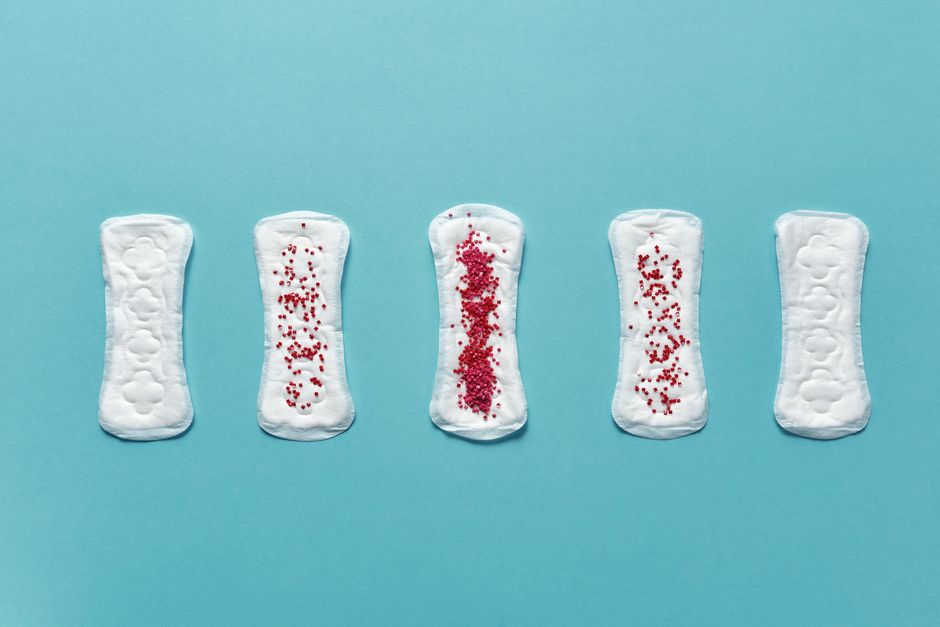
There is no single perfect meal for the first day of your period, but the most helpful foods are ones that support stable blood sugar, replace iron lost through bleeding, and ease inflammation. Think iron-rich foods like lentils and beef, complex carbohydrates like oats and sweet potatoes, and plenty of water. Just as important is what to limit: very salty foods, heavy caffeine, and alcohol can make cramps and bloating feel worse.
Menstrual symptoms are real, and food does influence some of them. It does not control everything. Hormones drive most of what happens on day one, and diet works at the edges. Still, those edges are worth managing, especially when you feel rough and want to do something concrete.
What To Eat On The First Day Of Your Period?
Focus on four things: iron, complex carbohydrates, fluids, and foods that help rather than worsen inflammation. A simple day-one plate might include a bowl of oatmeal with berries, a lentil or beef-based meal, a handful of nuts, and several glasses of water. That combination addresses the main things your body is dealing with.
Here is why each matters.
Iron. Menstrual bleeding removes red blood cells, and iron is central to making new ones. On heavy flow days, iron needs rise. The body absorbs iron from animal sources (heme iron) more easily than from plant sources (non-heme iron). Pairing plant iron with vitamin C helps. A squeeze of lemon on lentils, or peppers alongside beans, improves absorption.
Complex carbohydrates. Oats, whole grains, sweet potatoes, and beans release energy slowly. This helps keep blood sugar steadier, which some people find reduces irritability and energy crashes. The evidence linking blood sugar swings directly to mood during periods is not strong, but steady energy is a reasonable goal regardless.
Fluids. Water does not cure cramps, but dehydration can worsen headaches and fatigue. Drinking regularly through the day is simple and useful.
Less salt, less alcohol, less excess caffeine. These are the practical subtractions. More on each below.
Why Does Your Body Need Different Foods During Your Period?
Menstruation involves blood loss, hormone shifts, and inflammation. Each one changes what your body is using up.
Estrogen and progesterone fall sharply just before and during the first days of bleeding. That drop is linked to the cramping and mood changes many people feel. Prostaglandins, hormone-like compounds that help the uterus contract to shed its lining, are also elevated. Those contractions are what cramps actually are. They are also why anti-inflammatory habits can matter, in a modest way.
Iron loss is the most concrete nutritional change. The average menstrual flow is modest, but flow varies widely. People with heavy bleeding lose meaningfully more iron and are at higher risk of iron deficiency. If you regularly feel exhausted during your period, that is worth raising with a clinician rather than assuming it is normal.
Which Foods Help With Cramps And Fatigue?
No food stops cramps the way medication does. What certain foods can do is support the systems involved and avoid making things harder.
- Iron-rich foods: beef, chicken, lentils, chickpeas, spinach, fortified cereals. Pair plant sources with vitamin C.
- Omega-3 sources: salmon, sardines, walnuts, flaxseed. Some studies suggest omega-3 intake may modestly reduce menstrual pain, though results vary and the effect is not large.
- Magnesium-rich foods: dark leafy greens, nuts, seeds, whole grains, beans. Magnesium is involved in muscle function. Evidence for magnesium supplements reducing cramps exists but is limited and mixed.
- Complex carbohydrates: oats, brown rice, sweet potatoes, whole-grain bread.
- Bananas and other potassium sources: potassium works alongside sodium in fluid balance, which may help with bloating.
Some research suggests omega-3 fats may reduce the intensity of period pain, but the studies are small and results are not consistent. It is reasonable to include them. It is not reasonable to expect them to replace pain relief that works for you.
What Should You Avoid On The First Day?
Three things are worth limiting: excess salt, alcohol, and very high caffeine intake.
Salt. High-sodium foods promote water retention, which can worsen bloating. This is well established. Cutting back on processed foods, chips, and salty takeout on heavy days is a small, sensible step.
Alcohol. Alcohol can worsen dehydration and disrupt sleep. It also affects blood sugar regulation. None of this is specific to periods, but on a day when you already feel off, it does not help.
Caffeine. Caffeine is not forbidden. Moderate intake is fine for most people. Very high intake, though, can worsen anxiety, jitteriness, and sleep, and some people find it aggravates breast tenderness. If you notice a pattern, adjust and see.
One clarification worth making: there is a persistent claim that caffeine “causes” cramps. That is not well supported. The relationship, if any, is about sensitivity and dose, not a direct cause.
Does Diet Actually Reduce Period Symptoms?
The evidence is real but modest. Diet is not a treatment for menstrual pain or heavy bleeding. It is a supporting factor.
Some studies suggest that diets higher in omega-3 fats and lower in processed foods are associated with less menstrual pain. Other research points to calcium and vitamin D intake being linked to fewer symptoms in some groups. The strength of this evidence varies, and much of it comes from observational studies, which cannot prove cause and effect.
What is well established: iron deficiency is common in people with heavy periods, and diet affects iron status. That part is not debatable. The rest is more about reducing friction than fixing the underlying process.
If your period pain is severe, disrupts your life, or does not respond to over-the-counter pain relief, that is a reason to see a clinician. Some conditions, like endometriosis, cause significant pain and need proper assessment. Food is not a substitute for that conversation.
Sample Day-One Meal Ideas
These are examples, not rules. The goal is iron, steady energy, and fluids.
- Breakfast: Oatmeal with berries, a spoon of peanut butter, and a glass of water or fortified orange juice.
- Lunch: Lentil soup with a side of bell peppers, or a beef and vegetable stir-fry with brown rice.
- Snack: A handful of walnuts and a banana.
- Dinner: Salmon with sweet potato and spinach, or a chickpea and spinach curry.
- Through the day: Water regularly. Herbal tea if you want something warm.
If you do not eat meat, plant iron sources become more important. Beans, lentils, tofu, and fortified cereals all count. Pair them with vitamin C to improve absorption. Avoid drinking tea or coffee right with iron-rich meals, since tannins can reduce absorption.
Frequently Asked Questions
What foods help with period cramps?
Foods rich in omega-3 fats, magnesium, and iron may help modestly, though no food treats cramps directly. The strongest evidence is for maintaining overall nutrition rather than any single food.
Is it okay to drink coffee on my period?
Moderate caffeine is generally fine for most people. Very high intake may worsen jitteriness or breast tenderness in some people, so adjust based on how you feel.
Should I take iron supplements during my period?
Only if a clinician has confirmed you need them, since iron supplements can cause side effects and are not appropriate for everyone. Heavy bleeding and persistent fatigue are reasons to get tested rather than self-supplement.
Does chocolate help period symptoms?
There is no strong evidence that chocolate relieves cramps, though it may lift mood for reasons unrelated to physiology. Dark chocolate in small amounts is a reasonable treat, not a treatment.
