

If your stomach lining is inflamed, the food that helps most is bland, low-acid, and easy to digest. Think oatmeal, bananas, plain rice, cooked vegetables, lean chicken, and plain yogurt. Skip alcohol, coffee, spicy food, and greasy meals until you feel better.
Gastritis means inflammation of the stomach lining. It can be short-term or last for months. Food does not cure it, but what you eat can calm symptoms and support healing. What you avoid matters just as much as what you add.
What To Eat On Gastritis?
There is no single gastritis diet. But some foods are far less likely to irritate an inflamed stomach, and a few may actually help. The goal is to reduce acid irritation, avoid foods that slow healing, and give your stomach lining a chance to recover.
Foods that tend to sit well:
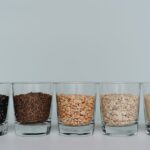
- Oatmeal and other whole grains. They are low in acid and gentle on the stomach. Oats also contain soluble fiber, which may support the protective mucus layer in the gut.
- Bananas. Low-acid fruit that is easy to digest. Some research suggests bananas may help protect the stomach lining, though the evidence is not strong enough to call them a treatment.
- Plain rice and pasta. Refined grains are bland and unlikely to trigger symptoms.
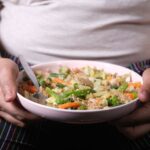
- Cooked vegetables. Carrots, green beans, zucchini, and squash are easier on the stomach when cooked than raw.
- Lean protein. Skinless chicken, turkey, fish, and eggs. Avoid frying.
- Plain yogurt and kefir. These contain probiotics. Some studies suggest probiotics may help with H. pylori treatment, but results vary and they are not a substitute for medical therapy.
- Ginger. Small amounts may help with nausea. Avoid large doses, which can irritate the stomach.
- Chamomile or ginger tea. Caffeine-free and soothing.
None of these foods are proven to heal gastritis on their own. They reduce irritation and make eating less uncomfortable. That is their role.
What Foods Should You Avoid With Gastritis?
Avoiding trigger foods is often more effective than adding “healing” foods. The stomach lining is inflamed. Anything that increases acid, slows emptying, or directly irritates the surface will make things worse.
- Alcohol. One of the most consistent irritants. It can damage the stomach lining directly and increase acid production.
- Coffee and caffeine. Both regular and decaf can stimulate acid. Caffeine also relaxes the valve between the stomach and esophagus, which can worsen reflux.
- Spicy foods. Chili, hot peppers, and hot sauce. These do not cause gastritis, but they can aggravate existing inflammation.
- Fried and greasy foods. High-fat meals slow stomach emptying, which means acid stays in contact with the lining longer.
- Citrus and tomato products. Oranges, lemons, and tomato sauce are acidic and commonly trigger symptoms.
- Processed meats. Bacon, sausage, and deli meats are high in fat and often contain nitrates. Some research links processed meat to stomach irritation.
- Carbonated drinks. The bubbles can increase pressure in the stomach and worsen discomfort.
- Chocolate. Contains caffeine and other compounds that can relax the lower esophageal sphincter.
Not everyone reacts to every food on this list. Keeping a simple food diary for a week or two can help you identify your own triggers. What bothers one person may be fine for another.
Does Diet Alone Treat Gastritis?
No. Diet can reduce symptoms, but it does not treat the underlying cause. Gastritis has several possible causes, and each one needs a different approach.
- Helicobacter pylori infection. A common bacterial cause. It requires antibiotic treatment. Diet alone will not clear it.
- Long-term NSAID use. Ibuprofen, naproxen, and aspirin can erode the stomach lining. Stopping or reducing them — under a doctor’s supervision — is often necessary.
- Alcohol use. Heavy drinking can cause both acute and chronic gastritis.
- Autoimmune gastritis. The body attacks its own stomach lining cells. This is less common and requires medical management.
- Stress and severe illness. Physical stress from surgery, trauma, or critical illness can cause gastritis.
If you have been diagnosed with H. pylori, no food will replace the antibiotics your doctor prescribes. If you take NSAIDs daily, talk to your doctor before stopping them. Some are needed for heart protection, and stopping suddenly can be dangerous.
Diet is a supporting player. It helps you feel better while the real treatment does its work.



How Should You Eat When You Have Gastritis?
How you eat matters as much as what you eat. Large meals stretch the stomach and increase acid production. Eating too fast or lying down after a meal can make symptoms worse.
Practical habits that help:
- Eat smaller meals more often. Five small meals instead of three large ones.
- Chew slowly and thoroughly.
- Stay upright for at least 30 minutes after eating. Lying down too soon can cause acid to flow back into the esophagus.
- Stop eating a few hours before bedtime.
- Drink water between meals rather than during them. Too much liquid with food can dilute stomach acid and slow digestion.
- Keep a food and symptom diary. Patterns emerge quickly.
These habits are widely recommended by clinicians. They are not backed by large clinical trials specifically for gastritis, but they align with what is known about stomach physiology and reflux. They are low-risk and often helpful.
Are There Foods That Actually Help Heal the Stomach Lining?
Some foods contain compounds that may support the stomach’s natural defenses. The evidence is early, but a few are worth knowing about.
Honey. Manuka honey and other dark honeys have shown antibacterial activity against H. pylori in laboratory studies. Whether eating honey helps clear the infection in people is not established. It is not a treatment.
Cabbage juice. An old remedy that has been studied in small trials. One small study from decades ago suggested cabbage juice helped peptic ulcers heal faster than a placebo. The study was small and has not been widely replicated. It is not a standard recommendation.
Green tea. Contains polyphenols that may have anti-inflammatory effects. But green tea also contains caffeine, which can irritate the stomach. Decaffeinated green tea may be a better choice.
Turmeric. Curcumin, the active compound, has anti-inflammatory properties. Some studies suggest it may help with indigestion, but evidence for gastritis specifically is limited. High doses can cause stomach upset in some people.
Probiotics. Some studies suggest certain strains may reduce H. pylori levels and improve tolerance to antibiotic treatment. Results vary by strain and dose. Probiotics are not a replacement for antibiotics.
The pattern here is consistent: laboratory promise, limited human evidence. No food has been proven to heal gastritis. Some may help a little. None replace medical treatment.
When Should You See a Doctor?
See a doctor if you have gastritis symptoms that last more than a week, or if they interfere with eating or drinking. Also see a doctor if you have any of these:
- Blood in your vomit or stool
- Black, tarry stools
- Severe pain in your upper abdomen
- Unexplained weight loss
- Feeling full after only a few bites
- Difficulty swallowing
These can be signs of bleeding or other serious problems. Do not wait.
If you have been diagnosed with gastritis and symptoms are not improving with diet changes, that is also a reason to check in. You may need testing for H. pylori or a change in medication.
What Does a Sample Day of Eating Look Like?
Here is one example of a day that avoids common triggers. It is not a prescription. It is a starting point you can adjust based on what you tolerate.
| Meal | Example |
|---|---|
| Breakfast | Plain oatmeal with banana and a spoonful of honey. Chamomile tea. |
| Mid-morning snack | Plain yogurt or a few whole-grain crackers. |
| Lunch | Grilled chicken with white rice and cooked carrots. Water. |
| Afternoon snack | A pear or a small handful of almonds if tolerated. |
| Dinner | Baked fish with mashed sweet potato and green beans. Herbal tea. |
Notice what is missing: no coffee, no alcohol, no fried food, no tomato sauce, no citrus. Those are the most common triggers. If you tolerate some of them, you may not need to avoid them forever.
This is not a forever diet. Most people can gradually reintroduce foods as symptoms improve. Work with your doctor or a dietitian if you are unsure.
Frequently Asked Questions
Can I drink coffee with gastritis?
Coffee stimulates acid production and can worsen symptoms for many people. Decaf is not necessarily better because it still contains compounds that trigger acid.
Is yogurt good for gastritis?
Plain yogurt is gentle and contains probiotics that some studies suggest may help with H. pylori treatment. Avoid sweetened or flavored yogurts, which can be high in sugar.
How long does it take for gastritis to heal with diet changes?
Symptoms often improve within a few days to a few weeks, but healing depends on the cause. If H. pylori or NSAID use is the cause, diet alone will not heal it.
Can I eat bananas with gastritis?
Yes. Bananas are low-acid, easy to digest, and generally well tolerated. Some research suggests they may help protect the stomach lining, though the evidence is not strong.
