
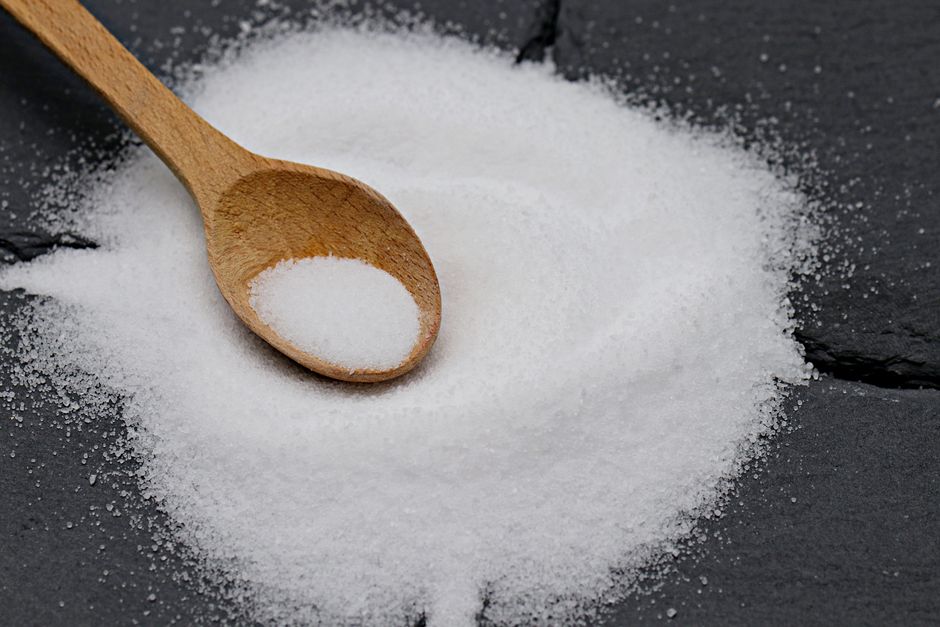
Most Americans eat far more sodium than their bodies need. The average daily intake sits well above the recommended limit of 2,300 milligrams, and many people consume closer to 3,400 milligrams. A low sodium diet means keeping your daily intake near 2,300 milligrams or lower, and for some people with high blood pressure or kidney disease, a doctor may recommend 1,500 milligrams. The strategy is simple: eat whole foods you prepare yourself, skip processed and packaged foods, and learn to read nutrition labels carefully.
What Counts as Low Sodium Per Serving?
Food labels give you a clear starting point. The FDA defines these terms so you can compare products quickly:
- Low sodium: 140 milligrams or less per serving
- Very low sodium: 35 milligrams or less per serving
- Sodium-free: less than 5 milligrams per serving
- Reduced sodium: at least 25 percent less sodium than the regular version
- Light in sodium: at least 50 percent less sodium than the regular version
These labels only help if you check the serving size. A package can look small but contain two or three servings. Multiply the sodium per serving by the number of servings you actually eat.
What To Eat On A Low Sodium Diet And What To Skip
Fresh and minimally processed foods are naturally low in sodium. Build your plate around these categories and you will stay within your target without much effort.
Fresh fruits and vegetables are essentially sodium-free. Apples, bananas, oranges, berries, leafy greens, carrots, broccoli, and zucchini all contain less than 10 milligrams per serving. Frozen versions without added sauces or seasonings work just as well. Canned vegetables are the exception — they often contain added salt. Rinsing canned vegetables under running water can remove some sodium, but not all of it.
Fresh meats, poultry, and fish are naturally low in sodium. Chicken breast, ground turkey, beef, pork, and fresh fish contain about 50 to 100 milligrams per serving before any seasoning. The problem comes from marinades, brines, and injected solutions. Check the label on packaged fresh meat — some brands inject a salt solution that adds several hundred milligrams per serving. Choose products that list only the meat as the ingredient.
Whole grains like brown rice, quinoa, oats, and barley contain minimal sodium. Plain rice and pasta cooked without salt stay under 10 milligrams per serving. Breads, tortillas, and packaged cereals are a different story. A single slice of bread can contain 150 milligrams or more, and many breakfast cereals contain 200 to 300 milligrams per serving.
Beans and legumes are excellent low sodium choices when you prepare them from dry. A cup of cooked dried beans contains about 2 milligrams of sodium. Canned beans are much higher, often 300 to 400 milligrams per half-cup. If you use canned beans, choose low sodium versions and rinse them thoroughly.
Dairy requires attention. Milk contains about 100 milligrams per cup, which is fine. Cheese is the problem — many varieties contain 150 to 300 milligrams per ounce. Cottage cheese can contain more than 400 milligrams per half-cup. Use cheese sparingly or choose Swiss cheese, which tends to be lower than other varieties.
Nuts and seeds are healthy fats but watch the salt. Raw, unsalted nuts contain essentially no sodium. Roasted and salted versions can contain 100 milligrams or more per small handful.
Why Processed Foods Are the Real Problem
About 70 percent of the sodium in the American diet comes from processed and restaurant foods, not from the salt shaker. Understanding this changes how you approach a low sodium diet.
Processed meats top the list. Bacon, ham, deli turkey, sausage, hot dogs, and salami are packed with sodium. A single slice of deli turkey can contain 300 to 500 milligrams. Two slices on a sandwich with bread and condiments can push a single meal past 1,500 milligrams.
Frozen dinners and boxed meals are also sodium-heavy. A typical frozen lasagna or skillet meal contains 600 to 1,200 milligrams per serving. The same problem applies to canned soups, which often contain 700 to 900 milligrams per cup. Instant noodles are among the worst offenders, with some brands exceeding 1,500 milligrams per package.
Condiments are hidden sources. Soy sauce contains about 900 milligrams per tablespoon. Ketchup has about 150 milligrams per tablespoon. Salad dressings, barbecue sauce, and pasta sauces can add hundreds of milligrams without you noticing. Mustard, hot sauce, and vinegar are lower sodium options that still add flavor.





How To Read Nutrition Labels Like a Pro
Reading labels is the single most important skill for a low sodium diet. The nutrition facts panel lists sodium in milligrams per serving, but the serving size is the critical detail.
Compare the serving size to what you actually eat. A can of soup may list 450 milligrams per serving but contain two and a half servings. Eat the whole can and you have consumed over 1,100 milligrams before anything else.
The ingredient list matters too. Sodium appears in many forms, not just as salt. Look for these words: monosodium glutamate (MSG), sodium bicarbonate (baking soda), sodium nitrate, sodium benzoate, and disodium phosphate. Any ingredient with the word sodium contributes to your total.
Check the percent daily value as a quick reference. Five percent or less is low, and 20 percent or more is high. A food with 20 percent daily value for sodium means one serving contains about 460 milligrams.
Smart Swaps That Cut Sodium Without Sacrificing Flavor
Swapping high sodium foods for lower alternatives is easier than most people expect. The key is replacing the salt with other seasonings that add flavor without the sodium.
Herbs and spices are sodium-free and add real flavor. Garlic powder, onion powder, black pepper, paprika, cumin, oregano, thyme, and rosemary work on almost any savory dish. Fresh herbs like cilantro, parsley, and basil add brightness at the end of cooking. Citrus juice and zest — lemon, lime, orange — provide acidity that mimics the flavor-enhancing effect of salt.
Specific swaps make a measurable difference:
- Swap deli meat for fresh roasted chicken or turkey breast
- Swap canned soup for homemade soup with low sodium broth
- Swap soy sauce for coconut aminos or a low sodium soy sauce
- Swap salted butter for unsalted butter
- Swap canned vegetables for frozen or fresh
- Swap instant rice mixes for plain rice cooked with herbs
- Swap salted nuts for raw or dry-roasted unsalted nuts
When you eat out, ask for sauces and dressings on the side. Request that your food be cooked without added salt. Most restaurants will accommodate this, though it does not guarantee a low sodium meal because marinades and brines are often applied before cooking.
What About Salt Substitutes and Potassium
Salt substitutes replace sodium chloride with potassium chloride. They taste similar to salt and can reduce sodium intake significantly. However, they are not safe for everyone.
People with kidney disease, diabetes, or heart conditions should talk to a doctor before using potassium-based salt substitutes. These conditions can make it harder for the body to clear excess potassium, and dangerously high potassium levels can develop. This is especially important for anyone taking medications that affect potassium excretion, such as certain blood pressure drugs.
Potassium itself is worth paying attention to for a different reason. Higher potassium intake is associated with lower blood pressure, and most Americans do not get enough. Good potassium sources include bananas, potatoes, sweet potatoes, spinach, beans, and yogurt. A diet rich in potassium and low in sodium is a well-established combination for blood pressure management.
How Long Until You Notice a Difference
Blood pressure changes can happen quickly when you cut sodium. Some people see measurable improvements within one to two weeks of consistently eating less sodium. The change depends on your starting blood pressure, your current sodium intake, and how much you reduce it.
Your taste buds also adapt. Foods that taste normal at your current sodium intake will taste saltier after several weeks of eating less. Many people find that after about three to four weeks, they prefer less salt and processed foods taste overly salty. This adaptation is real and makes the diet easier to maintain over time.
If you have high blood pressure, heart failure, or kidney disease, talk to your doctor about the right sodium target for you. Some conditions require a stricter limit than the general recommendation. Your doctor may also recommend checking your blood pressure at home to track your progress.
Frequently Asked Questions
Is 1500 mg of sodium too low?
For most healthy adults, 1,500 milligrams is safe and may be recommended by a doctor for managing high blood pressure. It is not appropriate for everyone, especially people who sweat heavily or have certain medical conditions.
What is the fastest way to lower sodium in your body?
Drinking water helps your kidneys excrete sodium, but the real fix is stopping high sodium foods immediately. Your body naturally balances sodium within 24 to 48 hours once intake drops.
Are eggs high in sodium?
One large egg contains about 60 to 65 milligrams of sodium naturally. The bigger source is what you add — salt, cheese, or ham — not the egg itself.
Can I eat rice on a low sodium diet?
Plain white or brown rice cooked without salt contains less than 10 milligrams of sodium per cup. Seasoned rice mixes and instant flavored rice can contain 500 milligrams or more per serving.
