
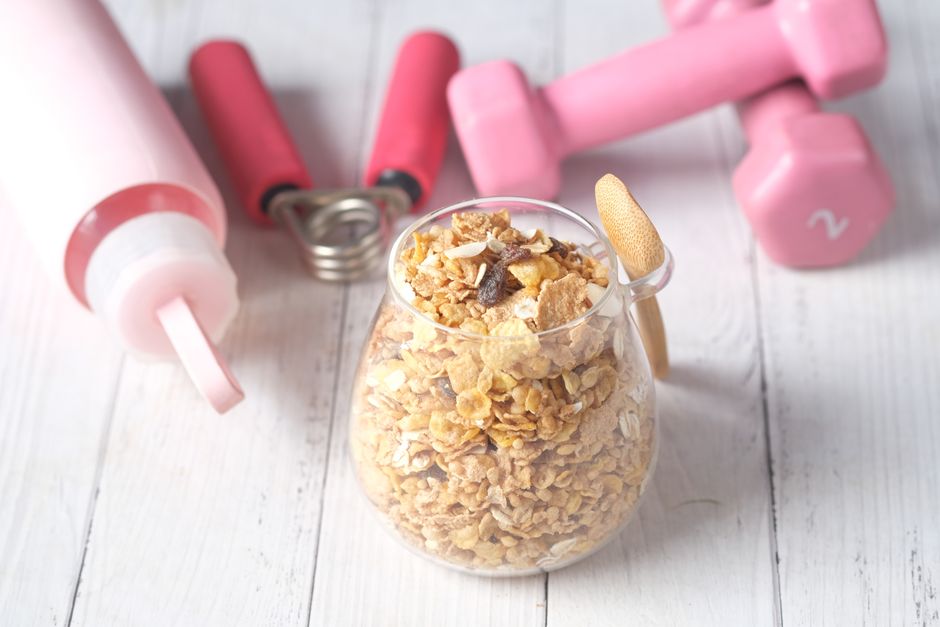
Protein is having a moment. Walk through any grocery store and you will find protein-fortified cereal, protein water, protein chips, and protein cookies. But the foods that actually deliver a meaningful amount of protein — the ones dietitians talk about — are mostly unglamorous and have been on plates for generations. The best foods on a high protein diet are eggs, poultry, fish, lean meat, Greek yogurt, cottage cheese, milk, tofu, tempeh, lentils, beans, and soy. Nuts, seeds, and whole grains add useful amounts too. What matters most is spreading these foods across the day and building meals around them rather than treating protein as an afterthought.
What To Eat On A High Protein Diet Best Foods?
Animal foods are the most concentrated protein sources. Chicken breast, turkey, lean beef, pork, fish, and eggs all deliver a lot of protein per bite. Dairy foods like Greek yogurt and cottage cheese do too, and they bring calcium along with them.
Plant foods can absolutely carry a high protein diet, but they require more planning. Soy foods are the strongest plant options. Tofu, tempeh, and edamame contain all nine essential amino acids in useful amounts. Lentils, chickpeas, black beans, and split peas are close behind, and they add fiber that animal proteins lack.
Here is a comparison of common protein foods using USDA data, measured per 100 grams cooked or ready to eat:
| Food | Protein per 100g | Notes |
|---|---|---|
| Chicken breast, cooked | About 31g | Very lean, low saturated fat |
| Turkey breast, cooked | About 29g | Similar to chicken |
| Canned tuna, drained | About 25g | Convenient, inexpensive |
| Lean beef, cooked | About 26g | Also supplies iron and zinc |
| Eggs | About 13g | Complete protein, about 6g per large egg |
| Greek yogurt, plain | About 10g | Higher than regular yogurt |
| Cottage cheese | About 11g | High in casein, a slow-digesting protein |
| Tofu, firm | About 17g | Complete plant protein |
| Tempeh | About 20g | Fermented soy, complete protein |
| Lentils, cooked | About 9g | High fiber, high folate |
| Black beans, cooked | About 9g | High fiber |
Notice the gap. You would need roughly three times the weight of lentils to match the protein in chicken breast. That does not make lentils a bad choice. It means plant-based eaters need to build meals deliberately rather than assuming a side salad covers it.
How Much Protein Do You Actually Need?
The official Recommended Dietary Allowance for protein is 0.8 grams per kilogram of body weight per day for sedentary adults. For a 165-pound person, that works out to about 60 grams daily. This is the amount needed to prevent deficiency, not necessarily the amount that is optimal.
People who lift weights, are recovering from illness, or are older adults may benefit from more. Some research suggests intakes closer to 1.2 to 1.6 grams per kilogram per day support muscle maintenance in older adults, though the evidence is not uniform across all studies. Anyone with kidney disease should discuss protein intake with their doctor before increasing it, because the kidneys process protein breakdown products.
What most people get wrong is timing, not total. Muscle protein synthesis responds to protein spread across the day. A common pattern is a protein-light breakfast, a modest lunch, and a huge dinner. Research on protein distribution suggests that roughly 25 to 30 grams of protein per meal may better support muscle building than the same total eaten mostly at one sitting. That is a rough figure from the literature, not a universal prescription.
Here is a practical way to picture it. A breakfast of two eggs and Greek yogurt lands near 25 grams. A lunch with a palm-sized piece of chicken lands near 30. A dinner with fish and beans gets you the rest. No powders required.
Why Protein Quality Matters More Than Protein Quantity Alone
Not all protein is digested the same way. Protein is made of amino acids, and your body needs nine of them that it cannot produce itself. A food that supplies all nine in adequate amounts is called a complete protein. Animal foods generally are. Most single plant foods are not, though soy is an exception.
Digestibility matters too. The protein in plants is often wrapped in fiber and plant cell walls, which slows absorption. This is why protein quality scoring systems exist — they account for both amino acid profile and how well the body absorbs the protein.
The old advice to carefully combine rice and beans at every meal has largely been retired. Your body maintains a pool of amino acids, so eating a variety of plant proteins across the day generally covers the gaps. That said, if you eat plant-based and train hard or are older, being deliberate about soy, legumes, and sufficient total intake is sensible.

What Does a High Protein Day Look Like?
Structure beats willpower. Most people who struggle to hit protein targets are not lacking motivation — they are lacking a protein anchor at breakfast and lunch.
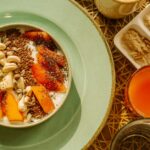
Try building each meal around one clear protein source first, then adding vegetables, fats, and carbohydrates around it. Breakfast might be eggs with cottage cheese. Lunch might be a tuna salad with chickpeas. Dinner might be tempeh stir-fry or grilled salmon with lentils. Snacks can be Greek yogurt, edamame, or a handful of nuts.
Whole food sources generally beat protein supplements for satiety and nutrient density. Protein powder is convenient and can help, but it is a supplement, not a foundation. No clinical guidelines recommend protein powder over food for general health.
Do You Need Protein Powder on a High Protein Diet?
No. Protein powder is optional. It is a convenience product, not a nutritional requirement, and no major health organization recommends it for the general population.
That said, some people find it useful — athletes with very high protein needs, people with small appetites, or those who struggle to eat enough at meals. Whey and soy protein powders are complete proteins. Pea protein is close but slightly lower in methionine, one of the essential amino acids.
What protein powder does not do is replace food. It lacks the fiber, vitamins, minerals, and beneficial compounds found in whole foods. A shake can fill a gap. It cannot fill a plate.
What About Protein and Satiety?
Protein tends to be more filling than fat or carbohydrate. This is one of the better-supported findings in nutrition research. Studies comparing meals matched for calories but varied in protein content generally find higher protein meals increase fullness and reduce later intake, though the size of the effect varies between people and studies.
The mechanism involves several hormones and signals, including ghrelin and peptide YY, which influence hunger and fullness. Protein also takes more energy to digest than fat or carbohydrate, though the practical calorie difference is modest — not the dramatic “burn” some marketing implies.
This satiety effect is why higher protein intakes are often part of weight management plans. It is not magic. It is one lever among several, and total calories still matter most.
Common Mistakes on a High Protein Diet
The most common error is overloading one meal and underloading the rest. A massive steak at dinner does not compensate for toast at breakfast and a salad at lunch.
Another mistake is ignoring fiber. High protein diets that lean heavily on meat and dairy can crowd out fruits, vegetables, legumes, and whole grains. Constipation is a real consequence. Fiber matters for gut health and heart health, and it is easy to lose when protein takes over the plate.
Some people also mistake “high protein” for “low carbohydrate” and assume they are the same thing. They are not. You can eat a high protein diet that includes plenty of carbohydrates — rice, oats, potatoes, fruit — and it can be perfectly balanced.
Finally, watch the saturated fat. Processed meats like bacon, sausage, and deli meats are high in protein but also high in sodium and saturated fat. The World Health Organization has classified processed meat as a Group 1 carcinogen, meaning there is strong evidence linking it to colorectal cancer. That does not mean you can never eat it. It means it should not be your daily protein anchor.
Frequently Asked Questions
What is the best protein food to eat every day?
Eggs are one of the most practical daily choices because they are complete, inexpensive, and versatile. Greek yogurt and chicken breast are equally strong options depending on your preferences.
Can you get enough protein without meat?
Yes, if you plan deliberately around soy foods, legumes, and whole grains. Plant-based eaters generally need to eat more total volume and pay attention to variety across the day.
Is it bad to eat too much protein?
For most healthy adults, higher protein intakes within reasonable ranges are not harmful. People with kidney disease should consult a doctor before increasing protein significantly.
Do I need to eat protein right after a workout?
No, the “anabolic window” is wider than once believed. Eating protein within a few hours before or after training appears sufficient for most people.
