
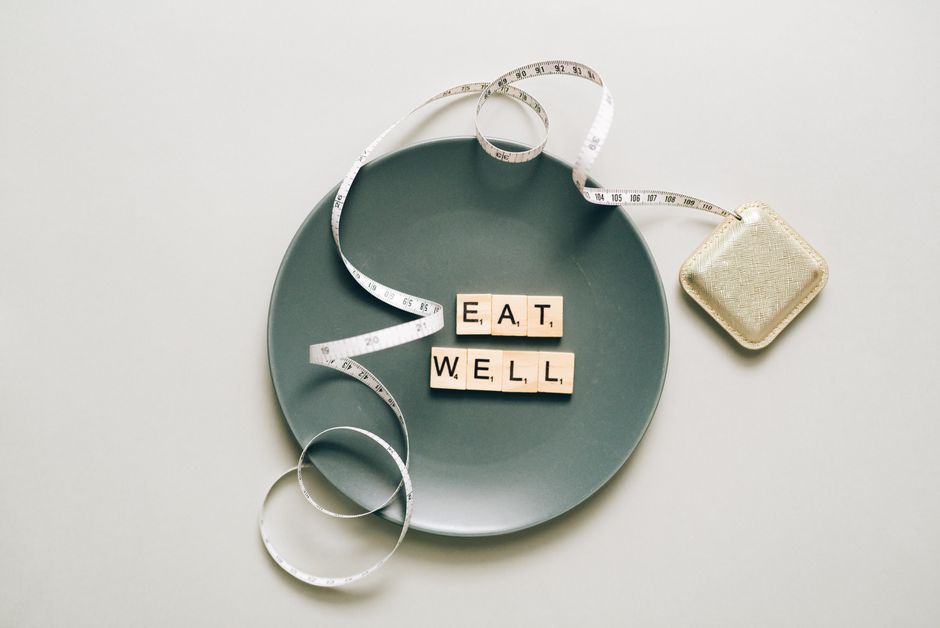
Losing weight does not require eating bland food or starving yourself. The best foods for weight loss are whole, nutrient-dense options that keep you full and satisfied while naturally lowering your calorie intake. Prioritize lean proteins, vegetables, fruits, whole grains, and healthy fats, and you will build a sustainable eating pattern that supports steady weight loss without constant hunger.
Why Food Choice Matters More Than Calories Alone
All calories are not equal in how they affect your body. A 200-calorie piece of chicken breast and a 200-calorie candy bar affect your hormones, hunger, and metabolism in completely different ways. Protein and fiber slow digestion and stabilize blood sugar. Refined sugar causes rapid spikes and crashes that trigger hunger cravings.
The goal is not to count every calorie obsessively. The goal is to choose foods that make it easier to eat less without feeling deprived. Satiety is the key. Foods that keep you full for hours reduce your total intake naturally, which is what creates the calorie deficit needed for weight loss.
Lean Proteins: The Foundation of Any Weight Loss Diet
Protein is the most important nutrient for weight loss because it directly affects appetite and muscle preservation. When you lose weight, you risk losing muscle along with fat. Adequate protein intake helps preserve lean muscle mass, which keeps your metabolic rate higher than it would be otherwise.
Good protein sources include skinless chicken breast, turkey, fish, eggs, Greek yogurt, cottage cheese, and lean cuts of beef or pork. Plant-based options like lentils, chickpeas, tofu, and edamame also provide solid protein with the added benefit of fiber. Aim to include a protein source at every meal. This single habit can reduce between-meal snacking significantly.
Research consistently shows that higher protein diets increase feelings of fullness and reduce late-night eating. A study published in the American Journal of Clinical Nutrition found that increasing protein from 15% to 30% of total calories caused participants to eat fewer calories overall without being told to restrict intake.
Vegetables: Volume Without the Calories
Vegetables are the closest thing to a free food in weight loss. They are high in water and fiber but low in calories. This combination creates volume. You can eat a large plate of roasted vegetables for the same calories as a few bites of a cheeseburger.
The best vegetables for weight loss are non-starchy varieties. Broccoli, spinach, kale, bell peppers, zucchini, cauliflower, asparagus, and green beans should fill half your plate at meals. These foods provide essential vitamins and minerals while helping you feel full long before you exceed your calorie needs.
Starchy vegetables like potatoes, sweet potatoes, and corn are not bad. They simply have more calories per serving. Include them in moderate portions and prioritize the non-starchy ones for bulk. Frozen vegetables are just as nutritious as fresh and often more affordable, making them a practical choice for consistent healthy eating.

Fruits: Sweet Satisfaction With Fiber
Fruit is a smart way to satisfy a sweet tooth without the pitfalls of added sugar. Whole fruits contain fiber, which slows the absorption of natural sugars and prevents the blood sugar spike that comes from juice or candy. Berries, apples, oranges, and pears are particularly high in fiber and water content.
Berries stand out because they pack significant fiber into a relatively low-calorie package. A cup of strawberries has about 50 calories and 3 grams of fiber. Whole fruit is always better than juice. Juicing removes the fiber and concentrates the sugar, making it far less satiating for the same or more calories.
One caution: dried fruit is calorie-dense because the water is removed. A handful of raisins has the same calories as a full cup of grapes. Choose fresh or frozen whole fruit most of the time.
Whole Grains: Fiber and Sustained Energy
Whole grains provide complex carbohydrates that digest slowly and keep blood sugar stable. Unlike refined white bread and pasta, whole grains retain their bran and germ, which contain fiber, B vitamins, and minerals. This makes them more filling and better for weight management.
Oats, quinoa, brown rice, barley, and whole wheat products are excellent choices. Oatmeal is particularly effective for weight loss because its beta-glucan fiber forms a gel in the digestive tract that delays emptying of the stomach. This keeps you full for hours after breakfast.
The key is portion control. Whole grains are healthy but not calorie-free. A serving of cooked quinoa is about one cup. Half your plate should be vegetables, a quarter lean protein, and a quarter whole grains. This simple plate method works without requiring complex calculations.
Healthy Fats: Required for Satiety and Nutrient Absorption
Dietary fat is not the enemy. Healthy fats slow digestion, support hormone function, and help your body absorb fat-soluble vitamins A, D, E, and K. The problem is that fats are calorie-dense, providing 9 calories per gram compared to 4 for protein and carbohydrates.
Avocados, nuts, seeds, olive oil, and fatty fish like salmon are excellent sources of unsaturated fats. These fats are associated with reduced inflammation and better heart health. However, portion size matters greatly. A quarter of an avocado is a serving. A small handful of almonds is about 23 nuts.
Nuts deserve special mention because they are both nutrient-dense and satisfying. Some research suggests that the body does not absorb all the calories in nuts, making them slightly less calorie-dense than their label suggests. Still, eating nuts straight from the bag can easily add hundreds of calories. Portion them out in advance.
Legumes: The Overlooked Weight Loss Powerhouse
Beans, lentils, and chickpeas combine protein and fiber in a way that few other foods can match. A cup of cooked lentils provides about 18 grams of protein and 15 grams of fiber for roughly 230 calories. This combination makes legumes incredibly satiating.
Research published in the journal Obesity found that people who ate a legume-rich diet lost more weight than those on a comparable diet without legumes. The fiber and protein working together reduce hunger hormones and increase fullness hormones. Legumes also feed beneficial gut bacteria, which may play a role in weight regulation.
Legumes are inexpensive and versatile. Add them to soups, salads, or grain bowls. Use mashed beans as a base for veggie burgers. Replace half the meat in recipes like chili or tacos with beans to cut calories while maintaining volume and satisfaction.
What To Eat On A Diet Best Foods For Weight Loss: The Practical List
If you want a simple checklist to guide your grocery shopping, focus on these categories:
- Lean proteins: chicken breast, turkey, fish, eggs, Greek yogurt, tofu
- Non-starchy vegetables: leafy greens, broccoli, peppers, zucchini, cauliflower
- Whole fruits: berries, apples, oranges, pears
- Whole grains: oats, quinoa, brown rice, barley
- Legumes: lentils, chickpeas, black beans, kidney beans
- Healthy fats: avocados, nuts, seeds, olive oil
- Beverages: water, unsweetened tea, black coffee
This list is not restrictive. It is a template you can adapt to your preferences and cultural food traditions. The foods on this list share one characteristic: they are minimally processed and high in the nutrients your body needs.
Foods That Undermine Weight Loss
Understanding what to eat is only half the picture. Certain foods actively work against weight loss because they are engineered to be hyper-palatable and easy to overeat. Sugary drinks are the worst offender because liquid calories do not trigger the same fullness signals as solid food.
Ultra-processed foods like packaged snacks, fast food, and refined baked goods combine high levels of sugar, salt, and fat in ways that bypass your natural satiety mechanisms. These foods are not inherently addictive in a clinical sense, but they are designed to be consumed in large quantities without triggering fullness.
You do not need to eliminate these foods permanently. The evidence supports a flexible approach where these items make up a small portion of your overall intake. The 80/20 rule, where 80% of your calories come from whole foods and 20% from flexible choices, is a realistic and sustainable strategy for most people.
Practical Meal Structure: What a Weight Loss Plate Looks Like
Consistency matters more than perfection. Building each meal around the same structure simplifies decision-making and reduces the mental load of dieting. Start with a protein source, add a large portion of non-starchy vegetables, include a moderate portion of whole grains or legumes, and finish with a small amount of healthy fat.
Breakfast might be Greek yogurt with berries and a sprinkle of nuts. Lunch could be a large salad with grilled chicken, chickpeas, and olive oil dressing. Dinner might be baked salmon, roasted broccoli, and a small portion of quinoa. Snacks can be an apple with peanut butter or a handful of almonds.
This structure works because it does not require counting calories or weighing food. It relies on proportions. Vegetables dominate, protein is always present, and calorie-dense foods are portioned appropriately. Over time, this pattern becomes automatic.
Frequently Asked Questions
How much protein should I eat per day for weight loss?
Most research suggests aiming for roughly 0.7 to 1 gram of protein per pound of body weight when actively trying to lose weight. This range helps preserve muscle and maximize fullness.
Can I eat carbs and still lose weight?
Yes. Whole grains, fruits, and vegetables provide carbohydrates that support weight loss when eaten in appropriate portions. The problem is refined carbs like white bread and sugary snacks, not carbohydrates in general.
What is the single best food for weight loss?
No single food causes weight loss, but eggs are among the most studied for their ability to increase fullness and reduce calorie intake later in the day. A breakfast containing eggs has been shown in some studies to reduce calorie consumption at the next meal.
Do I need to cut out all snacks to lose weight?
No. Strategic snacking on protein and fiber-rich foods like nuts, Greek yogurt, or fruit can prevent extreme hunger that leads to overeating at meals. The key is choosing snacks that contain protein or fiber rather than refined carbohydrates.
