
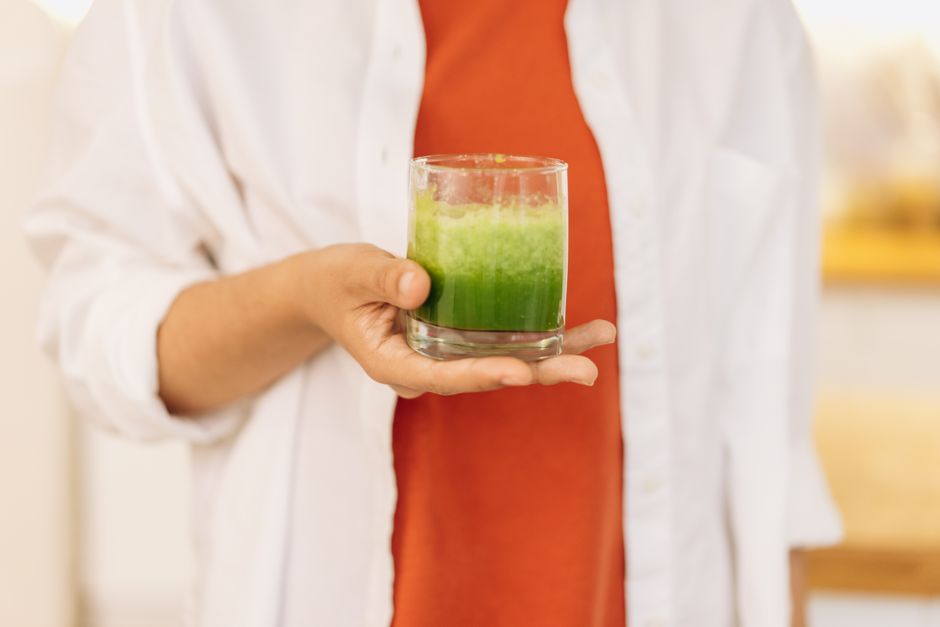
A detox week is popular for a reset, but the evidence behind extreme cleanses is thin. For most people, a safe and effective detox week means eating whole, unprocessed foods and skipping sugar, alcohol, and heavily processed items. Focus on vegetables, fruits, lean proteins, whole grains, legumes, nuts, seeds, and plenty of water. Avoid added sugars, refined grains, fried foods, alcohol, and unnecessary supplements. Your body already has built-in detox systems — the liver, kidneys, skin, and lungs — so the goal is to support them, not replace them.
What To Eat On A Detox Week And What To Skip?
A detox week is not about starvation or pricey supplements. It is about giving your digestive system a break from foods that are harder to process. Food choices should be simple: whole foods in their natural state. Eat plenty of non‑starchy vegetables (leafy greens, broccoli, bell peppers), fruits (berries, apples, citrus), lean proteins (chicken, fish, eggs, tofu), whole grains (quinoa, brown rice, oats), legumes (lentils, chickpeas, beans), and healthy fats (avocado, olive oil, nuts). Drink water, herbal teas, and nothing with added sugar. Skip all highly processed foods, sugary drinks, alcohol, white flour products, fried foods, and artificial sweeteners. If a food has a long ingredient list, leave it out. That is the core of a practical, evidence‑informed detox week.
Why Consider A Detox Week?
People try a detox week for many reasons: to jump‑start healthier eating, reduce bloating, improve energy, or break unhealthy food habits. Some small studies suggest that short‑term dietary changes can lower markers of inflammation and improve digestion. However, no research shows that a one‑week diet permanently removes “toxins” from the body. The real benefit comes from replacing nutrient‑poor foods with nutrient‑dense ones. If you have been eating a lot of processed food, alcohol, or sugar, a week of clean eating can help you feel better — but that improvement is from better nutrition, not from “detoxing” in a medical sense.
Be honest: the term “detox” is heavily marketed. Many commercial detox programs are expensive, restrictive, and not supported by strong evidence. A simple week of whole foods, without the hype, is likely safer and just as effective for most people.
How Does The Body Naturally Detoxify?
Your body does not need a special diet to remove harmful substances. The liver processes chemicals and drugs, the kidneys filter waste from blood, the lungs expel carbon dioxide, the skin sweats out water and salts, and the intestines push out solid waste. These systems work constantly, regardless of what you eat. A healthy diet supports them, but no food or supplement can speed up detoxification beyond normal rates.
For example, the liver uses two main phases to break down toxins. Phase I enzymes modify toxins, and Phase II enzymes attach other molecules to make them water‑soluble for excretion. Some nutrients — like B vitamins, magnesium, and amino acids — are needed for these reactions. A week of eating nutrient‑dense foods provides these building blocks, which is beneficial. But there is no reliable evidence that “detox” foods or herbs make these phases work faster in a clinically meaningful way.





Foods To Include For A Healthy Detox Week
Vegetables and fruits. Aim for a variety of colors. Cruciferous vegetables (broccoli, kale, Brussels sprouts) contain compounds that may support Phase II liver enzymes. Berries are rich in antioxidants. Leafy greens provide fiber and vitamins. These are low‑calorie, high‑nutrient choices that replace more processed options.
Whole grains and legumes. Oats, quinoa, brown rice, lentils, and beans provide fiber, which helps regular bowel movements and can reduce the absorption of some unwanted substances. Fiber also feeds beneficial gut bacteria.
Lean proteins. Chicken, fish, eggs, tofu, and tempeh supply amino acids needed for liver enzyme production. Fatty fish like salmon also provide omega‑3s that may lower inflammation.
Healthy fats. Avocado, olive oil, nuts, and seeds support cell function and help absorb fat‑soluble vitamins.
Water and herbal teas. Staying hydrated helps kidneys flush waste. Herbal teas like ginger, peppermint, or dandelion root are fine, but no single tea has proven “detox” benefits beyond hydration.
No single food is essential. The pattern matters more than any individual item.
Foods And Drinks To Skip During A Detox Week
Added sugars. Sugar‑sweetened sodas, juices, candies, pastries, and most flavored yogurts. High sugar intake can spike insulin, promote inflammation, and contribute to fatty liver. Leaving them out for a week can reduce cravings and improve how you feel.
Refined grains. White bread, white rice, pasta made from refined flour. These are low in fiber and digest quickly, offering little nutritional benefit. Replace with whole grains.
Alcohol. Alcohol is directly processed by the liver and puts stress on its detoxification pathways. A week without alcohol gives the liver time to catch up on other tasks. This is one of the few detox steps with clear physiological basis.
Fried foods and highly processed snacks. Chips, fast food, frozen dinners. They are high in unhealthy fats, salt, and additives. Avoiding them reduces total calorie load and may decrease bloating.
Artificial sweeteners. Some people report digestive upset from sugar alcohols (sorbitol, xylitol) or artificial sweeteners. They are not necessary for a healthy diet. Skip them.
Excess salt. Processed meats, canned soups, and salty snacks can cause water retention. Cutting back helps with bloating.
There is no magic list. The principle is simple: eat foods your great‑grandmother would recognize. Skip anything that was made in a factory.
Sample One‑Day Menu For A Detox Week
- Breakfast: A bowl of oatmeal with berries and a tablespoon of ground flaxseed. A glass of water.
- Snack: An apple and a small handful of almonds.
- Lunch: Large salad with mixed greens, shredded carrots, chickpeas, cucumber, and a vinaigrette of olive oil and lemon juice. A side of quinoa.
- Snack: Carrot sticks with hummus.
- Dinner: Grilled salmon, steamed broccoli, and a baked sweet potato.
- Drink throughout day: Water, unsweetened herbal tea.
This menu provides balanced nutrition, fiber, protein, and healthy fats. It avoids all the items on the skip list. There is no need for any special “detox” products or supplements.
Common Detox Myths Debunked
Myth 1: Juice cleanses remove toxins. Juicing strips away fiber and concentrates sugar. The body does not need a liquid diet to detoxify. Solid food is fine.
Myth 2: Fasting or laxatives clean out your colon. The colon self‑cleanses. Severe restriction or laxatives can cause electrolyte imbalances and do not improve health.
Myth 3: Certain foods like lemon water or cayenne pepper flush toxins. These foods are healthful in a normal diet, but no single ingredient has been shown to enhance detoxification enough to matter. Lemon water provides vitamin C and hydration — that’s it.
Myth 4: You need expensive supplements or “detox” kits. No clinical evidence supports commercial detox kits. The key is whole foods, not pills. If you want to support your body, eat vegetables and drink water.
Frequently Asked Questions
Can you lose weight during a detox week?
Most people lose some water weight and a small amount of fat, but it is not a long‑term solution. Any weight lost quickly is often regained when normal eating resumes.
Is a detox week safe for everyone?
Many adults can safely do a week of whole foods, but people with medical conditions, pregnant or breastfeeding women, and those with a history of eating disorders should talk to a doctor first.
How often should you do a detox week?
There is no established recommendation. If it helps you reset habits, once a month is reasonable. But focusing on a consistent healthy diet every day is more important.
Do you need to take any supplements during a detox week?
No. A varied diet of whole foods provides all the vitamins and minerals you need. Supplements are not required and can be harmful in high doses.
