
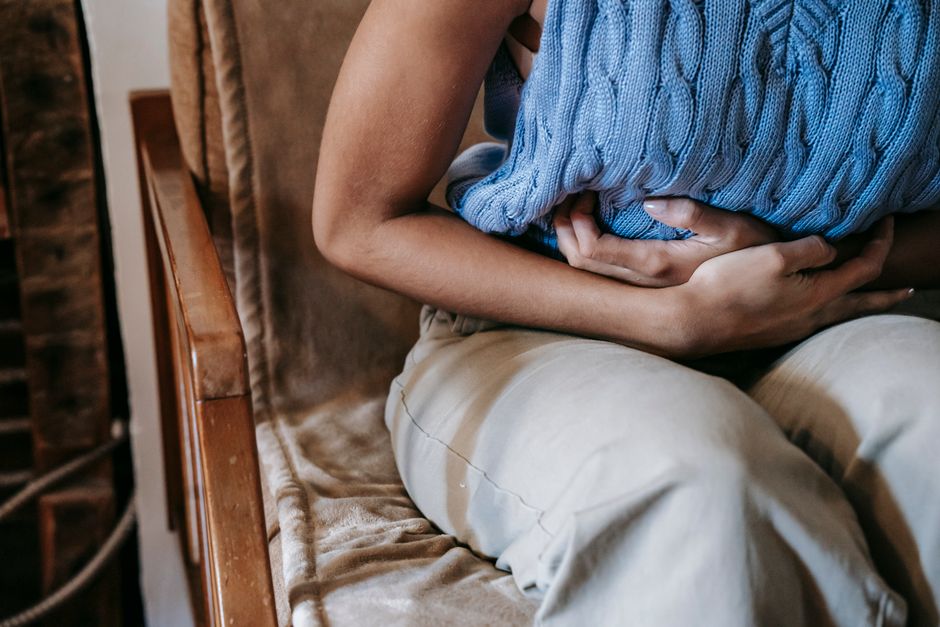
When your stomach is turning and food feels like the enemy, the goal is not to eat “healthy” in the usual sense. The goal is to rest your gut, replace fluids you are losing, and slowly reintroduce bland, low-fiber foods as your body tolerates them. Start with clear liquids and electrolyte drinks, then add simple starches like crackers, plain rice, and toast as nausea fades.
Stomach flu is not actually the flu. The real name is viral gastroenteritis, and it is an infection of the stomach and intestines. The illness usually causes vomiting, watery diarrhea, stomach cramps, and sometimes a low fever. Most healthy adults get better on their own within a few days, and food choices during that window can make the difference between feeling slightly better and feeling much worse.
What To Eat If You Have Stomach Flu?
The short answer is bland, low-fiber, easy-to-digest foods eaten in small amounts. The longer answer depends on which phase of the illness you are in.
In the first hours, when vomiting is active, many people cannot keep anything down. That is normal. The priority is not food. It is fluid. Take small sips of water, clear broth, or an oral rehydration solution every few minutes rather than drinking a large glass at once. A big gulp of anything is more likely to come right back up.
Once you can keep fluids down for a few hours, start adding food slowly. The classic list still holds up:
- Plain crackers or saltines
- White rice
- Plain toast or bread without butter or heavy spreads
- Bananas
- Applesauce
- Plain pasta or noodles
- Boiled potatoes without skin
- Plain oatmeal
- Clear broths and soups
This group is sometimes called the BRAT diet (bananas, rice, applesauce, toast). Doctors once recommended it as the standard treatment for diarrhea in children. Today the guidance has shifted. The American Academy of Pediatrics and other medical groups now advise returning to a normal, age-appropriate diet fairly quickly rather than restricting to BRAT for days, because a longer restriction can leave you short on protein, fat, and key nutrients. BRAT foods are still useful as a starting point when you feel awful, but they are not meant to be your whole diet for a week.
Eat small portions. A few crackers every hour is often better tolerated than a full meal. If a food makes nausea worse, stop and try again later. Your gut will tell you what it can handle.
What Should You Drink When You Have Stomach Flu?
Fluids matter more than food during the worst of it. Vomiting and diarrhea pull water and electrolytes out of your body fast. Electrolytes are minerals like sodium, potassium, and chloride that your cells need to function. Losing too many of them is what makes dehydration dangerous.
Plain water is good, but it does not replace electrolytes. Oral rehydration solutions (ORS) are designed for exactly this situation. They contain a precise balance of sodium, glucose, potassium, and water that helps your intestines absorb fluid more efficiently. You can buy them at most pharmacies without a prescription. Sports drinks are not the same thing — they have more sugar and less sodium than an ORS, and the extra sugar can sometimes pull more water into the gut and worsen diarrhea.
Other options that work:
- Clear broths, including chicken or vegetable broth
- Weak, unsweetened tea
- Plain water between electrolyte drinks
- Ice chips if drinking feels like too much
Avoid alcohol and coffee while you are sick. Both can irritate the stomach and make dehydration worse. Very sugary drinks, including fruit juice and most soda, can also make diarrhea worse in some people because of how the sugar is processed in the gut.
One small but useful tip: sip, do not gulp. Even a small amount of fluid every five to ten minutes adds up over an hour and is far less likely to trigger vomiting than a full glass.
What Foods Should You Avoid With Stomach Flu?
Certain foods are harder on an inflamed gut. Avoiding them for a few days can reduce symptoms and speed recovery.
- Dairy — milk, cheese, and ice cream can worsen diarrhea, especially if you are temporarily lactose intolerant after the infection
- High-fat and fried foods — slow to digest and can trigger nausea
- Spicy foods — irritate the stomach lining
- High-fiber foods — raw vegetables, beans, and whole grains can be hard to process when your gut is inflamed
- Very sweet foods and drinks — can pull water into the intestines and worsen diarrhea
- Alcohol and caffeine — both irritate the stomach and increase fluid loss
Some people find that even small amounts of these foods set them back. Others tolerate them fine after the first day. There is no single rule that fits everyone, but starting with the bland list and adding foods back one at a time is a reasonable approach.



How Long Does Stomach Flu Last and When Can You Eat Normally?
Most cases of viral gastroenteritis in healthy adults improve within one to three days. Some people feel off for up to a week. Children and older adults may take longer.
You can start returning to normal food when you feel hungry and can keep small amounts down without nausea. There is no need to wait until you feel perfect. In fact, eating a little more each day — including some protein like eggs, plain chicken, or soft tofu — helps your gut lining recover. Protein supports the repair of the cells that line your intestines.
Go slowly. Add one new food at a time and see how you feel over the next few hours. If it stays down and does not cause cramps, keep going. If it does not, back off for a day and try again.
When Should You See a Doctor?
Most people recover at home without medical care. But some signs mean you should get help right away.
Watch for signs of dehydration:
- Very dark urine or urinating much less than usual
- Dry mouth, cracked lips, or sunken eyes
- Dizziness when standing up
- Confusion or extreme tiredness
- No tears when crying (in children)
Also seek care if you have:
- Blood in your vomit or stool
- A high fever (above 101°F or 38.3°C) that lasts more than a day or two
- Severe stomach pain that does not come and go
- Vomiting that will not stop for more than 24 hours
- Signs of dehydration that do not improve with fluids
Young children, older adults, and people with weakened immune systems are at higher risk for serious dehydration. If you are caring for someone in one of these groups, check with a doctor early rather than waiting.
Does the BRAT Diet Still Work?
BRAT foods are still useful. They are gentle, low-fiber, and easy to keep down. What has changed is the idea that you should stay on them for many days.
Modern guidance from pediatric and gastroenterology groups is to reintroduce a normal diet as soon as you can tolerate it. Staying on only bananas, rice, applesauce, and toast for too long can leave you short on protein, fat, and calories at a time when your body needs them to heal. Think of BRAT as a starting point, not a full plan.
If you feel better after a day of bland food, try adding a scrambled egg, some plain yogurt (if dairy does not bother you), or a small piece of soft chicken. Your gut will let you know if it is ready.
Can Probiotics Help With Stomach Flu?
The evidence here is mixed. Some studies suggest certain probiotic strains may shorten the duration of diarrhea caused by viral infections, especially in children. Other studies, including some larger and better-controlled ones, have found little or no benefit.
If you want to try a probiotic, talk to your doctor or pharmacist about which strain and dose might be appropriate. Do not assume that all probiotic products are the same — they vary widely in what they contain and how they are made. Probiotics are not a replacement for fluids and electrolytes, which remain the most important part of treatment.
Frequently Asked Questions
What is the best food to eat first when you have stomach flu?
Plain crackers or a small amount of white rice are usually the easiest first foods to tolerate. Start with just a few bites and wait to see how your stomach responds.
Should you force yourself to eat with stomach flu?
No. If you are actively vomiting, focus on fluids first and let your appetite return naturally. Once you can keep fluids down for a few hours, start with small, bland meals.
How long should you stay on a bland diet after stomach flu?
Most people can start adding normal foods back within one to two days after symptoms improve. There is no benefit to staying on a restricted diet longer than that unless your doctor advises it.
Can you drink milk with stomach flu?
It is usually best to avoid milk and other dairy during the worst of it, because the infection can temporarily make it harder to digest lactose. If dairy does not bother you once you are feeling better, you can add it back.
