

If you have fatty liver disease, the single most effective dietary change is to cut back on added sugars and refined carbohydrates while building meals around vegetables, lean proteins, and unsaturated fats. There is no food that reverses fatty liver on its own. But the overall pattern of what you eat — and how much — has more influence on liver fat than most people realize.
Fatty liver disease means fat has accumulated in liver cells beyond what is considered normal. It affects roughly one in four adults worldwide, according to estimates published in Hepatology. The two main types are alcohol-related fatty liver disease and non-alcoholic fatty liver disease (now increasingly called metabolic dysfunction-associated steatotic liver disease, or MASLD). Diet plays a central role in both.
What To Eat If You Have A Fatty Liver?
No single food treats fatty liver. What matters is the overall eating pattern — one that lowers blood sugar spikes, reduces inflammation, and helps the liver stop storing excess fat.
The liver stores fat when it takes in more energy than the body burns, especially when that energy comes from sugar and refined starch. Fructose — a type of sugar found in sweetened drinks and processed foods — is metabolized almost entirely by the liver. When fructose arrives in large amounts, the liver converts much of it into fat. This is one reason sugary beverages are strongly linked to fatty liver in observational studies.
An eating pattern that works against this process includes:
- Non-starchy vegetables at most meals — leafy greens, broccoli, peppers, tomatoes, zucchini
- Lean protein — fish, skinless poultry, eggs, tofu, legumes
- Unsaturated fats — olive oil, avocados, nuts, seeds
- Whole fruits in moderate amounts — berries, apples, oranges
- Whole grains — oats, brown rice, quinoa, barley
- Fatty fish high in omega-3s — salmon, sardines, mackerel
This pattern resembles a Mediterranean-style diet. Research published in the Journal of Hepatology and other peer-reviewed journals has found that Mediterranean-style eating is associated with reduced liver fat and improved liver enzymes in people with non-alcoholic fatty liver disease. That said, most of this research is observational or from relatively small trials. The evidence points in a consistent direction but is not as strong as the evidence for, say, weight loss.
Why Does Sugar Matter More Than Fat For Your Liver?
Sugar — specifically fructose — drives liver fat accumulation more directly than dietary fat does. This surprises many people who assume that eating fat causes fat in the liver.
When you eat fat, it is digested and absorbed through the intestines. It does not go straight to the liver in concentrated form. Fructose is different. It bypasses the normal regulatory step that controls how fast sugar is processed. The liver takes it up in large amounts and converts the excess into triglycerides — the storage form of fat.
This is not a reason to avoid fruit. Whole fruit contains fiber and water that slow fructose absorption, and the amounts are small. A medium apple has far less fructose than a 12-ounce soda. The problem is concentrated sources: soda, sweet tea, fruit juice, sports drinks, candy, baked goods made with high-fructose corn syrup or table sugar.
Some research also suggests that artificial sweeteners may affect gut bacteria and glucose metabolism, though the evidence is not yet strong enough to make firm recommendations. Water, unsweetened tea, and black coffee are safe defaults.
Does Weight Loss Help Fatty Liver?
Yes. Weight loss is the most consistently supported intervention for reducing liver fat. This is one area where the evidence is strong.
Clinical guidelines from the American Association for the Study of Liver Diseases note that losing 3% to 5% of body weight can reduce liver fat, and losing 7% to 10% can improve liver inflammation and even reverse some liver damage in non-alcoholic steatohepatitis (NASH). These figures come from established clinical guidance and are widely cited in hepatology.
The method of weight loss matters less than the result. A Mediterranean-style diet, a low-carbohydrate diet, and a standard calorie-restricted diet have all been shown to reduce liver fat when they produce meaningful weight loss. The best diet is the one a person can sustain.
Rapid weight loss — losing more than about 1 to 2 pounds per week through extreme restriction — may worsen liver inflammation in some cases. Gradual, steady loss is safer.




What Foods Should You Limit Or Avoid?
The foods most consistently linked to fatty liver progression are added sugars, refined grains, and excess alcohol. These are not the only factors, but they carry the strongest associations in the research.
Foods and drinks to limit:
- Sugary beverages — soda, sweet tea, fruit punch, energy drinks
- Fruit juice, even 100% juice, in large amounts
- White bread, white pasta, white rice in large portions
- Processed snacks — chips, crackers, cookies, pastries
- Red and processed meats in high amounts
- Alcohol — for alcohol-related fatty liver, abstinence is the standard recommendation
For non-alcoholic fatty liver disease, the role of light-to-moderate alcohol is debated. Some studies suggest even moderate drinking may worsen liver outcomes; others show mixed results. Given the uncertainty, many clinicians advise limiting alcohol or avoiding it.
Red and processed meats are associated with higher risk of fatty liver in observational studies, but the evidence is not as strong as it is for sugar-sweetened beverages. Reducing them is reasonable, but they are not the primary driver.
Is Coffee Good Or Bad For Your Liver?
Coffee appears to be protective for the liver. This is one of the more consistent findings in liver research, though it is still an association rather than proof of cause and effect.
Multiple observational studies have found that regular coffee consumption is linked to lower risk of liver fibrosis and slower progression of liver disease, including in people with fatty liver. Some research suggests decaf may offer similar benefits, though the evidence is stronger for regular coffee.
This does not mean coffee is a treatment. It means that for most people with fatty liver, coffee is not something to avoid. If you already drink it, there is no clear reason to stop. If you do not, there is no strong evidence that starting will reverse liver fat.
What matters more is what goes into the coffee. A plain black coffee or one with a splash of milk is very different from a caramel frappuccino with 50 grams of sugar.
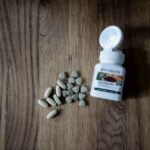
Do Supplements Or Specific Foods Reverse Fatty Liver?
No supplement has been proven to reverse fatty liver disease. This is one of the most important things to understand, because the supplement market for liver health is large and largely unregulated.
Some compounds have shown promise in small studies — vitamin E, omega-3 fatty acids, and a few others. But results have been mixed, and no supplement has been established as a standard treatment. Vitamin E, for example, has been studied in non-alcoholic steatohepatitis with some positive results, but also with concerns about long-term safety at high doses. It should not be taken as a self-prescribed liver treatment.
Milk thistle, dandelion root, turmeric, and artichoke extract are commonly marketed for liver health. No large, well-designed human trials have confirmed that any of these reverse fatty liver or improve clinical outcomes. They are not necessarily harmful, but they are not treatments.
The most reliable approach remains diet quality, weight management, physical activity, and working with a doctor to monitor liver health. For some people, medications may be appropriate — several drugs are now approved or in late-stage trials for MASLD, and this is a rapidly changing area. A hepatologist or gastroenterologist can advise on whether medication is an option.
How Long Does It Take To Improve Fatty Liver With Diet?
Liver fat can begin to decrease within weeks of sustained dietary change. Improvements in liver enzymes and inflammation typically take longer — often several months.
Some studies show measurable reductions in liver fat after 4 to 12 weeks of a calorie-restricted or low-carbohydrate diet. Improvements in liver fibrosis, if present, take much longer and may not fully reverse. This is why early intervention matters.
Fatty liver disease is often silent. Many people have no symptoms until it progresses to more advanced stages. If you have been diagnosed, regular monitoring through blood tests and imaging is important. Diet is a powerful tool, but it works best as part of a broader plan that includes physical activity, sleep, and medical follow-up.
Frequently Asked Questions
Can fatty liver be reversed with diet alone?
Yes, in many cases — especially in early stages. Weight loss of 7% to 10% of body weight through diet and exercise has been shown to reduce liver fat and improve inflammation, though advanced fibrosis may not fully reverse.
Is fruit bad for fatty liver?
No. Whole fruit in normal amounts is fine and generally recommended. The concern is concentrated fructose from sugary drinks and juice, not fruit itself.
What is the best diet for fatty liver disease?
A Mediterranean-style eating pattern is the most studied and consistently associated with reduced liver fat. Low-carbohydrate and standard calorie-restricted diets also work when they produce weight loss.
Can I drink coffee if I have fatty liver?
Yes. Regular coffee consumption is linked to lower risk of liver fibrosis in multiple observational studies. Just avoid adding large amounts of sugar or syrup.
