
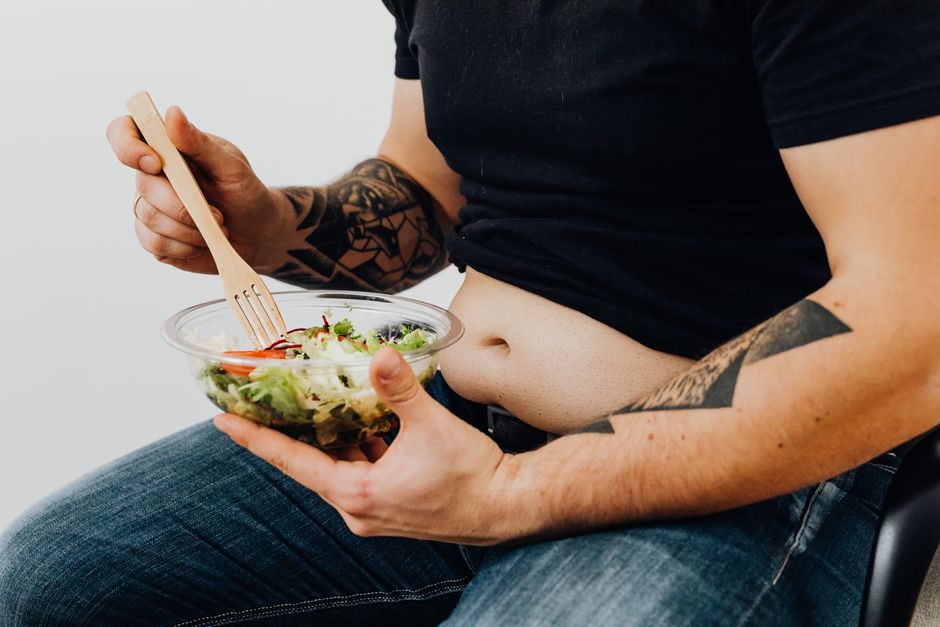
No single food burns belly fat. The research points to a pattern of eating instead: more fiber and protein, fewer refined carbohydrates and added sugars, and a calorie intake that supports gradual weight loss. Where you store fat is influenced heavily by genetics and hormones, but visceral fat — the deep fat around your organs — does respond to diet quality and sustained weight loss.
Belly fat is not just a cosmetic concern. Visceral fat sits behind the abdominal muscle wall and is metabolically active, meaning it releases hormones and inflammatory signals that affect the whole body. Subcutaneous fat, the kind you can pinch just under the skin, is different and generally less harmful. This distinction matters because it explains why waist size can matter more than body weight alone.
Why Does Belly Fat Form in the First Place?
Belly fat accumulates when the body stores more energy than it uses over time. That is the simple version. The fuller picture involves hormones, genetics, age, sleep, and stress.
Insulin plays a central role. When you eat, insulin helps move glucose into cells. Chronically high insulin levels, often driven by frequent refined carbohydrate intake and ongoing calorie surplus, promote fat storage. Cortisol, the stress hormone, also influences where fat is deposited. Higher sustained cortisol is associated with more abdominal fat storage.
Genetics matter more than most people want to hear. Two people can eat similarly and carry fat differently. Age matters too. After menopause, women often notice a shift from hip and thigh fat toward abdominal fat, largely due to declining estrogen. Men tend to accumulate visceral fat earlier in life than women.
Sleep is an underappreciated factor. Short sleep duration is associated with higher levels of ghrelin, the hunger hormone, and lower levels of leptin, the satiety hormone. People who consistently sleep poorly tend to eat more and crave higher-calorie foods.
What Foods Actually Help Reduce Belly Fat?
Foods that support belly fat reduction share common traits: they are high in fiber or protein, low in added sugar, and slow to digest. These qualities help control appetite and blood sugar, which supports a calorie deficit without constant hunger.
Here is what the evidence supports:
- Vegetables and leafy greens. High in fiber and water, low in calories. Fiber slows digestion and increases fullness.
- Lean protein. Chicken, fish, eggs, beans, lentils, and tofu. Protein has a higher thermic effect than fat or carbohydrate, meaning your body burns more calories digesting it. It also preserves muscle during weight loss.
- Whole grains. Oats, barley, quinoa, and brown rice. These have a lower glycemic impact than refined grains and provide fermentable fiber that feeds gut bacteria.
- Legumes. Beans, chickpeas, and lentils are among the most studied foods for appetite control. They combine protein and fiber in one package.
- Nuts and seeds. calorie-dense, so portions matter, but they are associated with lower abdominal fat in observational studies.
- Fatty fish. Salmon, sardines, and mackerel provide omega-3 fatty acids. Some research suggests omega-3s may reduce inflammation linked to visceral fat, though results are not uniform.
- Greek yogurt and fermented dairy. Some studies link fermented dairy consumption to lower body fat, though the mechanism is not fully established.
These foods do not burn fat directly. They help you eat less without feeling deprived, which is what actually drives fat loss.
What Should You Limit or Avoid?
The foods most consistently linked to abdominal fat gain are those high in added sugar and refined carbohydrates. Sugar-sweetened beverages are the clearest example. Liquid calories do not trigger the same fullness signals as solid food, so they add to total intake without reducing hunger.
Refined grains — white bread, white pasta, most packaged snacks — digest quickly and spike blood sugar. Frequent spikes drive insulin release, which promotes fat storage when calories are in surplus.
Alcohol deserves specific mention. Beer belly is not just a joke. Alcohol adds calories, disrupts sleep quality, and is associated with increased waist circumference in multiple studies. Heavy drinking is particularly linked to abdominal fat accumulation.
Ultra-processed foods are another category of concern. They tend to be calorie-dense, low in fiber, and engineered to be highly palatable. A controlled feeding trial published in Cell Metabolism found that people ate significantly more calories when given an ultra-processed diet compared to an unprocessed one, even when the meals were matched for calories, sugar, fat, and fiber. That is a notable finding because it suggests the processing itself affects intake.
That does not mean you need to eat perfectly. It means the overall pattern matters more than any single meal.
Does the Type of Diet Matter More Than Specific Foods?
No single diet has proven superior for belly fat loss in head-to-head trials. What matters most is whether you can sustain it and whether it produces a calorie deficit.
That said, some patterns have more supporting evidence than others.
The Mediterranean diet — rich in vegetables, legumes, fish, olive oil, and whole grains — has been studied extensively for metabolic health. Some research links it to reduced abdominal fat, though weight loss itself appears to be the primary driver.
Low-carbohydrate diets may produce slightly faster early weight loss, partly due to water loss. Over 12 months, most studies show similar total weight loss between low-carb and low-fat diets when calories and adherence are comparable.
Intermittent fasting has gained attention. Some studies suggest it can reduce visceral fat, but the evidence is not stronger than for continuous calorie restriction. The main advantage may be that some people find it easier to stick with.
Higher protein intake — roughly 25 to 30 grams per meal — appears to help preserve muscle and reduce appetite during weight loss. This is a general range supported by satiety research, not a fixed prescription.
Can You Target Belly Fat With Food Alone?
No. Spot reduction does not work. You cannot eat a specific food or do a specific exercise to burn fat only from your belly. Fat loss happens across the body, and where you lose it first is largely determined by genetics and hormones.
That said, visceral fat tends to respond well to overall weight loss. When people lose weight through diet and exercise, visceral fat is often reduced proportionally more than subcutaneous fat. This is one reason waist circumference can improve even when the scale moves slowly.
Exercise matters too. Aerobic exercise and resistance training both support fat loss, and resistance training helps preserve lean mass. Some research suggests vigorous exercise may reduce visceral fat even without significant weight loss, though the evidence is not definitive.
Sleep and stress management are not optional extras. Chronic stress raises cortisol. Poor sleep raises hunger hormones. Both make it harder to maintain a calorie deficit. Addressing these is part of the picture, not a side note.
How Long Does It Take to See Results?
Meaningful changes in waist circumference typically take weeks to months, not days. A reasonable and sustainable rate of weight loss is about 1 to 2 pounds per week, though this varies by starting weight and individual factors.
Visceral fat may respond earlier than subcutaneous fat. Some studies show reductions in visceral fat within a few weeks of starting a calorie deficit, even before noticeable changes in appearance.
Waist circumference is a useful tracking measure. For adults, a waist measurement above 40 inches for men and 35 inches for women is associated with higher health risk, according to established clinical guidelines. These thresholds are used to assess risk, not to diagnose.
Measurements should be taken consistently — same time of day, same spot, relaxed exhale. Progress is rarely linear. Plateaus are normal.
What About Supplements and “Fat-Burning” Foods?
The supplement industry makes many claims about belly fat. The evidence is weak for nearly all of them.
Green tea extract, caffeine, and capsaicin have been studied for their potential to increase metabolism slightly. The effects, when present, are small and not clinically meaningful for fat loss on their own.
Apple cider vinegar has some preliminary research suggesting modest effects on blood sugar and appetite. The studies are small and short-term. No large trial has confirmed it reduces belly fat.
Conjugated linoleic acid, garcinia cambogia, and raspberry ketones have been marketed for weight loss. Clinical evidence for meaningful fat loss is lacking or mixed at best.
No supplement has been shown to replace the effects of a calorie deficit, adequate protein, and regular physical activity. If a product promises rapid belly fat loss without lifestyle changes, that claim is not supported by evidence.
Frequently Asked Questions
What is the best food to eat to get rid of belly fat?
There is no single best food. Foods high in fiber and protein — like beans, lentils, vegetables, and lean meats — help control appetite and support the calorie deficit needed for fat loss.
Can I lose belly fat without exercise?
Diet changes alone can produce weight loss and reduce visceral fat, but exercise helps preserve muscle and may reduce visceral fat more effectively. Combining both is generally more effective than diet alone.
Do carbs cause belly fat?
Carbohydrates themselves do not cause belly fat. Eating more calories than you burn, especially from refined carbs and added sugars, promotes fat storage over time.
How long does it take to lose belly fat with diet?
Visceral fat can begin to decrease within a few weeks of a consistent calorie deficit, but visible changes in waist size usually take longer. A sustainable rate is about 1 to 2 pounds per week.
