
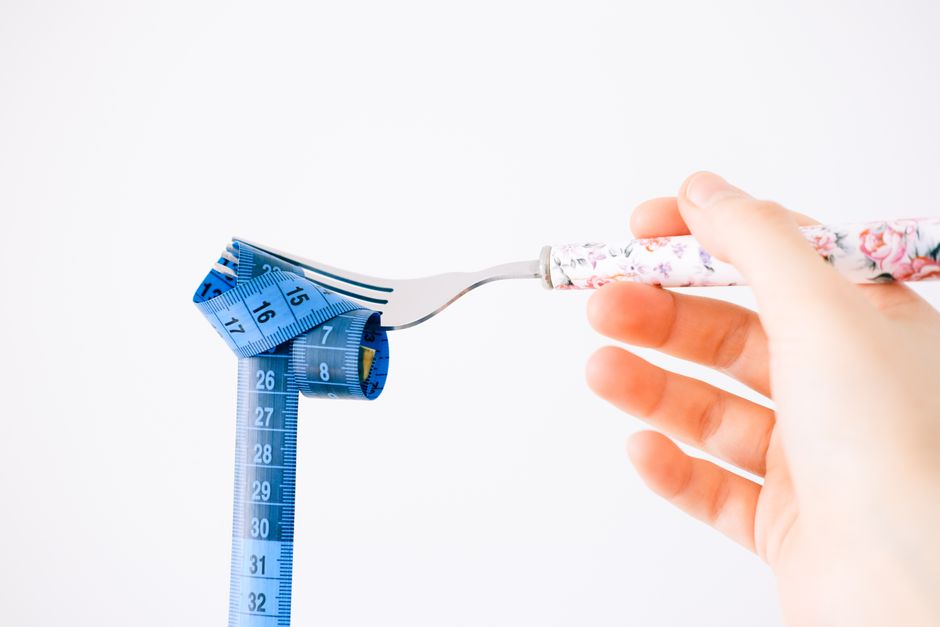
A calorie deficit means eating fewer calories than your body burns. It is the foundation of weight loss. But a deficit often brings hunger, and hunger is hard to ignore. The good news is that the foods you choose can make a large difference. Foods high in protein and fiber keep you full longer than processed snacks. They also tend to be lower in calories per bite. You can eat a satisfying amount of food and still stay in a deficit. The goal is to choose foods that fill your stomach and signal fullness to your brain before you overeat.
Why Does Hunger Happen in a Calorie Deficit?
Hunger is a biological signal. When you eat fewer calories, your body releases hormones that tell your brain you need energy. Ghrelin, often called the hunger hormone, rises when your stomach is empty. Leptin, which helps you feel full, falls when fat stores shrink. This is a normal response to eating less.
But food composition matters as much as calorie count. A meal of refined carbohydrates — like white bread or sugary cereal — digests quickly. Your blood sugar spikes and then drops. That drop triggers hunger again soon after eating. A meal with protein, fiber, and water-rich vegetables digests slowly. It keeps blood sugar steady and keeps you full for hours.
Understanding this helps you plan meals. You are not fighting your body. You are working with it by choosing foods that naturally manage hunger signals.
What To Eat For A Calorie Deficit Without Hunger?
The most filling foods share three traits: high protein, high fiber, and high water content. Protein is the most satiating macronutrient. It reduces ghrelin and increases hormones that promote fullness. Fiber adds bulk without adding many calories. Water-rich foods like vegetables and soups take up stomach space without a high calorie load.
Here are the food categories that work best:
- Lean proteins: Chicken breast, turkey, fish, eggs, Greek yogurt, and tofu. These provide 20-30 grams of protein per serving with relatively few calories.
- Vegetables: Leafy greens, broccoli, cauliflower, zucchini, and peppers. They are low in calories and high in volume. You can eat a large plate for under 100 calories.
- Whole fruits: Apples, berries, oranges, and melons. Their fiber and water content make them more filling than fruit juice or dried fruit.
- Legumes: Lentils, chickpeas, black beans, and kidney beans. They combine protein and fiber in one package.
- Whole grains: Oats, quinoa, brown rice, and barley. They provide more fiber than refined grains and digest more slowly.
- Broth-based soups: Studies have shown that soup can be more satiating than the same ingredients served as a solid meal. The extra water adds volume without calories.
This is not a restrictive list. It is a template. Build meals around these foods and you can eat a normal volume of food while staying in a deficit.
How Much Protein Do You Need to Stay Full?
Protein is the single most important nutrient for managing hunger in a calorie deficit. Research consistently shows that protein reduces appetite more than carbohydrates or fat. It also helps preserve muscle mass while you lose weight.
General guidelines recommend 1.6 to 2.2 grams of protein per kilogram of body weight for people actively trying to lose weight while preserving muscle. For a 150-pound person, that is roughly 110 to 150 grams per day. For a 200-pound person, it is roughly 145 to 200 grams per day.
Spreading protein across meals works better than eating it all at once. Aim for 25-40 grams at each meal. This keeps hunger signals suppressed throughout the day rather than in one or two spikes.
Good protein sources include chicken breast, which has about 31 grams per 100 grams cooked. Greek yogurt has about 10 grams per 100 grams. Lentils have about 9 grams per 100 grams cooked. Eggs have about 6 grams per large egg.
Which Fats Help You Feel Full?
Fat is the most calorie-dense nutrient. It provides 9 calories per gram, compared to 4 calories per gram for protein and carbohydrates. That means fat should be portioned carefully in a calorie deficit. But eliminating fat entirely is a mistake.
Fat slows digestion. It helps meals feel satisfying and prevents the “I just ate but still want something” feeling. The key is choosing fats that come with other nutrients and using them in moderate amounts.
Good options include:
- Avocado: Rich in monounsaturated fat and fiber. Half an avocado has about 120 calories.
- Nuts: Almonds, walnuts, and pistachios. They are calorie-dense, so portion them. A small handful is about 160-180 calories.
- Seeds: Chia seeds, flaxseeds, and pumpkin seeds. They add fiber along with fat.
- Olive oil: Use it for cooking or dressing, but measure it. A tablespoon has about 120 calories.
Fat also helps your body absorb fat-soluble vitamins like A, D, E, and K. A salad with a small amount of olive oil is more nutritious than a fat-free salad. Just track portions because calories add up quickly.
What About Carbohydrates?
Carbohydrates are not the enemy in a calorie deficit. The type and amount matter more than avoiding them entirely. Fiber-rich carbohydrates are some of the most filling foods available.
Oats are a strong choice. A bowl of cooked oats with berries and a scoop of protein powder can keep you full for hours. Potatoes are also surprisingly satiating. Research on satiety indexes has repeatedly ranked boiled potatoes as one of the most filling foods per calorie. The key is preparation — boiled or baked potatoes with skin beat french fries or chips.
Refined carbohydrates — white bread, pastries, sugary drinks — are the ones to limit. They pack calories into a small volume and digest quickly. They do not suppress hunger for long. Swapping refined grains for whole grains is one of the simplest changes you can make.
Fruit is a smart carbohydrate choice. It provides fiber, water, and natural sweetness. Whole fruit is far more filling than fruit juice. An apple with the skin has about 95 calories and 4 grams of fiber. A glass of apple juice has about the same calories but almost no fiber and no chewing time.
How Meal Volume Affects Fullness
Your stomach has stretch receptors. When they sense volume, they send signals to your brain that you are full. This is why you can eat a huge salad and feel satisfied, while a small burger leaves you hungry.
Foods with high water content provide volume without many calories. Vegetables, soups, and fruits are mostly water. They fill your stomach and trigger fullness signals before you consume too many calories.
This is the principle behind “volume eating.” You can eat the same weight of food — say, 500 grams — for vastly different calorie totals. Five hundred grams of broccoli has about 175 calories. Five hundred grams of cheese has about 2,000 calories. Choosing high-volume, low-calorie foods lets you eat a normal amount of food and still create a deficit.
Practical ways to increase meal volume:
- Add a side salad to lunch and dinner.
- Start meals with a broth-based soup.
- Use vegetables as a base — zucchini noodles, cauliflower rice, lettuce wraps.
- Add extra vegetables to stir-fries, omelets, and grain bowls.
What Foods Should You Limit or Avoid?
Some foods make a calorie deficit much harder. Ultra-processed snacks are engineered to be hyper-palatable. They combine sugar, salt, and fat in ways that override your fullness signals. Chips, cookies, and fast food are easy to overeat because they do not trigger the same satiety response as whole foods.
Liquid calories are another problem. Sugary drinks, sweetened coffee, and alcohol provide calories without any fullness benefit. Your brain does not register liquid calories the same way it registers solid food. A 300-calorie smoothie does not suppress appetite the way a 300-calorie meal does.
You do not need to ban these foods completely. But being aware of their calorie density helps. A small handful of chips may be fine. Eating from the bag until it is empty is not. Pre-portioning snacks and choosing water or unsweetened drinks removes the biggest sources of hidden calories.
Practical Meal Ideas That Keep You Full
Putting these principles together is easier than it sounds. Here are meal templates that combine protein, fiber, and volume.
Breakfast: Greek yogurt with berries and a sprinkle of oats. Or scrambled eggs with spinach and a slice of whole-grain toast.
Lunch: A large salad with grilled chicken, mixed vegetables, and a light dressing. Or a lentil soup with a side of whole-grain bread.
Dinner: Baked fish with roasted vegetables and a small portion of quinoa. Or a stir-fry with tofu, broccoli, peppers, and brown rice.
Snacks: An apple with a tablespoon of peanut butter. Carrot sticks with hummus. A hard-boiled egg. Cottage cheese with pineapple.
These meals are not exotic. They use common ingredients and take minutes to prepare. The pattern is consistent: protein first, vegetables second, and a small portion of complex carbohydrates.
How Long Does It Take to Adjust to Less Food?
Hunger in the first week of a calorie deficit is normal. Your body is adapting to a lower energy intake. Ghrelin levels tend to be highest in the early stages of dieting.
Most people find that hunger decreases after the first two to three weeks. The body adjusts to the new intake level. Meals that felt small at first begin to feel normal. This is not just psychological — hormone levels shift as your body adapts.
If hunger remains intense after several weeks, the deficit may be too large. A moderate deficit of about 300-500 calories per day is more sustainable than a very aggressive cut. Eating too little can backfire, leading to fatigue, poor adherence, and eventually overeating.
Frequently Asked Questions
Can I eat carbs and still stay in a calorie deficit?
Yes. Complex carbohydrates like oats, potatoes, and whole grains are filling and can fit in a calorie deficit. The key is choosing fiber-rich carbs over refined ones and controlling portion size.
How many calories should I eat to lose weight without hunger?
This varies by age, sex, weight, and activity level. A moderate deficit of 300-500 calories below your maintenance needs is generally sustainable and less likely to cause intense hunger than a larger cut.
What is the most filling food for weight loss?
Boiled potatoes consistently rank high in satiety studies, and lean proteins like chicken and Greek yogurt are also very filling. The best approach is combining protein with high-volume vegetables at each meal.
Does drinking water help with hunger in a calorie deficit?
Drinking water before meals can help some people feel fuller, but it does not replace the satiety from protein and fiber. Water-rich foods like soups and vegetables provide more lasting fullness than water alone.
