
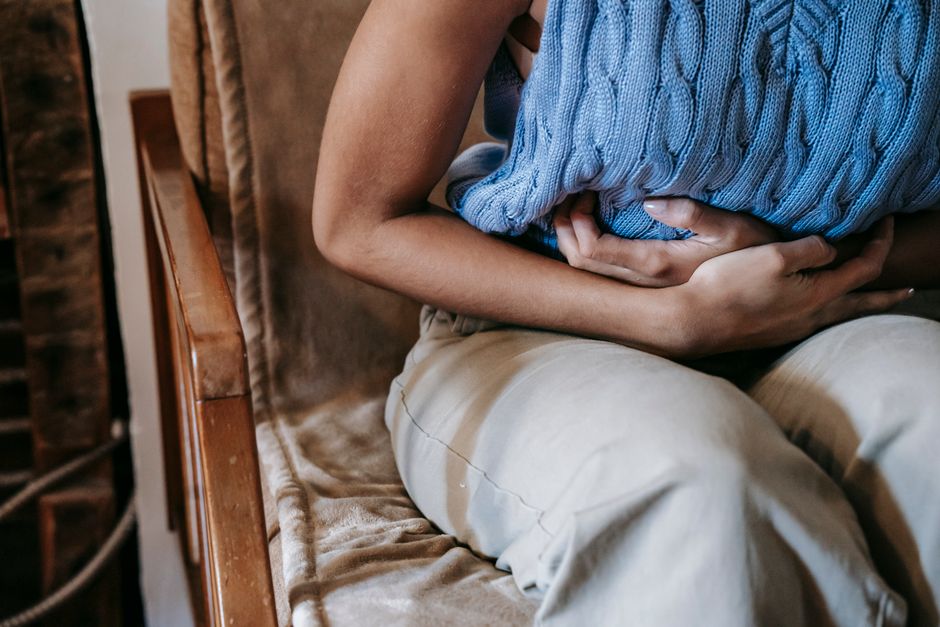
A stomach ache can stop you in your tracks. When your gut is cramping, bloated, or just uncomfortable, the last thing you want to do is make it worse. The safest approach is to eat small amounts of bland, low-fat, easily digestible foods. Think plain crackers, white rice, toast, bananas, and clear broth. These foods give your digestive system a break while still providing a little energy. You want to let your stomach settle before you worry about a full meal.
What To Eat During Stomach Ache
The BRAT diet is the classic starting point. It stands for Bananas, Rice, Applesauce, and Toast. These foods are low in fiber, which means your digestive tract does not have to work as hard to break them down. They are also bland, so they are unlikely to irritate an already sensitive stomach lining.
Beyond the BRAT foods, plain saltine crackers and dry toast are safe bets. Clear broths, like chicken or vegetable broth, provide fluids and electrolytes without adding fat. You can also try boiled potatoes without the skin, plain pasta, or cooked cereals like oatmeal that is not loaded with sugar or spices. The goal is to eat small portions frequently rather than large meals all at once.
Why Bland Foods Help an Upset Stomach
Your digestive system relies on a balance of acid, enzymes, and muscle contractions to move food along. When you have a stomach ache, that system is often irritated or inflamed. High-fat foods take longer to digest and can trigger stronger contractions in the intestines, which may worsen cramping and diarrhea. Spicy foods can directly irritate the stomach lining and esophagus.
Bland foods are gentle because they require minimal digestive effort. They are low in fat and fiber, and they do not contain compounds that stimulate acid production or intestinal spasms. This gives the lining of your stomach and intestines a chance to recover. It is similar to resting a sore muscle — you avoid activities that strain it until it heals.
Foods and Drinks to Avoid During a Stomach Ache
Some foods are known to make stomach aches worse. Avoid them until you feel better:
- Dairy products: Milk, cheese, and ice cream can be hard to digest, especially if you are temporarily lactose intolerant after a stomach bug.
- Fried and fatty foods: Burgers, fries, and processed snacks slow digestion and can trigger nausea or cramping.
- Spicy foods: Hot peppers, curry, and chili can irritate the stomach lining.
- Acidic foods: Citrus fruits, tomatoes, and vinegar-based dressings can worsen heartburn or acid reflux.
- Caffeine and alcohol: Both stimulate the digestive tract and can dehydrate you, which is the opposite of what you need.
- Carbonated drinks: The bubbles can cause bloating and gas, adding pressure to an already uncomfortable belly.
Artificial sweeteners are another thing to skip. Some sugar alcohols, like sorbitol and mannitol, are poorly absorbed and can cause diarrhea and cramping on their own.





How to Eat When You Have a Stomach Ache
How you eat matters just as much as what you eat. Start with small bites and chew slowly. Eating too fast can introduce air into your digestive tract, which leads to bloating and gas. Give your stomach time to signal that it is full before you take another bite.
You also want to stay hydrated, but not with large gulps. Sip fluids slowly throughout the day. Water is always a safe choice, and oral rehydration solutions can help if you have been vomiting or have diarrhea. These solutions contain the right balance of salt and sugar to replace what your body has lost.
If you feel nauseous, wait a bit before eating. Forcing food down when your stomach is actively rejecting it will only make things worse. Wait until the nausea passes, then try a small piece of toast or a few crackers.
When to See a Doctor for a Stomach Ache
Most stomach aches resolve on their own within a day or two. But some symptoms require medical attention. Seek care if you have severe pain that does not go away, a fever above 101°F, blood in your stool or vomit, or you cannot keep any fluids down for more than 24 hours.
Pain that is sharp and localized to one spot, especially the lower right side of the abdomen, can be a sign of appendicitis. This is a medical emergency. Vomiting that lasts more than two days in adults or more than 12 hours in children also needs evaluation. Dehydration is a real risk when you cannot keep fluids down, and it can be dangerous, especially for young children and older adults.
If you have a chronic condition like irritable bowel syndrome, Crohn’s disease, or ulcerative colitis, talk to your doctor about what to eat during flare-ups. What works for a simple stomach bug may not be right for you.
What About Ginger, Peppermint, and Other Home Remedies?
Ginger is one of the better-studied home remedies for nausea. Some research suggests it can help reduce nausea related to pregnancy, motion sickness, and chemotherapy. It is less clear whether it helps with general stomach pain from indigestion. Ginger tea or chewing a small piece of candied ginger is generally safe for most people, but it is not a cure-all.
Peppermint tea is sometimes recommended for digestive complaints. Some studies suggest peppermint oil capsules can help with symptoms of irritable bowel syndrome, but the evidence for peppermint tea is weaker. If you have acid reflux or a hiatal hernia, peppermint can actually make heartburn worse because it relaxes the muscle between the stomach and esophagus.
Chamomile tea is another gentle option. It has mild anti-inflammatory properties, and many people find it soothing. But no large clinical trials have confirmed that it treats stomach aches specifically. These remedies are fine to try in moderation, but they are not substitutes for medical care if your symptoms are severe.
Reintroducing Normal Foods After a Stomach Ache
Once your symptoms improve, do not jump straight back to a heavy meal. Gradually reintroduce foods over a day or two. Start with the bland foods you tolerated well, then add in lean proteins like grilled chicken or fish, and cooked vegetables. Pay attention to how your body responds.
If a food causes your symptoms to return, go back to the bland diet for another day. This is not a sign of weakness. It is your digestive system telling you it needs more time. Most people can return to a normal diet within 48 to 72 hours after symptoms resolve.
Probiotics are sometimes suggested to help restore gut bacteria after a stomach bug. Some evidence indicates they may shorten the duration of infectious diarrhea, but the results are mixed, and not all probiotic strains are equally effective. If you choose to take one, it is generally safe for healthy adults, but check with your doctor if you have a weakened immune system.
Preventing Future Stomach Aches
You cannot prevent every stomach ache, but you can reduce how often they happen. Wash your hands regularly, especially before eating and after using the bathroom. This is the single most effective way to avoid viral and bacterial stomach infections.
Pay attention to food safety. Refrigerate leftovers promptly, cook meats to safe internal temperatures, and avoid eating foods that have been sitting out for more than two hours. If you travel to areas with different sanitation standards, stick to bottled water and freshly cooked hot foods.
For people prone to indigestion, eating smaller meals more frequently can help. So can avoiding trigger foods like spicy dishes, carbonated drinks, and heavy meals late at night. Stress also plays a role in digestive symptoms for many people. Managing stress through exercise, adequate sleep, or relaxation techniques may help reduce the frequency of stomach aches, though the evidence for specific techniques is limited.
Frequently Asked Questions
What is the fastest way to settle a stomach ache?
Rest and sip clear fluids slowly. Once your stomach settles, eat a small amount of a bland food like a plain cracker or piece of toast.
Is yogurt good for a stomach ache?
Not usually. Dairy can be hard to digest when your stomach is upset, and some people become temporarily lactose intolerant after a stomach bug.
Can I drink coffee when I have a stomach ache?
No. Caffeine stimulates your digestive tract and can worsen cramping and diarrhea, and it can also dehydrate you.
How long should I stick to the BRAT diet?
Stay on bland foods until your symptoms improve, usually 24 to 48 hours. Then gradually reintroduce lean proteins and cooked vegetables.
