
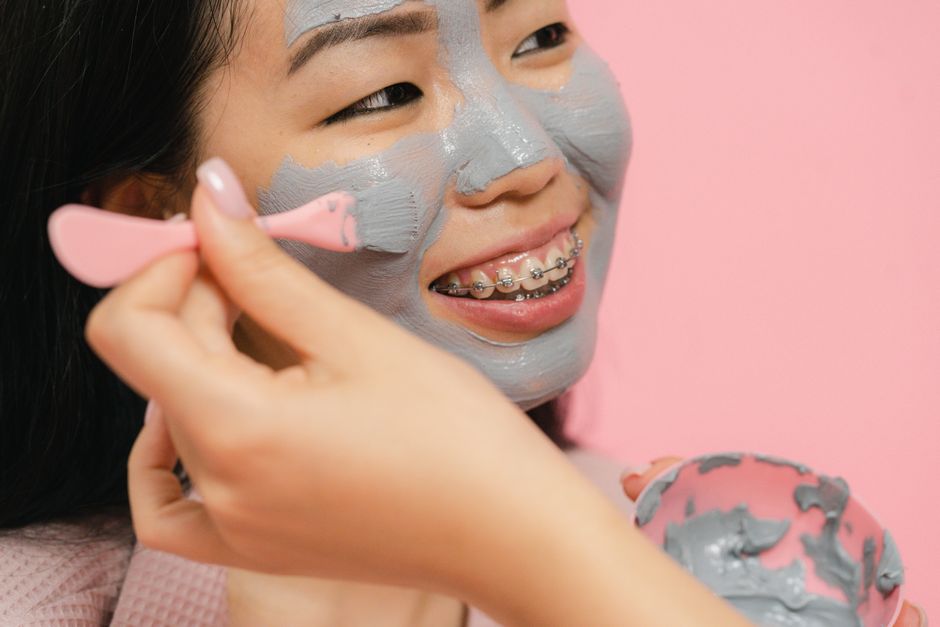
Getting braces changes your relationship with food overnight. The first week is usually the hardest, but some foods can cause problems the entire time you wear braces. The basic rule is simple: avoid anything hard, sticky, or chewy enough to bend wires, pop brackets, or get stuck in places you cannot reach with a toothbrush. Soft foods that require little chewing are safe. Foods that make you bite down with force are not.
Why Certain Foods Damage Braces
Braces work by applying steady, gentle pressure to move your teeth. That pressure comes from the archwire that connects each bracket. When you bite into something hard, that force travels straight to the brackets and wires. Brackets are bonded to teeth with strong adhesive, but they are not indestructible. A hard impact can break that bond and pop a bracket off completely.
Sticky foods are a different problem. They do not usually break brackets, but they can pull them loose or bend wires out of shape. Caramel and chewy candies can also wrap around the bracket itself, making it nearly impossible to clean properly. Plaque builds up around trapped food, which raises the risk of white spots on teeth after braces come off.
There is also a simpler issue. Soreness. After each adjustment, your teeth are tender for a few days. Even foods that are technically safe can hurt if they require any real chewing. This is why the first week with braces is mostly about soft foods.
What To Eat With Braces: The Safe List
Soft foods are your foundation. They do not put stress on brackets and they do not cause pain when your teeth are sensitive. You can eat most of these foods the very first day after getting braces.
- Dairy: Yogurt, pudding, soft cheese, cottage cheese, milk-based smoothies
- Grains: Oatmeal, cream of wheat, soft bread without hard crusts, pancakes, tortillas
- Proteins: Eggs, soft fish like salmon, ground meat, tofu, beans that are cooked until soft
- Fruits: Bananas, applesauce, ripe peaches, berries, blended fruit smoothies
- Vegetables: Mashed potatoes, steamed or boiled vegetables that are fork-tender, pureed soups
- Other: Pasta, rice, soft noodles, hummus, avocado
When your teeth are not sore, you can expand this list. Cut harder foods like raw apples or carrots into small, thin slices. Biting into a whole apple with your front teeth is risky. Slicing it and chewing with your back teeth is usually fine. The same applies to corn on the cob — cut the kernels off before eating. Pizza and sandwiches are acceptable if you cut them into small pieces and avoid hard crusts.
What Not To Eat With Braces: The Avoid List
Some foods are off-limits for the entire time you wear braces. Not just during the first week. Bending a wire or popping a bracket can happen at any point, and each repair visit adds time to your treatment.
- Hard candies: Jolly Ranchers, hard mints, lollipops. These require biting or sucking and can crack brackets.
- Sticky candies: Caramel, taffy, gummy bears, Starburst, gum (including sugar-free). These pull at wires and get trapped in brackets.
- Crunchy snacks: Popcorn, chips, pretzels, nuts, hard crackers. Kernels and shards get stuck and can bend wires.
- Chewy foods: Bagels, crusty bread, jerky, licorice, thick pizza crust.
- Hard produce: Raw carrots, whole apples, corn on the cob, hard pretzels.
- Ice: Chewing ice is one of the most common causes of broken brackets.
Popcorn deserves special mention. The hulls are small, sharp, and wedge themselves between brackets and under wires. They are difficult to remove and can irritate your gums. Many orthodontists report popcorn as a leading cause of emergency visits during treatment.



What To Eat And Not To Eat With Braces: The First Week
The first week after getting braces or after a tightening appointment is when your teeth are most sensitive. Even soft foods can be uncomfortable if they are too hot or too cold. Stick to room-temperature foods and aim for things that require almost no chewing.
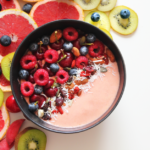
Good first-week options include mashed potatoes, yogurt, scrambled eggs, soup, smoothies, and pasta cooked very soft. Ice cream is fine but eat it slowly. Cold sensitivity is common right after adjustments.
You do not need to follow a liquid diet. Most people manage soft solid foods without much trouble. But if your teeth feel especially tender, do not push through the pain. Give your mouth a day or two to adjust before trying foods that need more chewing.
How To Eat Harder Foods Safely
You do not have to give up every crunchy food for two years. The key is changing how you eat, not just what you eat. Cut foods into small pieces before putting them in your mouth. Chew with your back teeth, which handle force better than your front teeth. Never bite into anything with your front teeth while wearing braces — this is the single most common mistake people make.
For foods like apples, carrots, or sandwiches, slice them into thin strips or small cubes. This reduces the force needed to bite through them. For foods like steak or chicken, cut them into small pieces and chew slowly. Tough meats can still put pressure on brackets if you are not careful.
Some people find that softer versions of their favorite foods work well. Choose thin-crust pizza over thick crust. Pick soft rolls over crusty baguettes. Opt for ground meat instead of steak. These small swaps keep variety in your diet without adding risk.
What To Do If You Break A Bracket
Even with careful eating, accidents happen. If a bracket pops off or a wire bends, call your orthodontist right away. Do not try to fix it yourself. Poking at wires with household tools can cause more damage and delay your treatment.
If a wire is poking your cheek or gum, you can place a small piece of orthodontic wax over the end to protect the area until your appointment. If a bracket is loose but still attached to the wire, leave it in place. Do not remove it. Your orthodontist will re-bond it at your visit.
Continue brushing and flossing carefully even with a broken bracket. Food can collect around the damaged area quickly, and keeping it clean prevents gum irritation while you wait for your appointment.
Long-Term Habits That Protect Your Braces
Your eating habits during braces treatment affect more than just your brackets. They affect the final result. Every time a bracket breaks, your teeth stop moving. Treatment time extends. The longer you wear braces, the higher the risk of enamel damage and gum problems.
Good oral hygiene matters as much as food choices. Brush after every meal, not just twice a day. Food particles hide in brackets and under wires. Flossing takes longer with braces, but it is essential. Water flossers help, but they do not replace string floss for cleaning below the gumline.
Your orthodontist will give you specific instructions for your appliance. Follow them. If you have elastics, wear them as directed. If you have a retainer after braces, the same food rules apply while you wear it. Retainers can warp if you eat with them in place.
Frequently Asked Questions
Can I eat pizza with braces?
Yes, if you cut it into small pieces and choose a softer crust. Avoid thick, chewy crusts and hard edges that require forceful biting.
Can I eat chips with braces?
Most chips are too hard and crunchy for braces. They can bend wires or break brackets. If you want a crunchy snack, try softer options like cheese puffs that dissolve quickly.
How long do I need to avoid hard foods after getting braces?
You should avoid hard and sticky foods for the entire time you wear braces, but the first week is when your teeth are most sensitive. After that, you can eat some hard foods if you cut them into small pieces and chew carefully.
What happens if I eat something I should not with braces?
You may loosen a bracket, bend a wire, or trap food that causes plaque buildup. These issues require an orthodontist visit and can extend your treatment time.
