
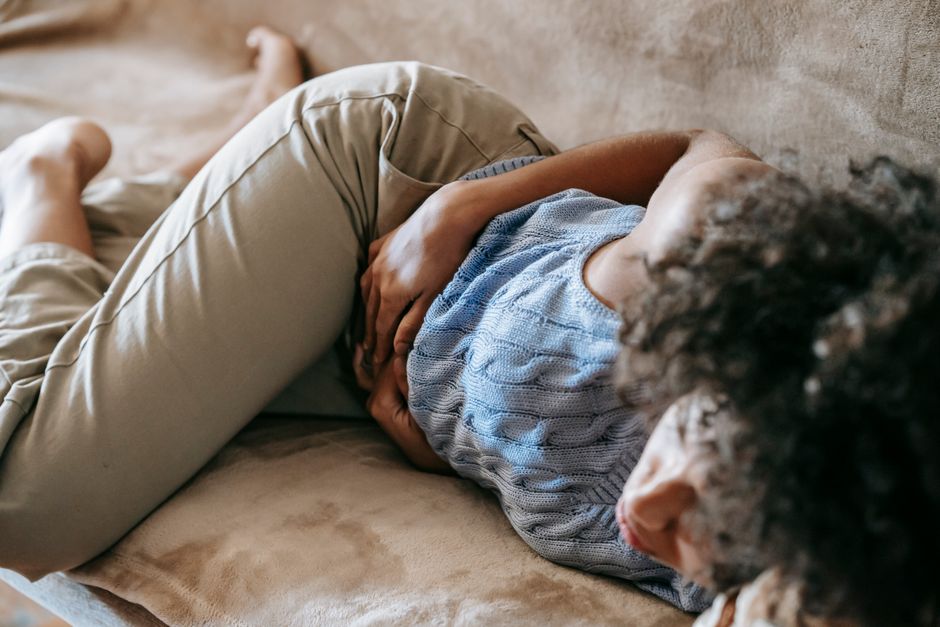
If your gallbladder is causing trouble, the food on your plate can make a real difference in how you feel. The general rule is to go easy on fried foods, fatty meats, and heavy cream sauces, and to lean on vegetables, fruits, whole grains, and lean protein. Fiber and healthy fats from plants tend to sit better than a double cheeseburger and fries.
That said, diet is not a treatment for gallbladder disease. It can reduce symptoms and lower some risks, but it cannot dissolve gallstones or cure an inflamed gallbladder. Some people need surgery, and no eating plan replaces that.
What does the gallbladder actually do?
The gallbladder is a small, pear-shaped sac tucked under your liver. Its job is to store bile, a fluid the liver makes to help digest fat.
When you eat, especially when you eat fat, the gallbladder squeezes and sends bile into your small intestine. Bile breaks fat into tiny droplets so enzymes can digest it. Without a gallbladder, your liver still makes bile. It just drips continuously into the gut instead of being stored and released on demand.
This is why many people live normal lives after gallbladder removal. The body adapts. Some notice looser stools or more gas for a while, especially after fatty meals, but most adjust.
What are the most common gallbladder problems?
Gallstones are the big one. They form when substances in bile, mostly cholesterol or bilirubin, harden into pebble-like pieces. They can be as small as a grain of sand or as large as a golf ball.
Many people have gallstones and never know it. Others get attacks when a stone blocks a bile duct. That pain is often sudden and severe, usually in the upper right abdomen, sometimes spreading to the back or right shoulder. It frequently hits after a fatty meal and can last from 30 minutes to several hours.
Other conditions include:
- Cholecystitis — inflammation of the gallbladder, often from a blocked duct
- Biliary colic — pain from temporary duct blockage without infection
- Cholangitis — an infection of the bile ducts, which is a medical emergency
- Gallbladder sludge — thickened bile that can cause symptoms similar to stones
Gallstones are more common in women, people over 40, those with obesity, and people who lose weight very quickly. Pregnancy and certain medications also raise risk. This is why gallbladder issues are sometimes described as the “four F’s”: female, forty, fat, and fertile, though that framing leaves out plenty of people who get them.
What To Eat And Avoid With Gallbladder Issues?
This is the practical heart of the matter. Your goal is to reduce the amount of work your gallbladder has to do while still eating well.
Fat is the main trigger. When fat enters your small intestine, your gallbladder contracts to release bile. If stones or inflammation are present, that contraction can hurt. Cutting back on fat, especially the fried and processed kind, often reduces attacks.
But “low fat” does not mean “no fat.” Your body needs fat to absorb vitamins A, D, E, and K and to make hormones. The trick is choosing fats that are easier to handle and eating them in smaller amounts throughout the day rather than in one big load.
Foods to lean on
- Vegetables, fresh or steamed
- Fruits, especially those with skin for fiber
- Whole grains like oats, brown rice, and whole wheat bread
- Lean poultry without skin
- Fish, including fatty fish like salmon in modest portions
- Beans and lentils
- Low-fat or fat-free dairy
- Olive oil and other plant oils in small amounts
- Nuts and seeds in small portions
Fiber deserves special mention. It helps keep bile moving through your system and may reduce the chance of cholesterol stones forming. Most adults should aim for roughly 25 to 30 grams of fiber a day, though many people get far less.
Foods to limit or avoid
- Fried foods — french fries, fried chicken, chips
- Fatty red meats and processed meats like bacon and sausage
- Full-fat dairy — butter, cream, whole milk, rich cheeses
- Heavy cream sauces and gravies
- Pastries, cakes, and cookies made with lots of butter or shortening
- Pizza with extra cheese and greasy toppings
- Sugary drinks and refined carbs
For some people, certain foods trigger attacks even when they are not especially fatty. Coffee, spicy food, and chocolate are common culprits in anecdotal reports. The evidence linking these specific foods to gallbladder attacks is not strong. Still, if you notice a pattern, it is reasonable to test cutting them out.

Does fasting or skipping meals make gallbladder problems worse?
Yes, it can. This surprises many people.
The gallbladder needs to empty regularly. When you skip meals or fast for long stretches, bile sits in the gallbladder and becomes more concentrated. That stagnation is thought to promote stone formation and sludge.
This is one reason very rapid weight loss raises gallstone risk. Crash diets and weight-loss surgery both cause fast fat breakdown, which changes bile composition and increases the chance of stones forming. Losing weight at a slower, steadier pace is generally safer for your gallbladder.
Eating regular meals, even small ones, helps keep bile flowing. If you are trying to lose weight and have gallbladder concerns, talk to a doctor about a pace that works for you.
Can diet prevent gallstones in the first place?
Diet appears to play a role, though it is not the whole story. Genetics, hormones, and body weight matter too.
Some studies suggest that diets higher in fiber and healthy fats, and lower in refined carbohydrates and trans fats, are linked to lower rates of gallstones. The Mediterranean-style eating pattern, rich in vegetables, whole grains, fish, and olive oil, has been associated with reduced gallbladder risk in some research.
What does not appear helpful: very low-calorie diets, long fasts, and diets heavy in sugar and processed food. These are linked to higher risk in a number of studies.
No diet has been proven to dissolve existing stones. Some oral medications can dissolve cholesterol stones, but they work slowly, only for certain stone types, and stones often come back. This is why surgery remains the most common treatment when stones cause problems.
What should you eat after gallbladder removal?
Most people go back to a normal diet within a few weeks. There is no single required diet after surgery.
During recovery, many doctors suggest starting with bland, low-fat foods and adding fat back gradually. This gives your digestive system time to adjust to bile dripping continuously instead of being stored.
Common early choices include:
- Toast, crackers, and plain rice
- Bananas and applesauce
- Skinless chicken and fish
- Cooked vegetables
- Low-fat yogurt
Some people find they tolerate fatty foods less well after surgery and get diarrhea or urgency. This often improves over weeks to months. If it does not, a doctor can look for other causes.
When should you see a doctor?
Gallbladder problems can become emergencies. Get medical care right away if you have:
- Severe or worsening pain in the upper right abdomen
- Pain that spreads to your back or right shoulder
- Fever or chills with abdominal pain
- Yellowing of the skin or eyes
- Pale, clay-colored stools
- Dark urine
- Persistent nausea or vomiting
These signs can point to a blocked duct or infection, which needs prompt treatment. Do not wait to see if they pass.
Diet changes can help you manage symptoms day to day. They cannot replace a medical evaluation when something is genuinely wrong.
Frequently Asked Questions
Can I eat eggs if I have gallbladder problems?
Eggs are moderate in fat and are fine for many people, but the yolk is where most of the fat sits. If eggs seem to trigger pain, try egg whites or limit how often you eat them and see how you feel.
Is coffee bad for the gallbladder?
Some research has linked coffee to a lower risk of gallstones, though the evidence is not conclusive. Coffee does not appear to cause gallbladder attacks, but if it bothers you, cut back.
Can I avoid gallbladder surgery with diet?
Diet can reduce symptoms but cannot remove stones or cure inflammation. When stones cause repeated attacks or complications, surgery is usually recommended and diet alone is not a substitute.
How long after gallbladder removal should I eat low fat?
Most people can return to a normal diet within a few weeks, adding fat back gradually as tolerated. If fatty foods still cause diarrhea or discomfort after a couple of months, talk to your doctor.
