

Autophagy fasting is a pattern of eating that extends the time between meals long enough to trigger cellular cleanup. During the fasting window, the body breaks down and recycles damaged cell parts. What you eat when you do break the fast matters, because certain foods can blunt or restart the very process you were trying to trigger, while others support it. This article explains what to eat and avoid during autophagy fasting, based on the current science.
What Is Autophagy And Why Does Fasting Trigger It?
Autophagy means “self-eating” in Greek. It is the body’s built-in recycling system. Cells identify damaged proteins, worn-out organelles, and other cellular debris, then break them down and reuse the components to build new, healthy structures.
This process happens at a low level all the time. It ramps up under stress, and one of the most reliable triggers is nutrient scarcity, meaning fasting.
When you eat, insulin rises and a nutrient-sensing pathway called mTOR becomes active. mTOR is a growth signal. It tells cells to build and store. When you fast, insulin falls, mTOR quiets down, and a different pathway called AMPK becomes more active. AMPK promotes energy production and cellular cleanup, including autophagy.
This is well established in laboratory and animal research. The picture in humans is less complete. Measuring autophagy in living human organs is difficult, so most of what we know comes from cell cultures, animal models, and indirect markers in blood or tissue samples. The general direction is consistent, but the exact timing and how much food disrupts the process in humans is not fully mapped.
One important point: autophagy is not an on/off switch. It is a gradual process that increases with fasting duration. The longer you fast, the more it tends to rise, up to a point. The liver’s stored glycogen, which typically lasts around 12 to 16 hours, is a rough marker for when the body shifts more heavily toward fat breakdown and cellular cleanup. That timing varies by person, activity level, and what was eaten before the fast began.
How Long Do You Need To Fast For Autophagy?
There is no single number that applies to everyone. Most research suggests autophagy begins to increase after roughly 12 to 16 hours of fasting, with a more pronounced rise somewhere between 18 and 24 hours. Some studies point to longer fasts for a stronger effect, but these are largely animal studies and small human trials.
A few things influence how quickly you get there:
- Your last meal. A large, carbohydrate-heavy meal refills liver glycogen and delays the shift toward fat breakdown and autophagy.
- Exercise. Physical activity can activate AMPK independently of fasting, which may add to the effect.
- Sleep and stress. Poor sleep and high stress can raise insulin and cortisol, potentially slowing the transition.
- Individual metabolism. Age, body composition, and metabolic health all play a role.
Because human data is limited, treat any specific hour as a rough guide, not a rule.
What To Eat During Autophagy Fasting?
During the fasting window itself, the goal is to avoid calories and avoid anything that raises insulin enough to interrupt the process. That means:
- Water. Plain water has no calories and no effect on insulin.
- Black coffee. Unsweetened black coffee has very few calories and does not appear to meaningfully raise insulin in most people.
- Plain tea. Green, black, and herbal teas without sweetener or milk fit the fasting window.
- Electrolytes. On longer fasts, sodium, potassium, and magnesium can help with symptoms. These should be unsweetened and calorie-free.
A common question is whether coffee or tea breaks a fast. Some research suggests that black coffee and plain tea do not significantly interrupt fasting markers like insulin and ketones. However, some compounds in these drinks may still interact with cellular pathways, and the research is not definitive. For most people, unsweetened coffee and tea are considered acceptable during a fasting window.
What you should avoid during the fast:
- Anything with sugar, including honey, agave, and fruit juice.
- Milk or cream in coffee or tea, since dairy contains protein and lactose.
- Protein powders, bone broth, and amino acid supplements.
- Artificial sweeteners. The evidence here is mixed. Some may trigger a small insulin response in certain people, but results vary. If you want to be conservative, skip them.
- MCT oil or butter in coffee. These add fat calories and can interrupt the fasting state, even if they do not raise insulin much.
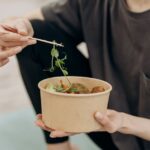



What To Eat When You Break An Autophagy Fast?
How you break the fast matters as much as the fast itself. A sudden large meal, especially one high in refined carbohydrates, can cause a sharp insulin spike and may reverse the cellular state you worked to reach.
For a gentle break, consider:
- Lean protein such as eggs, fish, or poultry.
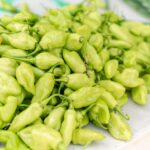
- Non-starchy vegetables like leafy greens, broccoli, or peppers.
- Healthy fats such as olive oil, avocado, or nuts.
- Small portions of complex carbohydrates like quinoa, oats, or sweet potato.
Start with a smaller meal and wait 30 to 60 minutes before eating more. This gives your digestive system time to adjust and helps prevent the blood sugar swings that can follow a long fast.
Protein is especially important when breaking a fast. It provides amino acids for muscle repair without the sharp insulin response that refined carbs trigger. Some clinicians recommend breaking a fast with protein and vegetables first, then adding carbohydrates later if desired.
What Foods Should You Avoid During Autophagy Fasting?
The foods that most reliably interrupt autophagy are those that raise insulin quickly. These include:
- Refined sugars and sweets.
- White bread, white rice, and other refined grains.
- Sweetened beverages, including soda and fruit juice.
- Most protein supplements and branched-chain amino acids.
- Alcohol, which the liver prioritizes over other metabolic tasks.
Beyond the fasting window, what you eat during your eating window also matters. A diet high in refined carbohydrates and low in protein and fiber can keep insulin elevated and may reduce how much autophagy you get from the same fasting schedule. Some research suggests that a diet lower in processed carbs and higher in whole foods supports better metabolic flexibility, which makes fasting easier and potentially more effective.
Does Anything Else Interfere With Autophagy?
Food is not the only factor. Several other things can affect how much autophagy you get from a fast:
- Medications. Some drugs, including certain diabetes medications, affect the same pathways. Talk to your doctor before combining them with fasting.
- Alcohol. Even small amounts can interrupt the fasting state because the liver prioritizes processing alcohol over other metabolic work.
- Chronic stress. High cortisol can raise blood sugar and work against the fasting state.
- Poor sleep. Short sleep can increase insulin resistance and make fasting less effective.
- Intense exercise. This can go either way. Moderate exercise may support autophagy through AMPK, but very intense training without adequate recovery can raise stress hormones.
None of these are absolute. They are factors that shift the balance, not switches that turn autophagy off completely.
Is Autophagy Fasting Safe For Everyone?
No. Fasting is not appropriate for everyone, and the risks are real for some groups.
People who should not fast without medical supervision include:
- Pregnant or breastfeeding women.
- Children and teenagers.
- People with type 1 diabetes or type 2 diabetes on insulin or certain medications.
- People with a history of eating disorders.
- People taking medications that require food.
- People who are underweight or malnourished.
For these groups, no clinical guidelines support fasting for autophagy, and the risks may outweigh any potential benefit. If you are in any of these categories, talk to your doctor before changing how or when you eat.
Even for healthy adults, longer fasts can cause headaches, fatigue, dizziness, and difficulty concentrating. These usually improve as the body adapts, but they are worth watching. If you feel unwell, eat something.
Frequently Asked Questions
Does coffee break an autophagy fast?
Black coffee without sugar, milk, or cream is generally considered acceptable during a fast and does not appear to meaningfully raise insulin in most people. Adding any calories, including cream or sweetener, can interrupt the fasting state.
Can I eat anything during an autophagy fast?
No. Any food with calories can raise insulin and interrupt autophagy, so the fasting window should be limited to water, black coffee, plain tea, and unsweetened electrolytes. Even small amounts of protein or sugar can blunt the process.
How long after eating does autophagy stop?
Autophagy does not stop instantly after eating, but insulin rises within minutes and mTOR becomes active, which shifts cells back toward growth and storage. The exact timing varies by person and by what was eaten.
What is the best food to break an autophagy fast?
Lean protein and non-starchy vegetables are a common choice because they provide nutrients without a sharp insulin spike. Some clinicians suggest starting with a smaller meal and waiting before eating more.
