
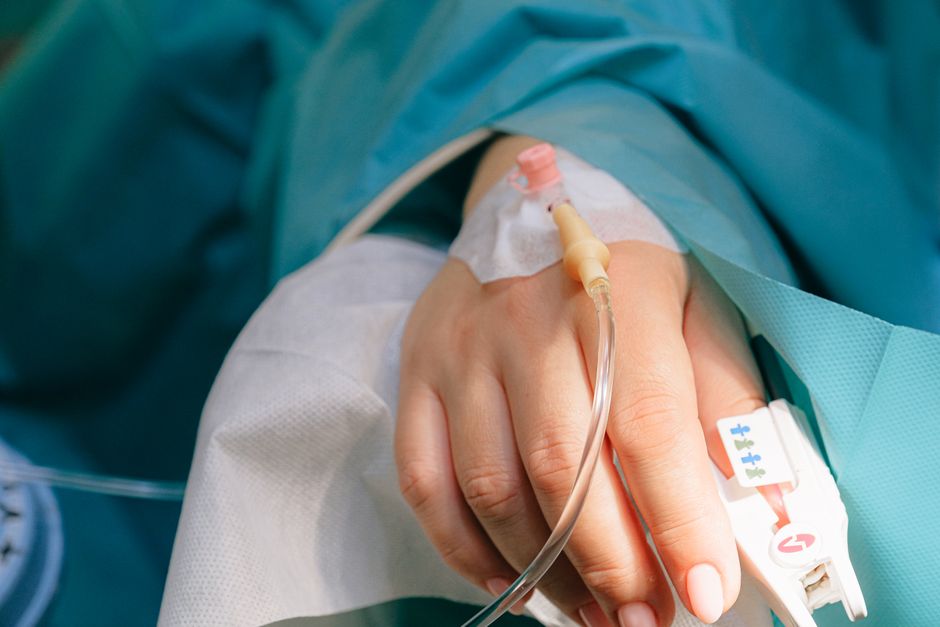
A colonoscopy involves threading a flexible tube through the entire length of your large intestine, and the prep beforehand clears out everything in its path. That leaves your gut temporarily emptied, sometimes irritated, and not quite ready for a steak dinner. The short answer: start with clear liquids, then move to soft, low-fiber foods like applesauce, bananas, white toast, eggs, and plain chicken. Add fiber back slowly over the next day or two. Most people return to their normal diet within 24 to 48 hours without any problems.
Why Does Your Gut Need a Gentle Restart After a Colonoscopy?
The colon is a muscular tube about five feet long. During the procedure, it gets inflated with gas or carbon dioxide so the doctor can see the lining clearly. The scope itself and any biopsies or polyp removals leave small areas of irritation behind.
Meanwhile, the bowel prep has washed out most of your stool and a good portion of your normal gut bacteria. Your digestive system is essentially starting from an empty slate. Eating a heavy, greasy, or very high-fiber meal right away can trigger cramping, bloating, or urgent trips to the bathroom.
There is also a practical concern. If you had polyps removed or tissue sampled, you have small wounds in the colon lining. Hard, scratchy food particles passing over those areas can cause discomfort. Most doctors recommend a soft diet for the first day for this reason.
Sedation is another factor. The medications used during the procedure can leave you groggy and slightly nauseated for several hours. A light meal sits better than a large one while your body clears the sedative.
What Should You Eat in the First Few Hours?
Clear liquids come first. This is not about nutrition — it is about testing whether your stomach is ready for anything at all.
Start with small sips of water. If that stays down, try clear broth, apple juice, white grape juice, clear soda that has gone flat, or a sports drink with electrolytes. Gelatin and popsicles also work. The goal is hydration, not calories.
Many people wake up from sedation thirsty and slightly dehydrated from the prep. Drinking enough fluid in those first hours matters more than eating. Aim to sip steadily rather than gulp.
If you feel nauseated, wait. Nausea after sedation is common and usually passes within a few hours. Pushing food too soon tends to backfire.
Once clear liquids are staying down without issue — usually within an hour or two — you can move to the next stage.
What Are the Best Soft Foods for the First Day?
Soft, low-fiber, easy-to-digest foods are the right choice for the rest of day one. These give your gut something to work with without demanding much effort.
Good options include:
- Applesauce
- Bananas
- White toast or plain crackers
- Scrambled or hard-boiled eggs
- Plain white rice
- Mashed potatoes without heavy cream or butter
- Plain pasta with a little olive oil
- Skinless chicken or turkey, baked or boiled
- Plain yogurt or kefir
- Broth-based soups with soft cooked vegetables
This resembles what clinicians sometimes call a bland or low-residue diet. The idea is to avoid anything that produces a lot of gas or leaves bulky residue in the colon.
Yogurt and kefir deserve a mention. The prep disrupts your normal gut bacteria, and fermented dairy contains live cultures. Whether this meaningfully speeds recovery is not well established. Some clinicians suggest it, but large trials are lacking. It is a reasonable food choice either way if you tolerate dairy.
Eat small portions. Your gut has been empty for a while, and a normal-sized meal may feel like too much at first. Several small meals tend to sit better than one large one.


What Should You Avoid Eating After a Colonoscopy?
Skip these for at least the first 24 hours:
- Fried or greasy foods
- Spicy dishes
- Raw vegetables and salads
- Beans, lentils, and other legumes
- Broccoli, cabbage, cauliflower, and onions
- Whole grains and bran
- Nuts and seeds
- Popcorn
- Heavy dairy like ice cream or cream sauces
- Alcohol
- Caffeine in large amounts
The reasoning is straightforward. High-fiber and gas-producing foods create more work for a colon that is still recovering. Greasy food slows stomach emptying and can worsen nausea. Alcohol irritates the stomach lining and can intensify the lingering effects of sedation.
Seeds and nuts get special mention because of the polyp removal concern. There is no strong evidence that small seeds actually cause harm to healing biopsy sites, but many doctors still advise avoiding them for a few days. This is common clinical practice rather than a strongly evidence-based recommendation.
Caffeine is a gray area. A small cup of coffee is unlikely to cause problems for most people. Large amounts can stimulate the bowel and cause urgency, which is the last thing you want on recovery day.
When Can You Add Fiber Back?
Most people can start reintroducing fiber within 24 to 48 hours, depending on how they feel. Go slowly.
Start with cooked vegetables rather than raw. Cooked carrots, zucchini, and green beans are gentler than a raw salad. Add whole grains gradually — a slice of whole wheat toast before a bowl of bran cereal.
Pay attention to how your body responds. If a food causes bloating, cramping, or diarrhea, back off and try again in a day or two. There is no fixed timeline that works for everyone.
If you had multiple polyps removed or a more involved procedure, your doctor may recommend staying on a low-fiber diet longer. Follow those instructions specifically. General advice does not override what your own clinician tells you.
What About Hydration and Electrolytes?
Hydration is arguably more important than food in the first 24 hours. The bowel prep pulls fluid out of your body, and you have not been drinking normally for hours.
Water is the foundation. But if you feel lightheaded, fatigued, or have a headache, you may need electrolytes. Sports drinks, coconut water, and broth all provide sodium and potassium. Plain water alone does not replace those minerals.
Avoid drinking large volumes all at once. Sip steadily throughout the day. Your stomach is more sensitive than usual, and chugging can trigger nausea.
Urine color is a simple check. Pale yellow suggests you are adequately hydrated. Dark yellow or amber means you need more fluid.
How Long Until You Can Eat Normally Again?
Most people are back to their usual diet within 24 to 48 hours. Some feel fine by the evening of the procedure. Others need a bit longer, especially if polyps were removed or if the prep was particularly difficult.
Listen to your body rather than watching the clock. If you feel hungry and food sits well, you can advance your diet. If you feel queasy or bloated, stay with soft foods a while longer.
Call your doctor if you experience:
- Severe abdominal pain
- Heavy rectal bleeding
- Fever
- Persistent nausea or vomiting
- Inability to pass gas or have a bowel movement for more than a day or two
These symptoms are uncommon after a routine colonoscopy, but they can signal a complication such as a perforation or significant bleeding. Do not wait to see if they resolve on their own.
Does What You Eat Affect Polyp Removal Healing?
There is no strong evidence that specific foods speed or slow healing at a biopsy or polypectomy site. The colon lining heals remarkably fast on its own.
The main dietary concern after polyp removal is avoiding hard, sharp food particles that could theoretically irritate the area. That is why many doctors recommend a low-fiber diet for a few days. Whether this actually prevents bleeding is not well studied. It is a precaution based on reasonable logic, not on trial data.
What matters more is following your discharge instructions. If your doctor says avoid aspirin or certain medications for a period, that instruction is based on bleeding risk and should be taken seriously. Diet plays a smaller role than medication in this situation.
Practical Tips for a Smoother Recovery
Prepare food before your procedure. You will not want to cook when you get home. Having applesauce, crackers, broth, and a few soft options ready makes the first day much easier.
Arrange a ride home. Sedation makes driving unsafe for the rest of the day. This is a safety requirement, not a suggestion.
Plan to rest. Even if you feel fine, your body has been through a procedure. Take it easy for the day.
Drink more than you think you need. Dehydration is the most common complaint after colonoscopy prep.
Do not rush back to normal eating. A gradual return over one to two days is easier on your system than jumping straight into a large, complex meal.
Frequently Asked Questions
Can I eat pizza after a colonoscopy?
It is better to wait at least 24 hours. Pizza is greasy and heavy, which can worsen nausea and cramping while your gut is still recovering.
How soon after a colonoscopy can I eat solid food?
Most people can try soft solid foods within one to two hours after the procedure, once clear liquids have stayed down. Start small and see how you feel.
Is it normal to have diarrhea after a colonoscopy?
Yes, it can happen for a day or two. The prep and the procedure itself can disrupt normal bowel function, but persistent diarrhea beyond a couple of days is worth mentioning to your doctor.
Can I drink coffee after a colonoscopy?
A small cup is usually fine for most people. Large amounts can stimulate the bowel and cause urgency, so keep it modest on recovery day.
