
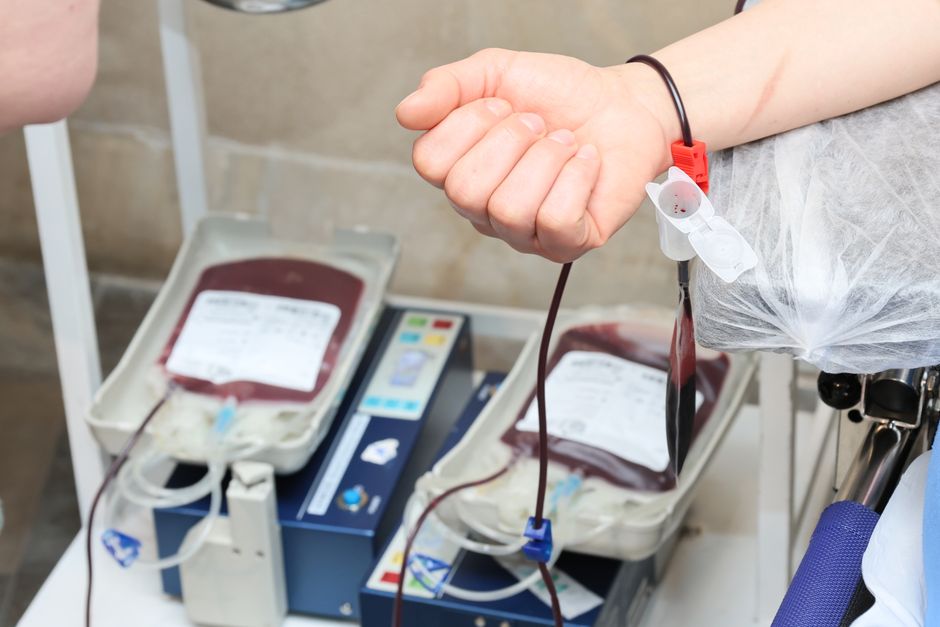
After a blood transfusion, your body needs specific nutrients to help replace red blood cells, rebuild iron stores, and support overall recovery. The most important dietary focus is iron, along with protein, folate, vitamin B12, and vitamin C, which all work together to help your bone marrow produce new, healthy blood cells. Eating a balanced diet with iron-rich foods and foods that help your body absorb that iron is the most effective nutritional strategy during your recovery period.
Why Your Body Needs Extra Iron After a Transfusion
A blood transfusion gives you healthy red blood cells, but it does not fix the underlying reason you needed the transfusion in the first place. Your bone marrow continues to work around the clock producing new red blood cells to replace older ones. This process requires a steady supply of iron, which is the core component of hemoglobin, the protein inside red blood cells that carries oxygen.
When you receive a transfusion, your body also begins breaking down the transfused red blood cells over time. The iron from those old cells is recycled, but your dietary intake still matters for maintaining healthy levels. If your iron stores were low before the transfusion, your body will need consistent dietary iron to rebuild them and prevent future anemia.
Iron deficiency is one of the most common reasons people require transfusions in the first place, especially from chronic blood loss or conditions that impair iron absorption. Rebuilding those stores is not an overnight process. It takes weeks of consistent dietary intake to make a measurable difference in your iron levels.
What To Eat After A Blood Transfusion For Recovery: The Best Iron Sources
Iron comes in two forms: heme iron and non-heme iron. Heme iron comes from animal sources and is absorbed much more efficiently by your body. Non-heme iron comes from plant sources and is absorbed less efficiently, though you can improve its absorption by pairing it with certain foods.
Heme iron foods to include regularly:
- Lean red beef and lamb
- Organ meats like liver (in moderation)
- Dark meat poultry such as chicken thighs
- Fish and shellfish, particularly clams, oysters, and sardines
Non-heme iron foods to include:
- Beans and lentils
- Tofu and tempeh
- Dark leafy greens such as spinach and kale
- Fortified breakfast cereals
- Pumpkin seeds and sesame seeds
- Dried fruits like raisins and apricots
Most adults need about 8 to 18 milligrams of iron per day depending on age and sex, but your doctor may recommend more if your blood counts were significantly low. Do not guess at a higher dose. Ask your healthcare team if a specific target makes sense for your situation.
Vitamin C: The Absorption Booster You Already Have in Your Kitchen
Vitamin C dramatically improves how well your body absorbs non-heme iron from plant foods. Research consistently shows that consuming vitamin C alongside an iron-rich meal can increase iron absorption several times over compared to eating iron alone.
This does not require a supplement. A glass of orange juice with your morning fortified cereal, strawberries on top of spinach salad, or bell peppers cooked into a bean dish all provide the vitamin C your body needs to pull more iron from your meal. Tomatoes, broccoli, citrus fruits, and kiwi are all excellent sources.
The effect is strongest when you eat vitamin C and iron together in the same meal. Spacing them hours apart reduces the benefit significantly. Keep it simple: pair a plant iron source with a vitamin C source at every meal during your recovery.


Protein, Folate, and Vitamin B12: The Other Building Blocks
Iron gets most of the attention after a transfusion, but red blood cell production requires more than iron alone. Your bone marrow needs protein to build the structural framework of new cells. It needs folate and vitamin B12 to properly replicate DNA during cell division. A deficiency in any of these can impair your body’s ability to recover fully.
Protein-rich foods to prioritize:
- Eggs
- Lean meats and poultry
- Fish
- Greek yogurt and cottage cheese
- Beans and lentils
Folate sources: Leafy greens, asparagus, Brussels sprouts, beans, and fortified grains.
Vitamin B12 sources: Meat, fish, eggs, dairy products, and fortified plant milks if you follow a vegan diet.
Most people get adequate protein, folate, and B12 from a varied diet. If you follow a strict vegan or vegetarian diet, B12 is the nutrient most likely to be low because it is naturally found almost exclusively in animal products. A B12 supplement or fortified foods may be necessary, and your doctor can check your levels with a simple blood test.
Foods and Drinks That Hinder Iron Absorption
Just as some foods help iron absorption, others block it. Knowing what to limit is just as important as knowing what to eat.
Calcium is the most common culprit. Dairy products like milk, cheese, and yogurt significantly reduce iron absorption when eaten in the same meal as iron-rich foods. This does not mean you must avoid dairy entirely. It means you should separate your dairy intake from your iron-rich meals by at least one to two hours. Have your morning yogurt at breakfast, but eat your iron-rich lunch and dinner without cheese or milk.
Tea and coffee contain tannins that bind to iron and reduce absorption, particularly non-heme iron. Drinking tea or coffee with a meal can cut iron absorption by more than half in some studies. If you drink these beverages, wait at least an hour after eating your iron-rich meal. The same applies to red wine, which also contains tannins.
Whole grains and legumes contain phytates, compounds that naturally reduce mineral absorption. This does not mean you should avoid these healthy foods. It means you should pair them strategically with vitamin C and heme iron sources to offset the effect.
What To Avoid and When To Ask Your Doctor
Do not take high-dose iron supplements on your own after a transfusion unless your doctor specifically recommends it. Transfusions themselves deliver a significant amount of iron to your body. If you received multiple transfusions, you could actually be at risk of iron overload, a condition where excess iron builds up in your organs and causes damage over time.
Your doctor will check your iron studies, not just your hemoglobin, to determine whether you need supplementation. Ferritin is the blood test that measures your body’s stored iron. If your ferritin is low, supplementation may be appropriate. If it is normal or high, additional iron could cause harm.
Common signs that your recovery is not progressing well include persistent fatigue, shortness of breath with minimal exertion, dizziness, pale skin, or a rapid heart rate. These symptoms warrant a follow-up with your healthcare provider and repeat blood tests to check your counts.
Practical Meal Ideas for the First Week Home
Recovery takes energy, and cooking elaborate meals may feel overwhelming at first. Keep your approach simple and focus on meals that combine iron, protein, and vitamin C without much effort.
For breakfast, consider fortified cereal with berries and a glass of orange juice, or eggs with a side of tomato slices. For lunch, a lentil soup with a squeeze of lemon, or a spinach salad with grilled chicken, strawberries, and bell peppers works well. For dinner, lean beef stir-fry with broccoli and red peppers, or baked salmon with a side of sautéed kale provides a solid combination of nutrients.
Snacks can include dried apricots with a handful of pumpkin seeds, or hummus with raw vegetable sticks. These small, nutrient-dense options help maintain steady intake throughout the day without requiring much preparation.
How Long Does Recovery Take?
Recovery time varies significantly depending on why you needed the transfusion and your overall health. The transfused red blood cells provide immediate improvement in oxygen-carrying capacity, which is why many people feel better within hours to days. However, your body’s own red blood cell production takes time to catch up.
Your bone marrow needs about three to five days to produce new red blood cells and release them into your bloodstream. The full effect of dietary changes on your hemoglobin levels may not be visible on a blood test for several weeks. This is normal. Consistency matters more than intensity when it comes to dietary recovery.
Your healthcare team will typically schedule a follow-up blood test within two to four weeks after your transfusion to check your hemoglobin and iron stores. That test gives you and your doctor the clearest picture of whether your dietary efforts are sufficient or whether additional intervention is needed.
Frequently Asked Questions
Can I take an iron supplement right after a blood transfusion?
Only if your doctor recommends it based on blood tests showing low iron stores. Taking extra iron without knowing your levels can lead to iron overload, especially after multiple transfusions.
How soon after a transfusion will I feel better?
Many people notice improved energy within a few days as the transfused red blood cells begin circulating. Full recovery of your body’s own blood production takes several weeks.
Should I avoid dairy completely during recovery?
No, but you should avoid eating dairy at the same time as iron-rich meals. Calcium blocks iron absorption, so separate your dairy intake from iron-rich foods by at least one to two hours.
Is it safe to drink coffee or tea after a blood transfusion?
Yes, but wait at least one hour after eating an iron-rich meal. The tannins in coffee and tea reduce iron absorption when consumed together with food.
