
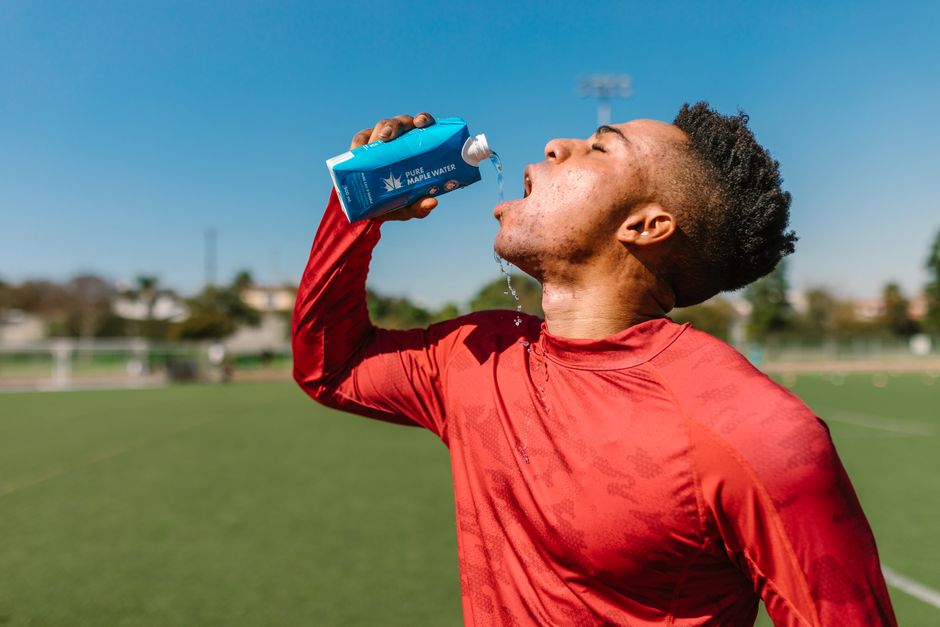
When you need to rehydrate quickly, water is the most reliable choice, but it is not always the fastest. For rapid fluid absorption, drinks that contain small amounts of sugar, sodium, and potassium — like oral rehydration solutions — enter your bloodstream more quickly than plain water alone. Sports drinks can work in a pinch, but many contain more sugar than necessary. The fastest route to hydration depends on how dehydrated you are and what caused it.
Why Plain Water Is Not Always the Fastest Option
Water is essential, and for everyday mild thirst, it is all you need. But when your body is truly dehydrated — after intense exercise, illness, or heat exposure — plain water moves through your stomach at a rate your intestines can only absorb so quickly.
Your intestines absorb water through a process that relies on sodium and glucose. When you drink plain water, it dilutes the sodium already in your gut, which actually slows absorption. Adding small amounts of sugar and salt creates a gradient that pulls water across the intestinal wall faster. This is the principle behind oral rehydration therapy, a method that has saved millions of lives worldwide from dehydration caused by diarrhea.
For most everyday situations, water is perfectly adequate. The distinction matters when you are genuinely dehydrated and need to recover quickly.
What To Drink To Get Hydrated Fast: The Evidence-Based Answer
Oral rehydration solutions are the fastest way to rehydrate. These are not sports drinks. They are specifically formulated with a precise balance of water, glucose, and electrolytes that maximizes fluid absorption in the small intestine.
Commercial oral rehydration salts are available over the counter. The World Health Organization has used a standard formula for decades, though the exact composition has been updated over time. Most pharmacy versions contain around 45-60 mEq/L of sodium and roughly 2% glucose. This specific ratio is what makes them work.
Sports drinks like Gatorade or Powerade are a step down in effectiveness. They contain less sodium than oral rehydration solutions and significantly more sugar. They will hydrate you, but not as efficiently. For a person who has exercised for an hour in moderate heat, a sports drink is fine. For someone with severe dehydration from illness, it is not the right tool.
Coconut water is frequently promoted as a natural hydration drink. It does contain potassium and some sodium, but the sodium content is too low to replace what you lose through sweat. Some research suggests it hydrates comparably to water, but not better. If you enjoy it, drink it. Just do not expect it to outperform a properly formulated rehydration solution.
How Milk Compares to Water and Sports Drinks
Milk is an underappreciated hydration option. Studies have found that milk, particularly skim or low-fat milk, may be more effective than water or sports drinks at maintaining hydration after exercise. This is because milk naturally contains protein, lactose, sodium, and potassium — a combination that slows gastric emptying and helps your body retain fluid longer.
This does not mean milk is the fastest way to absorb fluid. It means the fluid you drink stays in your body longer. For recovery after exercise, that retention is beneficial. For rapid relief from dehydration caused by vomiting or diarrhea, milk is not appropriate. Dairy can be hard to digest when your gut is already irritated.
Milk also provides calories and protein, which matters if you have not eaten. If you are dehydrated from a workout and need both fluid and fuel, milk is a practical choice.





What About Coffee, Tea, and Caffeinated Drinks?
The old warning that caffeine dehydrates you is overstated. Research has shown that moderate caffeine intake — up to about 300-400 mg per day — does not cause significant fluid loss. A cup of coffee or tea contributes to your daily fluid intake just like water does.
That said, caffeine is a mild diuretic. Drinking a large amount of coffee when you are already dehydrated is not the fastest path to recovery. The caffeine will increase urine output, which partially offsets the fluid you are taking in. For rapid rehydration, choose a non-caffeinated beverage.
Alcohol is a different matter. Alcohol suppresses antidiuretic hormone, which is why you urinate more after drinking. Beer and wine are not effective hydration drinks. If you are dehydrated, alcohol will make it worse.
When You Need Electrolytes and When You Do Not
Electrolytes are minerals that carry an electrical charge in your body. Sodium, potassium, chloride, and magnesium are the main ones involved in hydration. They regulate fluid balance, nerve signaling, and muscle contraction.
You lose electrolytes through sweat. The concentration of sodium in sweat varies widely between individuals, but it is always lower than the sodium concentration in your blood. This means you lose relatively more water than sodium when you sweat. Plain water replaces the water, and your kidneys regulate the sodium balance over time.
For most people, most of the time, electrolyte drinks are unnecessary. If you eat a normal diet, you replace electrolytes through food. The situation changes when you sweat heavily for prolonged periods, have diarrhea or vomiting, or are exercising for longer than about an hour in hot conditions. In those cases, a drink with electrolytes can speed recovery.
Hyponatremia is the opposite problem. Drinking excessive amounts of plain water without sodium can dilute your blood sodium to dangerously low levels. This is rare, but it happens most often in endurance athletes who drink large volumes of water without electrolytes. The symptoms include confusion, headache, and in severe cases, seizures.
How Much Fluid Do You Actually Need?
There is no single number that fits everyone. Fluid needs depend on body size, activity level, temperature, and how much you sweat. The old advice to drink eight glasses of water per day is a general guideline, not a scientific standard.
A practical approach is to monitor the color of your urine. Pale yellow indicates adequate hydration. Dark yellow or amber suggests you need more fluid. This is not a perfect measure, but it is useful for most healthy people.
When you are dehydrated, sip fluids slowly rather than gulping large amounts at once. Drinking too much too quickly can cause stomach discomfort and may lead to vomiting if your gut is already unsettled. For most adults, drinking about 500-750 mL (roughly 2-3 cups) over the course of an hour is a reasonable starting point for mild dehydration.
For severe dehydration — marked by dizziness, confusion, inability to keep fluids down, or very dark urine — medical attention is warranted. Severe dehydration is not something to manage at home with any drink.
Does Temperature Affect How Fast a Drink Hydrates You?
Cold drinks feel refreshing, but temperature has little effect on how quickly your body absorbs fluid. Your stomach empties liquids into the small intestine at a rate that is mostly determined by volume and composition, not temperature.
One study found that cold fluids may empty from the stomach slightly faster than warm ones, but the difference is small and not clinically significant. Drink fluids at whatever temperature you find palatable. The important thing is that you drink enough.
What matters more than temperature is the osmolality of the drink — the concentration of dissolved particles. Drinks that are too concentrated, like fruit juice or soda, can slow gastric emptying and draw water into the gut. This is why fruit juice is not ideal for rapid rehydration. Diluting juice with water makes it more effective.
Practical Recommendations for Common Situations
For everyday mild thirst after a meal or a walk: water is sufficient.
For a workout under an hour: water is sufficient.
For prolonged exercise in heat, or heavy sweating: a sports drink or oral rehydration solution is appropriate.
For dehydration from diarrhea or vomiting: oral rehydration solution is the evidence-based choice. Sports drinks are too low in sodium for this purpose.
For hangover dehydration: water and electrolytes help, but time is the only real cure. Alcohol causes dehydration through multiple mechanisms, and no drink reverses that instantly.
For children with dehydration from illness, consult a pediatrician. Oral rehydration solutions are available in child-friendly formulations, but dosing should follow medical guidance.
How To Make a Simple Rehydration Drink at Home
If you do not have access to commercial oral rehydration salts, you can make a basic version at home. The World Health Organization has published a simple recipe that uses ingredients available in most kitchens.
Mix 1 liter of clean water with 6 level teaspoons of sugar and 1/2 level teaspoon of salt. Stir until dissolved. This creates a solution with roughly the right balance of glucose and sodium for fluid absorption.
Do not use this homemade solution for infants or young children without medical guidance. Dehydration in children can become dangerous quickly, and the margin for error with homemade solutions is smaller.
Frequently Asked Questions
What is the fastest drink to rehydrate your body?
An oral rehydration solution is the fastest. It contains the specific balance of glucose and sodium that maximizes water absorption in the intestines.
Is Gatorade better than water for dehydration?
For prolonged exercise or heavy sweating, Gatorade can be better because it replaces sodium lost in sweat. For everyday mild dehydration, water is equally effective.
Does milk hydrate better than water?
Some research suggests milk keeps you hydrated longer because of its protein and electrolyte content. It is not faster than water, but the fluid may stay in your body longer.
Can you rehydrate faster with cold water?
Temperature has little effect on absorption speed. Drink fluids at whatever temperature is comfortable so you drink enough.
