
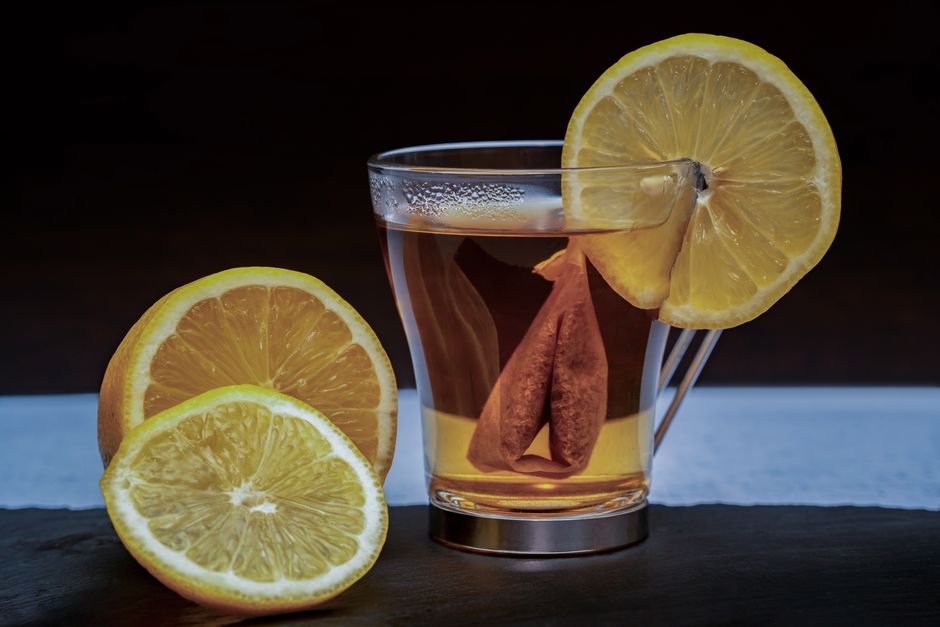
No drink flattens your stomach fast. That is the honest starting point. A flat stomach comes from body fat levels and how your gut handles gas, fluid, and fiber — and no beverage overrides that biology. What drinks can do is help you avoid added bloat, support hydration, and replace higher-calorie options that work against your goal.
If you are looking for a single answer, it does not exist. But some choices are clearly better than others, and the reasons are well understood.
What To Drink To Get A Flat Stomach Fast?
Water is the best default. It has no calories, no added sugar, and no carbonation, and it supports normal digestion and fluid balance. Cold or room temperature makes no meaningful difference.
Beyond water, unsweetened tea and black coffee are reasonable choices. They contain no calories on their own and some people find them easier to drink than plain water. Neither will flatten your stomach on its own. They simply do not add to the problem.
What matters more than any single drink is what you are not drinking. Sugar-sweetened beverages are the biggest liquid source of added sugar in the typical US diet, and they add calories without helping you feel full. Cutting them is one of the more reliable changes you can make.
Here is the part most people miss: a visibly bloated stomach and a fat stomach are different problems. Bloating is gas and fluid in the gut. Fat is stored energy. Drinks can affect the first within hours. They do not meaningfully change the second quickly.
Why No Drink Can Flatten Your Stomach Fast
Stomach flatness depends on two things: how much fat sits under the skin and around the organs, and how much gas or fluid is distending the gut. Neither responds quickly to a beverage.
Fat loss requires a sustained calorie deficit. The commonly cited rate of about 1 to 2 pounds per week is a reasonable general guide for safe weight loss, and it reflects the scale of energy balance involved. No drink changes that math. Products marketed as fat-burning drinks or detox teas do not have large human trials behind them showing meaningful fat loss.
Bloating is different and can shift within a day. Gas builds up when gut bacteria ferment certain carbohydrates, and fluid can shift with sodium intake and hormones. A drink can influence this — mostly by not adding to it, and in some cases by easing it.
One clarification worth holding onto: “detox” is a marketing term, not a physiological one. Your liver and kidneys already handle waste removal. No tea, juice, or water additive makes them work better in a way that flattens your stomach.
Which Drinks Help With Bloating?
Plain water is the most reliable choice for bloat-prone people. Staying hydrated supports normal bowel function, and constipation is a common and often overlooked cause of abdominal distension.
Peppermint tea has some evidence behind it for digestive discomfort. Some studies suggest peppermint may help relax the smooth muscle of the gut, and it has been studied in the context of irritable bowel syndrome. The evidence is not strong enough to call it a treatment, but it is a reasonable, low-risk option for mild bloating.
Ginger tea is often used for nausea and general digestive upset. The evidence for bloating specifically is limited. It is not harmful for most people, but do not expect it to flatten anything on its own.
Fennel tea is a traditional remedy for gas and bloating. Some small studies suggest it may help, but the evidence is limited and not definitive.
What to avoid when you are bloated matters as much as what to drink. Carbonated drinks add gas directly to your gut. Very sweet drinks, including fruit juice, can draw fluid into the intestine and worsen distension in some people.
What About Carbonated Water, Kombucha, and Probiotic Drinks?
Carbonated water is hydrating, but the bubbles are gas. For people prone to bloating, sparkling water can make distension worse. If it does not bother you, it is a fine substitute for sugary soda. If you bloat easily, still water is the safer bet.
Kombucha and other fermented drinks contain live cultures, and the evidence on probiotics for bloating is mixed. Some studies suggest certain strains may reduce bloating symptoms in some people, while others show little effect. Results vary by strain, dose, and the individual. No clinical evidence currently confirms that any kombucha product flattens the stomach.
Probiotic drinks also often contain added sugar or fruit juice, which can offset any benefit. Read the label. “Probiotic” on the front does not tell you the strain, the dose, or whether it has been studied.
One more point: starting a probiotic suddenly can cause temporary gas and bloating in some people. If you are trying one, give your gut time to adjust rather than judging it in a day.
Which Drinks Make Bloating and Belly Fat Worse?
Sugar-sweetened sodas, sweetened teas, energy drinks, and fruit juice are the main culprits. They deliver calories in liquid form, which tends to be less satisfying than solid food, so they add energy without curbing appetite much.
Alcohol is worth calling out separately. It adds calories, and it can promote fluid retention and digestive irritation in some people. Heavy drinking is also associated with fat accumulation around the organs, though the relationship is complex and dose-dependent.
Diet sodas are a gray area. They have no calories, so they do not add energy. Whether artificial sweeteners affect gut bacteria or bloating in a meaningful way is still being studied, and the evidence is not settled. They are not a proven cause of belly fat, and they are not a proven solution either.
Here is a comparison of common choices:
| Drink | Calories | Carbonated | Effect on bloating |
|---|---|---|---|
| Plain water | 0 | No | Neutral to helpful |
| Unsweetened tea | 0 | No | Neutral; peppermint may help some |
| Black coffee | ~0 | No | Neutral |
| Sparkling water | 0 | Yes | Can worsen gas in some |
| Soda (regular) | High | Yes | Can worsen; adds calories |
| Fruit juice | Moderate to high | No | Can worsen in some |
| Kombucha | Varies | Often yes | Mixed evidence |
What Actually Works for a Flatter Stomach
Drinks are a small part of the picture. The bigger levers are well established.
- Calorie balance. Fat loss requires eating and drinking fewer calories than you burn. This is the core of it.
- Fiber and protein. Both help you feel full, which makes a calorie deficit easier to sustain.
- Regular movement. Physical activity supports energy balance and general health.
- Managing constipation. Regular bowel movements reduce distension. Fluid and fiber both matter here.
- Identifying trigger foods. For some people, certain carbohydrates cause gas. A food diary can help you spot patterns.
If bloating is persistent, painful, or comes with other symptoms like changes in bowel habits or unexplained weight loss, see a clinician. Bloating can have causes that need medical attention, and it should not be assumed to be a diet problem.
There is no shortcut through a drink. The honest path is hydration, fewer sugary liquids, and the slower work of fat loss and gut comfort.
Frequently Asked Questions
What is the fastest drink to get a flat stomach?
Water is the safest and most reliable choice because it adds no calories and no gas. No drink flattens the stomach quickly on its own.
Does lemon water flatten your stomach?
No. Lemon water is hydrating and low in calories, but no evidence shows it reduces belly fat or bloating beyond the water itself.
Can drinking water reduce bloating?
It can help if constipation is contributing to your bloating, since fluid supports normal bowel function. It will not reduce gas from carbonated drinks or certain foods.
Is sparkling water bad for bloating?
It can worsen bloating in people who are sensitive to gas, because the bubbles add gas to the gut. Still water is the safer choice if you bloat easily.
