
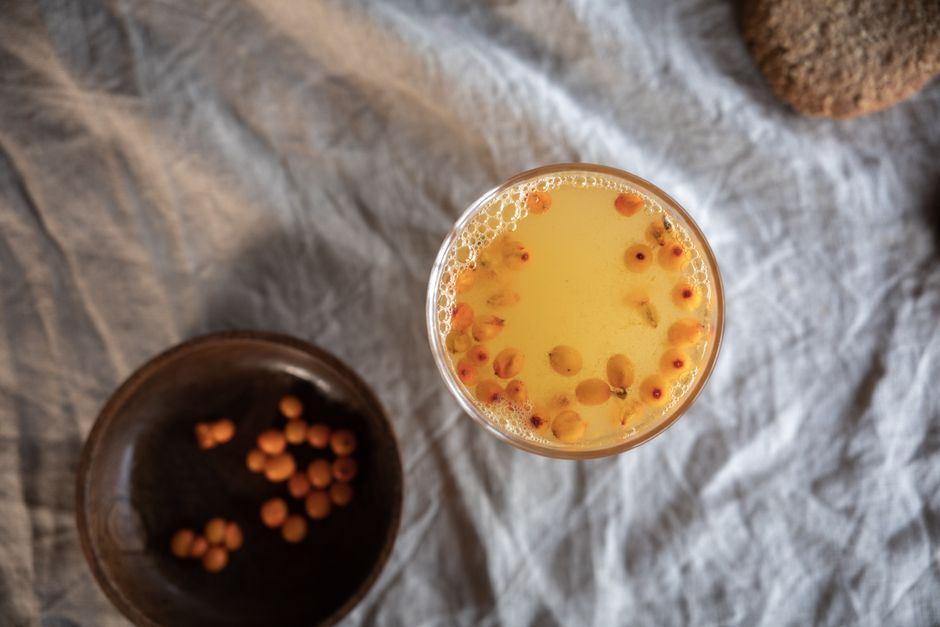
No drink can “boost” your immune system in the way supplement ads suggest. Your immune system is not a muscle you can flex bigger with the right beverage. It is a complex network of cells, tissues, and proteins that already works constantly to defend you. What drinks can do is support that system by supplying fluids and specific nutrients your immune cells need to function normally. Water, unsweetened tea, and drinks with vitamin C or vitamin D fit that description. Sugary sodas and heavy alcohol do the opposite.
What To Drink To Boost Your Immune System?
The most honest answer is water first, then drinks that deliver nutrients your immune cells actually use.
Your immune system depends on steady hydration. Blood and lymph — the fluid that carries immune cells through your body — are mostly water. When you are dehydrated, that transport system works less efficiently. There is no single “immune drink” that outperforms plain water for basic hydration.
Beyond water, a few categories have real supporting evidence:
- Water — supports every cell and fluid in your body, including immune cells
- Unsweetened green or black tea — contains polyphenols studied for immune-related effects
- Citrus juices in moderation — provide vitamin C, though whole fruit is better
- Fortified milk or plant milks — often contain vitamin D, which immune cells use
- Vegetable juices with no added sugar — supply vitamin C, folate, and other nutrients
Notice what is missing. No juice cleanse. No “immunity shot” sold at the checkout counter. No alkaline water. Those products have no clinical evidence showing they strengthen immune function in healthy people.
Does Vitamin C In Drinks Actually Help Your Immune System?
Vitamin C does support immune function. That part is well established. It helps certain immune cells work and acts as an antioxidant.
What is not established is that drinking extra vitamin C prevents you from getting sick. Research on vitamin C and the common cold has been done for decades. For most people, taking vitamin C regularly does not reduce how often they get colds. It may slightly shorten how long a cold lasts, but the effect is small.
The key point: your body needs vitamin C, but more is not better for immunity. Once you meet your daily requirement, extra vitamin C in a drink does not give your immune system a further push.
Good drink sources include:
- Orange juice — one cup provides well over the daily vitamin C requirement for adults
- Grapefruit juice
- Tomato juice
- Fortified juices
One caution. Juice also contains sugar and lacks the fiber of whole fruit. For most adults, eating an orange beats drinking a glass of orange juice. The vitamin C is similar. The sugar load is not.
Can Tea And Other Drinks Support Immune Function?
Tea contains compounds called polyphenols, including one called EGCG found in green tea. Laboratory studies show these compounds can affect immune cells. Whether that translates into fewer infections in real people is less clear.
Some studies suggest regular tea drinkers may have modestly better immune markers. The evidence is not strong enough to say tea prevents illness. What tea does offer reliably is hydration without sugar or calories.
Other drinks sometimes mentioned for immune support include:
- Ginger tea — ginger has anti-inflammatory compounds, but human trials on immune outcomes are limited
- Turmeric drinks — curcumin is studied for inflammation, but absorption from drinks is poor
- Echinacea tea — evidence on preventing colds is mixed and inconsistent
- Elderberry drinks — some small studies suggest shorter cold duration, but results vary and larger trials are needed
None of these are harmful in normal amounts. None are proven to strengthen immunity in a meaningful way. If you enjoy them, drink them. Do not expect them to keep you from getting sick.





What About Vitamin D And Zinc In Drinks?
Vitamin D plays a real role in immune function. Immune cells have vitamin D receptors, and deficiency is linked to poorer immune response. Many adults in the US do not get enough vitamin D from sun and food alone.
Fortified drinks are a practical source:
- Fortified cow’s milk
- Fortified soy, almond, or oat milk
- Fortified orange juice
Zinc is another nutrient immune cells need. It is found in food more than drinks, though some fortified beverages include it. Zinc deficiency impairs immunity, but taking extra zinc when you already have enough does not improve it. High-dose zinc supplements can cause nausea and other side effects and can interfere with copper absorption.
If you think you may be deficient in vitamin D or zinc, that is a conversation for your doctor. Testing exists and is the right way to know.
Which Drinks Weaken Your Immune System?
Alcohol is the clearest example. Heavy and chronic drinking impairs immune function. It reduces the number and function of several types of immune cells and weakens the body’s ability to fight infections. People who drink heavily are more prone to pneumonia and other infections.
Sugary drinks are a second concern. Diets high in added sugar are linked to chronic inflammation and poorer metabolic health. Chronic inflammation can wear on immune function over time. This is a long-term pattern, not a single soda.
Energy drinks combine sugar and high caffeine. Caffeine in normal amounts is not known to harm immunity. The sugar and the overall pattern are the issue.
What to limit:
- Heavy or frequent alcohol
- Sugary sodas and sweetened juices
- Drinks marketed as “immune boosters” with no evidence behind them
Do Immunity Drinks And Shots Work?
No clinical evidence confirms that commercial “immunity” shots and drinks strengthen your immune system. Most contain vitamin C, sometimes zinc, and a blend of herbs. The doses are often low. The marketing is often louder than the science.
Some ingredients have been studied. Elderberry, echinacea, and zinc lozenges have been examined for cold treatment, with mixed results. None have strong evidence for preventing illness in healthy adults.
If you want to spend money on immune support, the better investments are sleep, a varied diet, regular movement, and managing stress. Those have far more evidence behind them than any bottled drink.
What Actually Supports Your Immune System?
Drinks are one small piece. The bigger picture matters more.
Your immune system works best when you:
- Sleep enough — most adults need 7 or more hours
- Eat a varied diet with fruits, vegetables, and enough protein
- Stay physically active
- Manage chronic stress
- Stay up to date on recommended vaccines
- Avoid smoking and limit alcohol
Hydration supports all of this. When you are well hydrated, your body can do its job. Plain water is the simplest and cheapest way to get there. Add tea, fortified milk, or a modest amount of juice for variety and nutrients.
One non-obvious point. Your gut is home to a large share of your immune tissue. What you drink affects your gut environment. Drinks with fiber, like some smoothies made with whole fruit, feed gut bacteria. Drinks with lots of sugar do not. That is another reason whole-food versions beat juices and sweetened beverages.
Frequently Asked Questions
What is the best drink to boost your immune system?
Water is the best everyday choice because hydration supports every immune function. Unsweetened tea and fortified milk are good additions for polyphenols and vitamin D.
Does orange juice really help your immune system?
Orange juice provides vitamin C, which your immune cells need to function. But drinking extra vitamin C does not prevent most people from getting sick, and whole oranges are a better choice than juice because of the fiber.
Can drinking alcohol weaken your immune system?
Yes. Heavy and chronic alcohol use impairs immune cell function and raises the risk of infections like pneumonia. Occasional light drinking is not the same as heavy use, but there is no immune benefit to alcohol.
Do immunity shots from the store actually work?
No clinical evidence confirms that commercial immunity shots strengthen your immune system. Most contain low doses of vitamin C and herbs with mixed or weak evidence for preventing illness.
