
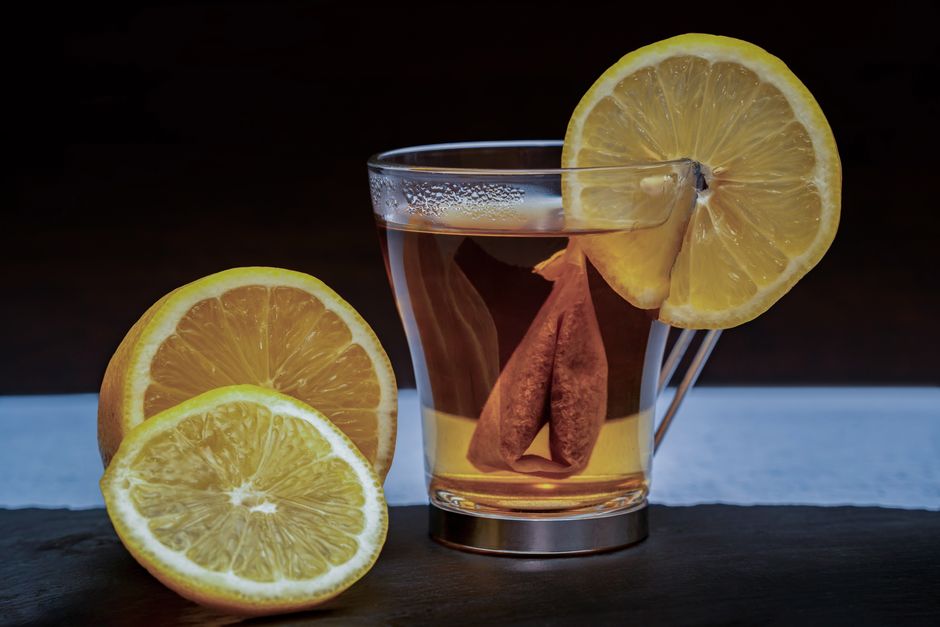
What you drink after a meal can support digestion, interfere with it, or do almost nothing at all. The most reliable choice for most healthy adults is plain water, still or lightly carbonated, in normal amounts. Warm water or herbal tea without added sugar is a reasonable alternative. Alcohol, large amounts of coffee, and sugary sodas are the drinks most likely to work against comfortable digestion.
That answer sounds simple, and it is. But the reasons behind it matter, because a lot of digestive claims attached to specific drinks do not hold up under scrutiny. Some do. Many do not.
Does Water Actually Help You Digest Food?
Yes, and the reason is basic physiology rather than any special property of water. Digestion depends on fluid. Your stomach produces hydrochloric acid and digestive enzymes, and your small intestine moves a watery mixture of food and secretions along its length. Water is the medium all of that happens in.
The human body is roughly 60% water, and the digestive tract is one of the places that fluid gets used continuously. Your saliva starts breaking down food before you swallow. Your stomach churns food into a semi-liquid substance called chyme. Your intestines absorb nutrients out of that liquid environment. None of this works well when you are dehydrated.
Here is the part many people get wrong: drinking water with or after a meal does not “dilute” your stomach acid in any meaningful way. Your stomach adjusts its acid production to the food it receives. Normal amounts of water do not stop digestion or slow it down in a healthy person. This is one of the most persistent myths in digestive health.
The practical takeaway is unglamorous. If you are well hydrated across the day, your digestive system has what it needs. A glass of water after a meal is a fine habit. It is not a treatment for anything.
What Is the Best Thing to Drink After a Meal to Help Digestion?
Plain water is the best default. It adds fluid without adding sugar, alcohol, or stimulants that can affect how your stomach and intestines feel.
Temperature is largely a personal preference. There is a long-standing belief in some traditions that warm or room-temperature water is easier on digestion than cold water. The evidence for a meaningful difference is thin. Cold water can feel uncomfortable for some people, particularly those with sensitive stomachs or a condition like acid reflux, but there is no strong evidence it impairs digestion in healthy adults.
If plain water is unappealing, these are reasonable options after a meal:
- Still water — the simplest choice, no additives
- Sparkling water — fine for most people, though carbonation can cause bloating or belching in some
- Plain herbal tea — peppermint, ginger, or chamomile, without sugar or honey if you are watching blood sugar
- Unsweetened green tea — contains caffeine, so timing matters later in the day
Notice what is not on the list: juices, sweetened teas, sports drinks, and sodas. They are not dangerous in small amounts, but they add sugar and calories without helping digestion. Some people find that very sweet drinks leave them feeling sluggish or bloated after a heavy meal.
Do Herbal Teas Like Peppermint and Ginger Help Digestion?
Some evidence supports specific herbs for specific symptoms, though the research is not as strong as marketing often suggests. It helps to separate the well-studied uses from the vague claims.
Peppermint has the most consistent evidence for digestive symptoms. Peppermint oil has been studied for irritable bowel syndrome and appears to relax smooth muscle in the gut, which can ease cramping and spasms. Peppermint tea is a much weaker preparation than the concentrated oil used in studies, so it is reasonable to expect a mild effect at most. If you have acid reflux, peppermint can make it worse by relaxing the valve between your stomach and esophagus.
Ginger has reasonable evidence for nausea. It is used for motion sickness and some types of stomach upset. Whether it speeds up digestion after a normal meal is less clear. Ginger tea after a heavy meal is a common traditional remedy, and it is unlikely to cause harm for most people, but do not expect it to undo the effects of overeating.
Chamomile is often recommended for calming the digestive tract. The evidence for specific digestive benefits is limited. It is a pleasant, caffeine-free drink that some people find soothing, which is a fair way to describe it.
One clarification worth making: herbal teas are not automatically free of interactions. Some herbs affect medications or are not appropriate during pregnancy. If you take prescription drugs or are pregnant, check with a clinician before using herbal teas regularly.




What Should You Avoid Drinking After a Meal?
Some drinks are more likely to cause discomfort than others. This is about likelihood, not certainty, because individual responses vary.
Alcohol is the clearest example. It can relax the lower esophageal sphincter, the valve that keeps stomach contents from flowing back up. That can worsen reflux and heartburn. Heavy drinking is also associated with inflammation of the stomach lining. A single drink after dinner will not derail digestion for most people, but alcohol is not a digestive aid, despite old beliefs about aperitifs.
Coffee stimulates the colon and can trigger a bowel movement in some people. That is not the same as improving digestion. Coffee is acidic and can irritate the stomach in people who are sensitive, and its caffeine can worsen reflux. If coffee does not bother you, a cup after a meal is fine. If you have reflux or an sensitive stomach, it may not be.
Sugary drinks — soda, sweetened juice, sweet tea — add a large amount of sugar quickly. For people with diabetes or insulin resistance, this matters for blood sugar control. For everyone, they add calories without nutritional benefit. Some people also find carbonated sugary drinks cause bloating.
Very large amounts of any liquid right after a meal can make you feel overly full, especially if you already ate a lot. This is about comfort, not a digestive problem.
Does Timing Matter — Before, During, or After a Meal?
For most healthy people, timing is not critical. Your body manages fluid balance across the day, so whether you drink with your meal or between meals makes little difference to digestion.
There are a few situations where timing is worth attention. People with acid reflux sometimes find that drinking large volumes with meals increases fullness and pressure, which can worsen symptoms. Some people with a sensitive stomach prefer to drink less during meals and more between them. This is a comfort adjustment, not a rule.
If you take medications with food, follow the instructions on the label or from your pharmacist about what to drink and how much. Some drugs need to be taken with a full glass of water, and some interact with specific beverages like grapefruit juice.
The bigger picture matters more than the timing of a single glass. Staying hydrated throughout the day supports digestion more reliably than any drink you have at one specific moment.
When Should Digestive Symptoms Prompt a Doctor Visit?
Occasional bloating, mild heartburn, or a heavy feeling after a large meal is common and usually not a sign of anything serious. Symptoms that are persistent, severe, or come with warning signs deserve medical attention.
See a clinician if you notice:
- Difficulty swallowing or food getting stuck
- Persistent vomiting or vomiting blood
- Blood in your stool or black, tarry stools
- Unintentional weight loss
- Ongoing pain in your abdomen
- Heartburn that happens frequently or does not respond to over-the-counter treatment
These signs can point to conditions that need diagnosis and treatment. No drink, herbal tea, or home remedy substitutes for proper medical evaluation when symptoms are persistent or concerning.
It is also worth being honest about the limits of this topic. Drinks can support normal digestion by keeping you hydrated and by not adding irritants. They do not fix underlying digestive conditions. If you have an ongoing problem, the answer is not a better beverage. It is a conversation with a doctor.
Frequently Asked Questions
What is the best drink to have after a meal for digestion?
Plain water is the best default because it adds fluid without sugar, alcohol, or caffeine. Warm water or unsweetened herbal tea are reasonable alternatives if you prefer something else.
Does drinking water with a meal dilute stomach acid?
No, normal amounts of water do not meaningfully dilute stomach acid or slow digestion in healthy people. Your stomach adjusts its acid production based on the food it receives.
Is peppermint tea good for digestion?
Peppermint has some evidence for easing digestive cramping and IBS symptoms, mostly studied as peppermint oil rather than tea. If you have acid reflux, peppermint can make it worse.
Should I drink cold or warm water after eating?
Temperature is mostly a personal preference, and there is no strong evidence that cold water impairs digestion in healthy adults. Some people with sensitive stomachs or reflux find warm water more comfortable.
