
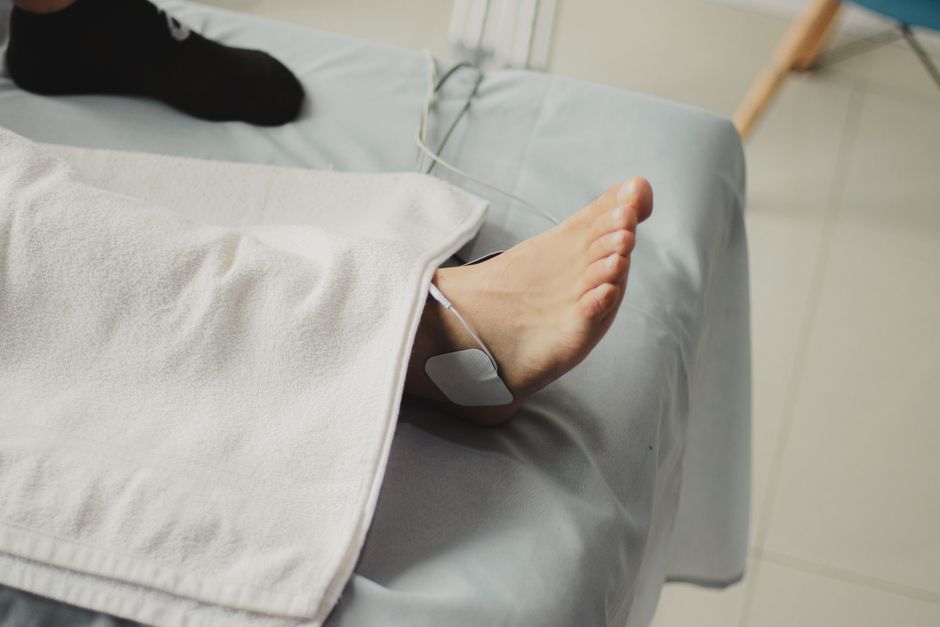
Shin splints are one of the most common running injuries, and most cases improve with rest, activity modification, and a gradual return to training. The medical term is medial tibial stress syndrome, or MTSS. It causes pain along the inner edge of the shinbone, usually where the muscles and connective tissue attach to the bone. It is not the same as a stress fracture, and treating it like one — or ignoring it like a minor ache — can both cause problems.
What To Do With Shin Splints Treatment And Recovery?
Treatment starts with reducing the load on your shins. That means cutting back on the activity that caused the pain, not pushing through it. Most people recover with relative rest, ice, and a careful return to running over several weeks.
The word “relative” matters here. Complete bed rest is rarely needed and can make things worse by deconditioning the muscles that support the shin. Relative rest means you keep moving, but you swap high-impact running for low-impact activity like swimming or cycling while the pain settles.
Ice can help with pain in the early days. Apply it for short periods, and always put a cloth between the ice and your skin. Anti-inflammatory medications like ibuprofen may reduce soreness, but they do not speed healing, and using them to mask pain so you can keep running tends to backfire.
What you should not do is run through sharp pain. Dull soreness that fades as you warm up is one thing. Pain that gets worse with each step, or that lingers after you stop, is a signal to stop and reassess.
What Actually Causes Shin Splints?
Shin splints happen when the tissue attaching muscle to the shinbone is overloaded. The tibia is the large bone in the lower leg. Along its inner edge, several muscles and their connective tissue attach. When you run, jump, or change direction repeatedly, those attachment points take repeated stress.
When the stress arrives faster than the tissue can adapt, the area becomes inflamed and painful. This is a classic overuse injury. It builds up over days or weeks rather than appearing after one bad step.
Several things raise the risk:
- A sudden jump in training volume or intensity
- Running on hard or uneven surfaces
- Worn-out or unsuitable footwear
- Flat feet or very high arches, which change how force travels up the leg
- Weak hip and calf muscles
- Low bone density or inadequate nutrition
One point worth clarifying: shin splints and stress fractures are different injuries, even though both cause shin pain. A stress fracture is a small crack in the bone itself. It usually causes pain in a more focused spot, and the pain often worsens with activity and may persist at rest. If your pain is pinpoint and getting worse, that needs medical evaluation, not home treatment. Imaging may be needed to tell the two apart.
How Long Does It Take To Recover From Shin Splints?
Most cases improve within a few weeks with load management. Recovery time depends on how long the problem has been building and how much you rest from the aggravating activity.
This is an area where people get impatient. The tissue needs time to adapt, and returning to full training too soon is the most common reason shin splints come back. A gradual return — shorter runs, slower pace, more rest days — gives the tissue a chance to rebuild tolerance.
If pain is not improving after a few weeks of sensible load reduction, or if it is getting worse, see a clinician. Persistent shin pain can point to a stress fracture or another condition that needs a different approach. Do not assume every shin pain is shin splints.
There is no fixed timeline that applies to everyone. Some people recover in two to three weeks. Others take longer, especially if they kept training through early symptoms. The honest answer is that recovery tracks how well you manage load, not the calendar.
Should You Keep Running With Shin Splints?
No. Continuing to run through shin splint pain usually makes it worse and lengthens recovery. The exception is mild soreness that eases as you warm up and does not worsen over a run — but even that is a warning sign worth respecting.
A practical approach is to reduce running to a level that does not increase pain. That might mean fewer miles, slower pace, or switching some sessions to low-impact cross-training. If pain increases during or after a run, you did too much.
The pain scale most clinicians use is simple:
- Pain that stays mild and does not worsen during activity — usually acceptable
- Pain that increases as you run — stop and cut back
- Pain that lingers after activity or appears at rest — rest fully and get evaluated
This is not a license to run through discomfort. It is a way to keep some training stimulus while letting the tissue calm down. When in doubt, back off.
What Exercises Help Shin Splints Heal?
Strengthening the muscles around the shin, calf, and hip helps many people recover and reduces the chance of recurrence. The evidence for specific exercise programs is not as strong as the evidence for load management, but strengthening is widely used in clinical practice and is generally low risk.
Commonly recommended exercises include:
- Calf raises, done slowly and progressively
- Toe raises and toe taps to work the muscles along the shin
- Hip strengthening, such as side-lying leg lifts and clamshells
- Single-leg balance work to improve control
Start gently and build gradually. If an exercise increases shin pain, scale it back. These exercises support recovery — they are not a substitute for reducing the running load that caused the problem.
Some clinicians also recommend orthotics or shoe inserts for people with flat feet or specific foot mechanics. The evidence here is mixed. Some people report improvement, but results vary, and inserts do not address training errors, which are often the real driver.
How Can You Prevent Shin Splints From Coming Back?
Prevention comes down to managing training load and building tissue tolerance. Most recurrences trace back to the same mistakes that caused the original injury.
Practical steps include:
- Increase weekly mileage gradually rather than in jumps
- Avoid sudden spikes in speed work or hill running
- Replace running shoes when they wear out
- Include strength training for the calves, shins, and hips
- Mix in low-impact cross-training to reduce repetitive pounding
- Take rest days seriously
The single most useful habit is paying attention to early warning signs. Shin splints rarely appear out of nowhere. Most people can recall a period of increased training or a change in surface or shoes before symptoms started. Catching it early makes recovery shorter and easier.
Nutrition and bone health matter too. Adequate calcium and vitamin D support bone strength, and low energy availability — not eating enough to fuel training — is linked to bone stress injuries in athletes. If you train hard and restrict food intake, that combination raises risk.
When Should You See A Doctor For Shin Pain?
See a clinician if the pain is severe, pinpoint, getting worse, or not improving after a few weeks of rest and load reduction. Those features can suggest a stress fracture or another condition that needs different care.
Other reasons to seek evaluation:
- Pain that persists at rest or at night
- Swelling, redness, or warmth along the shin
- Numbness or weakness in the leg or foot
- Pain after a specific injury or fall
- A history of stress fractures
Shin pain has several possible causes, and they do not all respond to the same treatment. A stress fracture, for example, usually requires a period of protected weight-bearing and sometimes immobilization. Treating it as ordinary shin splints and running on it can lead to a worse injury.
Getting an accurate diagnosis early is worth the appointment. It is far easier to manage a mild case than a fracture that has had weeks of continued loading.
Frequently Asked Questions
How long do shin splints usually take to heal?
Most cases improve within a few weeks when you reduce the activity that caused them. Recovery depends on how long the problem built up and how consistently you manage your training load.
Can I run with shin splints?
You should not run through pain that worsens during activity or lingers afterward. Mild soreness that eases as you warm up may be tolerable, but increasing pain is a sign to stop and cut back.
What is the difference between shin splints and a stress fracture?
Shin splints involve the tissue where muscles attach to the shinbone, causing pain along a broader area. A stress fracture is a small crack in the bone itself, usually causing sharper, more pinpoint pain that may persist at rest.
When should I see a doctor for shin pain?
See a clinician if the pain is severe, pinpoint, worsening, or not improving after a few weeks of rest. Pain at rest, swelling, or numbness also warrants an evaluation.
