
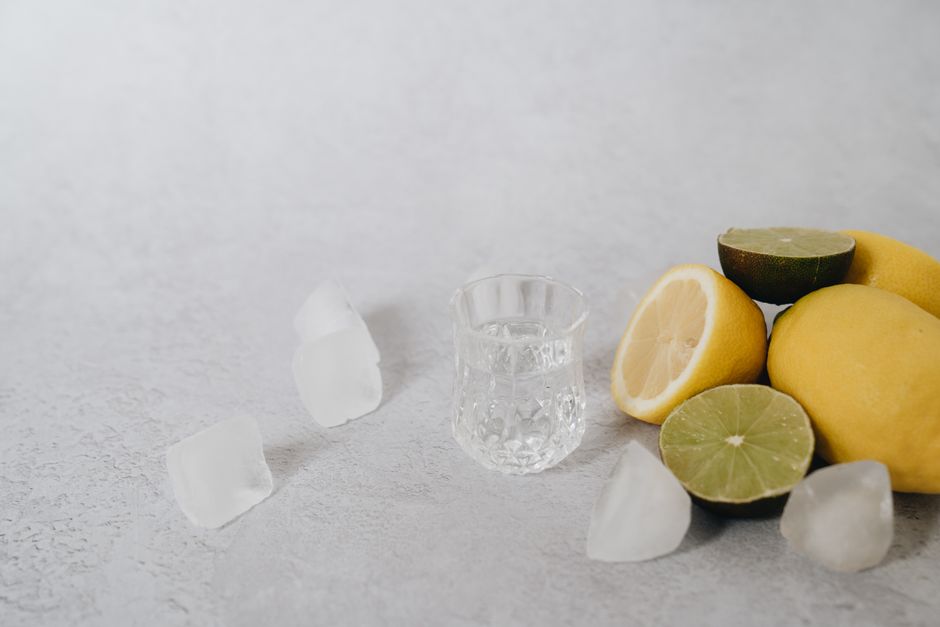
Lemons and limes are acidic citrus fruits you can use in cooking, cleaning, and some home health routines — but they are not a substitute for medical treatment. The most reliable uses are culinary: adding flavor, replacing salt, and supplying vitamin C. For health, they support hydration and can help you cut back on salt and sugar. For the home, their acid and oils make them useful for light cleaning and deodorizing. What they cannot do is cure infections, treat disease, or replace prescribed medicine. Knowing where the real benefits end and the marketing begins is the whole point.
What To Do With Lemons And Limes for Food and Drink?
Use them as you would any seasoning: to add brightness and reduce the need for salt and sugar. That is their most evidence-supported role in a healthy diet.
Lemon and lime juice are high in vitamin C and provide acidity that lifts the flavor of vegetables, fish, beans, and grains. A squeeze of either can make a low-salt dish taste fuller. This matters because most Americans eat more sodium than recommended, and replacing some salt with acid is a practical way to cut back without losing flavor.
Here are straightforward culinary uses:
- Squeeze over cooked vegetables, salads, and grain bowls in place of salt.
- Use the zest (the colored outer peel) for aroma in baking, marinades, and dressings.
- Add juice to water, sparkling water, or unsweetened tea for flavor without sugar.
- Use as a marinade for chicken or fish — the acid tenderizes and adds flavor.
- Brighten soups, sauces, and dressings with a small amount at the end of cooking.
One clarification worth knowing: the vitamin C in these fruits is real, but it is heat-sensitive. Cooking with lemon or lime juice reduces some of that vitamin C. If vitamin C is your main goal, fresh raw juice and zest are the better choice.
Do Lemons and Limes Have Real Health Benefits?
They provide genuine nutrients, but the health claims attached to them are often far ahead of the evidence. Vitamin C is the clearest benefit, and it is well established.
Vitamin C supports normal immune function and helps the body absorb iron from plant foods. Eating a vitamin C source alongside iron-rich foods like beans or spinach can improve iron absorption. That is a real, documented effect — not a marketing claim.
The fruits also contain small amounts of potassium, folate, and plant compounds called flavonoids. These are part of a healthy diet, but the amounts in a squeeze of juice are modest. The bigger picture is that citrus fits into an overall eating pattern rich in fruits and vegetables, which research consistently links to better health outcomes.
Where the evidence gets thinner is in the specific claims. Lemon water for weight loss? No strong human trials support that lemon itself causes weight loss. Alkaline water or “detox” claims? The body regulates its own pH tightly through the kidneys and lungs; food does not meaningfully change blood pH, and there is no evidence citrus “detoxifies” anything. Some studies suggest citrus flavonoids have antioxidant activity in the lab, but lab findings do not automatically translate into clinical benefits in people.
Can Lemon or Lime Water Help With Hydration?
Yes — mainly because it makes plain water easier to drink. The benefit comes from the water, not from a special property of the fruit.
Many people find plain water boring and drink less of it. Adding a squeeze of lemon or lime gives flavor without sugar or calories, which can help you drink more throughout the day. That is a simple, honest benefit.
There is a persistent claim that lemon water “alkalizes” the body or boosts metabolism. Neither is supported by good evidence. Your body maintains blood pH within a narrow range regardless of what you eat. And while some small studies have looked at citrus and metabolism, no solid human trials show that lemon water meaningfully increases calorie burning.
If you enjoy it and it helps you stay hydrated, that is reason enough. Just do not expect more than hydration and flavor.
What Are the Home Uses for Lemons and Limes?
Their acid and natural oils make them useful for light cleaning and deodorizing around the house. These are practical, low-risk uses — not disinfectant-grade claims.
Lemon juice is acidic enough to help break down some light mineral deposits and greasy films. It is commonly used to:
- Deodorize a microwave by heating a bowl of water with lemon slices inside.
- Freshen a garbage disposal by running citrus peels through it.
- Remove light water spots or films from some surfaces.
- Add a fresh scent to cleaning water.
Be realistic about limits. Lemon juice is not a reliable disinfectant. It does not kill all germs, and it should not be used to sanitize food-contact surfaces, baby items, or anything where infection control matters. For those jobs, use products labeled as disinfectants or follow public health guidance.
Also use caution on surfaces. The acid in citrus can dull or damage natural stone like marble and granite, and it can discolor some metals and fabrics. Test a small hidden area first.
Are Lemons and Limes Safe to Eat and Use Every Day?
For most people, yes — in normal food amounts. But there are real cautions worth knowing, especially with concentrated juice or frequent direct contact.
The acid in citrus can wear down tooth enamel over time, especially if you sip lemon water all day or brush right after. To reduce the risk, drink citrus water with a meal or through a straw, rinse with plain water afterward, and wait before brushing. This is a well-recognized dental concern, not a rare one.
Citrus can also irritate skin. Some plant compounds in citrus peels can cause a reaction called phytophotodermatitis — a rash triggered when citrus juice or peel on the skin is exposed to sunlight. If you are squeezing limes outdoors or using citrus in skin care, wash your hands and avoid sun exposure on those areas.
A few groups should be more careful. People with acid reflux or GERD may find citrus worsens symptoms. Anyone with a citrus allergy should avoid it. And because lemon and lime juice are acidic, they can interact with certain medications and affect how some drugs are absorbed — if you take prescription medicine regularly and drink large amounts of citrus juice, it is worth asking a pharmacist.
For children and pregnant women, citrus in normal food amounts is generally fine as part of a balanced diet, but there are no special clinical guidelines recommending concentrated citrus juice or supplements for these groups. Whole fruit and normal cooking amounts are the sensible approach.
What Should You Not Expect Lemons and Limes to Do?
They will not cure infections, treat disease, or replace medical care. This is where most viral claims go wrong, and it is worth saying plainly.
You may have seen claims that lemon water fights cancer, dissolves kidney stones, or “detoxes” the liver. None of these are supported by reliable human evidence. The body’s liver and kidneys handle detoxification on their own. Lemon juice does not dissolve kidney stones; in fact, some research has looked at citrate (found in citrus) in relation to stone prevention, but drinking lemon water is not an established treatment, and anyone with a history of stones should follow their doctor’s advice.
Similarly, lemon or lime juice applied to the skin will not treat acne, infections, or wounds — and it can irritate or burn skin, especially in sunlight. Do not use citrus juice on cuts, burns, or rashes.
The honest summary: lemons and limes are healthy, versatile fruits with real culinary value and modest nutritional benefits. Use them in food and drink, use them for light household cleaning, and enjoy them. Just keep expectations matched to what the evidence actually shows.
Frequently Asked Questions
Is drinking lemon water every day good for you?
It is fine for most people and can help you drink more water, but the benefit comes from hydration, not special properties of the lemon. Drink it with meals or through a straw and rinse afterward to protect tooth enamel.
Can lemon juice really clean and disinfect surfaces?
Lemon juice can help with light cleaning and deodorizing, but it is not a reliable disinfectant. Use products labeled as disinfectants for anything where germ control matters.
Does lemon water help with weight loss?
No strong human evidence shows that lemon itself causes weight loss. Replacing sugary drinks with lemon water can help cut calories, but the effect comes from the swap, not the fruit.
Are lemons and limes bad for your teeth?
The acid can wear down tooth enamel over time, especially with frequent sipping. Drink citrus water with meals or through a straw, rinse with plain water afterward, and wait before brushing.
