
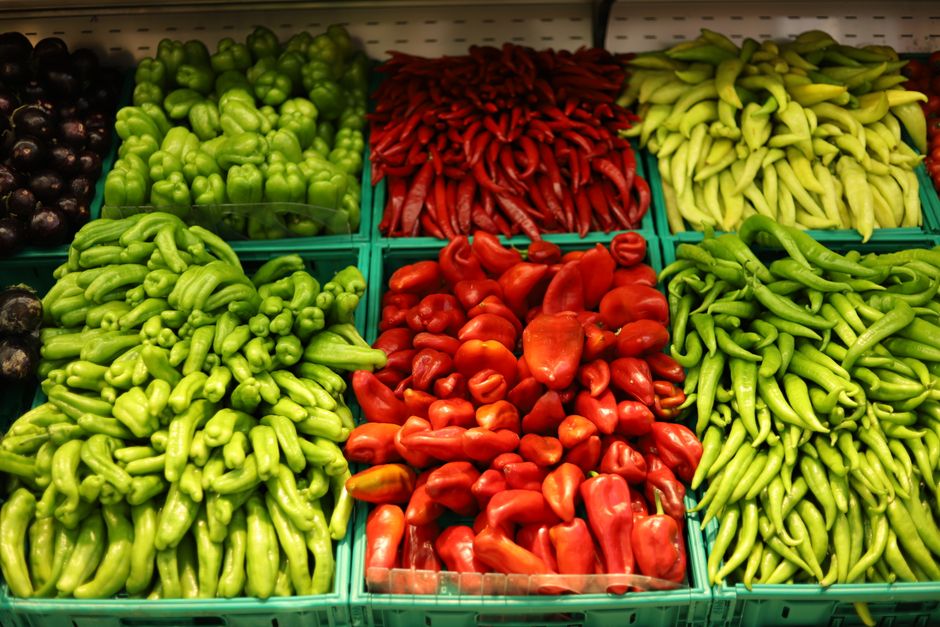
Jalapeños are one of the most versatile chili peppers in the kitchen. You can eat them raw, roast them, pickle them, stuff them, or blend them into sauces. They also freeze well, so a big harvest or a bulk-store bag won’t go to waste. What you do with them mostly comes down to how much heat you want and how much time you have.
Jalapeños are mild-to-medium chili peppers. Their heat comes from capsaicin, a compound concentrated in the white pith and seeds inside the pepper. Removing those parts lowers the heat. Keeping them raises it. That single fact shapes most of what you can do with the pepper.
How Hot Are Jalapeños Compared to Other Peppers?
Jalapeños sit in the low-to-middle range on the Scoville scale, the standard measure of pepper heat. A jalapeño typically measures between 2,500 and 8,000 Scoville heat units, according to the scale used by chili researchers and the food industry.
That range puts them well above a bell pepper, which registers at zero, and well below a habanero, which runs into the hundreds of thousands of Scoville units. The exact heat of any single jalapeño varies. Growing conditions, ripeness, and the specific plant all affect it. Two peppers from the same bag can taste noticeably different.
One detail many people miss: a jalapeño that has turned red is the same pepper, just fully ripe. Red jalapeños tend to taste slightly sweeter and can be a touch hotter than green ones. Green jalapeños are picked earlier and have a more grassy, vegetal flavor.
What To Do With Jalapenos: The Main Options
The best uses for jalapeños fall into a few clear categories. Each one brings out a different side of the pepper.
- Raw and fresh: Slice them thin for tacos, nachos, sandwiches, and salads. Raw jalapeño keeps its bright flavor and full crunch.
- Roasted or charred: Blister them under a broiler or on a grill. Roasting softens the flesh and adds smokiness. The skin can then be peeled off easily.
- Pickled: Slice and pack into vinegar with salt and a little sugar. Pickled jalapeños keep for months in the refrigerator and are a standard topping for nachos and sandwiches.
- Stuffed: Hollow them out and fill with cheese, then bake or grill. This is the base of classic jalapeño poppers.
- Blended into sauces: Simmer with tomatillos, onion, and garlic for a green salsa, or blend into hot sauce.
- Frozen: Whole, sliced, or chopped jalapeños freeze well for later cooking. Freezing softens them, so they work better in cooked dishes than raw.
Each method changes the pepper’s texture and flavor in different ways. Raw keeps the crunch. Roasting adds depth. Pickling adds tang. None of these methods removes all the heat, though cooking does mellow it somewhat.
How Do You Handle Jalapeños Safely?
Capsaicin is the compound that makes peppers hot, and it can cause real discomfort if it reaches your eyes or skin. The compound is oil-based, so water alone does not wash it away well.
Wear gloves when handling large amounts of jalapeños, especially when cutting many at once or working with the seeds and pith. If you handle them bare-handed, wash your hands thoroughly with soap and water afterward. Soap helps lift the oil in a way that plain water does not.
Avoid touching your face, eyes, or contact lenses until your hands are clean. Capsaicin on the skin can cause a burning sensation that lasts for a while. If it reaches the eyes, it is painful but generally not dangerous. Flushing the eye with cool water is the usual first step. If burning or irritation continues, seek medical advice.
For anyone with sensitive skin, gloves are the simplest precaution. The seeds and white pith hold the most capsaicin, so if you want less heat, remove them before cooking.
Can You Make Jalapeños Less Spicy?
Yes. You can lower the heat of a jalapeño without changing its basic flavor. The capsaicin is concentrated in the white pith and the seeds, so removing those parts cuts the burn substantially.
Slice the pepper open, then scrape out the pith and seeds with a spoon or knife. Rinse the inside. What remains is the flesh, which carries flavor with far less heat. Cooking also softens the bite somewhat, though it does not remove capsaicin entirely.
Dairy is a well-known way to tame heat in a finished dish. Milk, cheese, and yogurt contain fat and a protein called casein that helps carry capsaicin away from the tongue’s receptors. That is one reason jalapeño poppers, which combine peppers with cheese, taste milder than the pepper alone might suggest.
If you want the flavor without much heat at all, look for milder varieties. Some jalapeño cultivars are bred to be less hot. Tasting a small piece before adding a whole pepper to a dish is a practical way to check the heat level.
How Do You Store Jalapeños So They Last?
Fresh jalapeños keep for about one to two weeks in the refrigerator when stored properly. Keep them dry and place them in a paper bag or a loosely closed container in the crisper drawer. Moisture speeds up spoilage, so avoid washing them until you are ready to use them.
For longer storage, freezing is the most reliable option. Wash and dry the peppers, then freeze them whole or sliced in a sealed bag. Frozen jalapeños keep for several months. They lose their crisp texture after thawing, so plan to cook with them rather than eat them raw.
Pickled jalapeños last far longer than fresh ones. Packed in vinegar and kept refrigerated, they hold up for months. Drying is another option. Dried jalapeños, sometimes sold as chipotle when smoked, keep for a long time in an airtight container.
Are Jalapeños Good for You?
Jalapeños are low in calories and a source of vitamin C and vitamin A. One medium pepper contains only a handful of calories, according to USDA nutritional data. They also provide some fiber and small amounts of other nutrients.
Capsaicin has been studied for various effects, including on metabolism and pain sensation. Some research suggests capsaicin may modestly influence appetite or energy use, but the evidence is not strong enough to treat jalapeños as a weight-loss tool. No large human trials confirm that eating jalapeños produces meaningful health outcomes on their own.
The honest position: jalapeños are a flavorful, low-calorie vegetable that fits well into a balanced diet. They are not a medicine. People with digestive conditions such as acid reflux or irritable bowel syndrome may find spicy food aggravates symptoms, and should judge their own tolerance.
Frequently Asked Questions
Can you eat jalapeños raw?
Yes, raw jalapeños are safe to eat and are commonly sliced into salads, tacos, and sandwiches. Wash them first and remove the seeds and pith if you want less heat.
How do you stop your mouth burning after eating a jalapeño?
Drink milk or eat dairy, which contains a protein that helps remove capsaicin from the mouth. Water alone does not work well because capsaicin is oil-based.
Do jalapeños lose heat when cooked?
Cooking softens the burn somewhat but does not remove capsaicin entirely. Removing the seeds and pith before cooking lowers the heat far more than heat itself does.
Can you freeze fresh jalapeños?
Yes, whole or sliced jalapeños freeze well and keep for several months in a sealed bag. They soften after thawing, so use them in cooked dishes rather than raw.
