
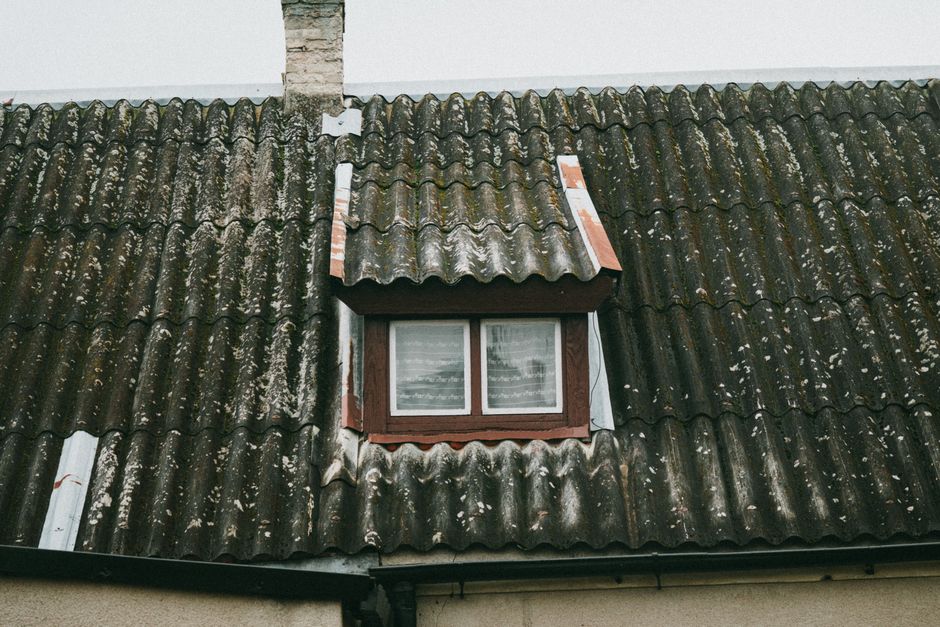
If the asbestos tile is in good condition and undisturbed, leaving it in place and covering it is usually the safer choice. Removal is the right call when the tile is damaged, crumbling, or about to be disturbed by renovation. Either way, the work should be done by a licensed asbestos professional, not by a homeowner.
That is the short answer. The rest comes down to understanding why asbestos tile is different from most home repair problems, what the law requires, and where people get hurt by good intentions.
Why Is Asbestos Tile Considered Dangerous?
Asbestos fibers cause harm when they become airborne and are inhaled. In tile, the asbestos is bound into the material. Intact tile does not release meaningful amounts of fiber.
The danger comes from disturbance. Cutting, sanding, scraping, or breaking tile releases fibers into the air. Those fibers are small enough to stay suspended for hours and small enough to reach deep into the lungs.
The body cannot break down asbestos fibers or clear them efficiently. Over years, retained fibers can cause inflammation and scarring. This is the mechanism behind asbestosis, lung cancer, and mesothelioma. The link between asbestos exposure and these diseases is one of the most established findings in occupational medicine.
Disease risk rises with cumulative exposure. That does not mean a single small exposure is harmless, but it does mean that preventing large releases matters enormously. This is the core reason the advice leans toward leaving intact material alone.
How Do You Know If Your Tile Contains Asbestos?
You cannot tell by looking. Asbestos-containing floor tile looks like ordinary vinyl or asphalt tile. Some tiles from the mid-twentieth century are more likely to contain asbestos, but appearance is not a reliable guide.
Only laboratory testing confirms it. A small sample is taken by a trained person and analyzed by a lab that specializes in asbestos. Home test kits exist, but improper sampling can itself release fibers. Many health and safety agencies recommend having a professional take the sample.
Asbestos was used in a wide range of building materials, and flooring was among the most common. Vinyl floor tile, the mastic or adhesive underneath it, and some sheet flooring all commonly contained asbestos in buildings constructed or renovated during the decades when its use was widespread. If your home dates to that era and you have original flooring, testing is the only way to know.
What To Do With Asbestos Tile: Cover Or Remove?
Covering is the right choice when the tile is intact and will not be disturbed. This is the position most environmental and health agencies take, and it is not a compromise — it is often the genuinely safer option.
Covering means encapsulating the tile so fibers cannot be released. In practice, this usually means installing a new floor over it, or sealing the surface. The tile stays in place, undisturbed, and the asbestos stays bound where it is.
Removal is the right choice in specific situations:
- The tile is damaged, cracked, crumbling, or losing adhesion.
- A renovation will disturb the floor — for example, demolition or major remodeling.
- Water damage has affected the tile or the mastic beneath it.
- You need to know the material is gone, such as before certain types of work.
Here is the part many people miss. Removal is not automatically “safer.” Removal is the more disruptive option. It creates the exact conditions — broken material, airborne dust — that make asbestos dangerous. Done poorly, removal is far riskier than leaving intact tile alone. Done properly by trained professionals with containment and air monitoring, it is controlled.
Can You Remove Asbestos Tile Yourself?
No. This is not a do-it-yourself job, and the reasons are practical, not just legal.
Proper removal requires containment of the work area, negative air pressure, respiratory protection, protective clothing, wet methods to suppress dust, careful bagging of waste, and air monitoring. It also requires knowing how to dispose of the material as regulated hazardous waste. A homeowner with a pry bar and a dust mask does not have any of that.
Federal rules govern how asbestos is handled in many residential and commercial settings, and many states and localities have their own requirements that can be stricter. The specifics vary by location, so the reliable move is to contact your state or local environmental or health agency and ask what applies to your situation. They can also point you to licensed contractors.
One clarification worth stating plainly: a dust mask from the hardware store is not adequate respiratory protection for asbestos work. That type of mask does not reliably seal or filter fibers at the level required. This is a common and serious mistake.
What Does Professional Asbestos Abatement Involve?
Licensed abatement follows a defined process. The goal is to keep fibers out of the air and out of the rest of the home.
The work area is sealed off. Plastic sheeting and tape isolate the space, and equipment maintains negative air pressure so air flows into the work zone rather than out of it. Workers wear supplied-air or properly fitted respirators and disposable protective suits.
Material is removed using wet methods to keep dust down, then packaged in sealed, labeled containers. The waste goes to a facility permitted to accept it. After removal, air samples are typically collected to confirm the space is clean before containment comes down.
Costs vary widely by region, square footage, and complexity. Get written estimates from more than one licensed contractor, and ask specifically how they handle containment, air monitoring, and disposal. A quote that skips those details is a warning sign.
What Should You Do If Asbestos Tile Is Already Damaged?
Stop disturbing it and limit access to the area. Do not sweep, vacuum with an ordinary vacuum, sand, or scrape damaged tile. Those actions spread fibers.
Avoid dry sweeping and standard shop vacuums, which can lift settled fibers back into the air. Keep people and pets out of the space until a professional assesses it. If the damage is small and contained, a licensed contractor can advise whether encapsulation or removal is appropriate.
If a renovation or emergency has already disturbed suspect material, contact a licensed asbestos professional promptly. Do not attempt to clean it up yourself.
What About the Mastic Under the Tile?
The adhesive that holds tile to the floor is its own concern. Black mastic from the era when asbestos was widely used very often contained asbestos. It can be as much of a hazard as the tile itself.
This matters for removal planning. A contractor who removes the tile but leaves disturbed or crumbling mastic behind has not solved the problem. Proper abatement addresses both the tile and the adhesive beneath it. If you are getting quotes, ask how they plan to handle the mastic.
How Do You Choose a Qualified Contractor?
Licensing requirements for asbestos abatement vary by state. Ask for proof of current licensure and insurance, and confirm the license covers abatement, not just general contracting.
Ask how they will contain the work area, whether they will perform air monitoring, and where the waste will go. A reputable contractor answers these questions without hesitation. Get everything in writing, including the scope of work and disposal arrangements.
Be cautious of any contractor who offers to “just pull it up quick” or who dismisses the need for containment. Speed and low price are not the measures that matter here.
Frequently Asked Questions
Is it better to cover or remove asbestos floor tile?
Covering intact, undamaged tile is usually the safer choice because it avoids disturbing the material. Removal is appropriate when the tile is damaged or will be disturbed by renovation.
Can I remove asbestos tile myself?
No. Proper removal requires containment, respiratory protection, air monitoring, and regulated waste disposal that only licensed professionals are equipped to handle.
How do I know if my floor tile contains asbestos?
Only laboratory testing can confirm it, because asbestos tile looks like ordinary tile. A trained professional should take the sample to avoid releasing fibers.
Is asbestos tile dangerous if it is not damaged?
Intact tile does not release meaningful amounts of fiber, so the risk is low as long as it stays undisturbed. The danger comes from cutting, sanding, or breaking it.
