
An ingrown hair cyst forms when a hair curls back into the skin and the resulting inflammation creates a fluid-filled bump. Most of these cysts will resolve on their own with warm compresses and gentle care, but you should never try to pop or squeeze them. If the cyst becomes painful, grows rapidly, or shows signs of infection, medical treatment may be necessary.
What Is an Ingrown Hair Cyst?
An ingrown hair cyst is a bump that develops when a hair grows sideways into the skin instead of upward through the follicle. The body treats the trapped hair as a foreign object. White blood cells rush to the area, causing inflammation. Over time, a pocket of fluid can form around the trapped hair.
This is different from a standard ingrown hair, which usually looks like a small red bump. A cyst is larger, often feels firm or rubbery, and may contain clear fluid or pus. Some people confuse these cysts with boils or infected pimples because they look similar.
Ingrown hair cysts can appear anywhere hair grows. The most common locations are the beard area, neck, armpits, legs, and bikini line. People with naturally curly hair are more prone to this condition because curly hair has a higher chance of curling back into the skin after shaving or waxing.
What Are the Signs of an Infected Ingrown Hair Cyst?
Not every ingrown hair cyst is infected. Many are simply inflamed. Infection happens when bacteria enter the area, often through scratching or attempted squeezing.
Signs of infection include:
- Redness spreading beyond the bump itself
- Warmth in the surrounding skin
- Yellow or green pus draining from the cyst
- Increasing pain rather than improving pain
- Fever or swollen lymph nodes near the area
If you have any of these signs, see a healthcare provider. An infected cyst may require prescription antibiotics. In some cases, a doctor will need to drain the cyst in a sterile clinical setting. Attempting to drain it yourself at home can push bacteria deeper into the skin and make the infection worse.
People with diabetes or weakened immune systems should seek medical attention earlier rather than later. What would be a minor infection for a healthy person can become serious quickly in someone with impaired healing.
What To Do With An Ingrown Hair Cyst at Home
Most ingrown hair cysts do not require medical intervention. The body will often break down the trapped hair and reabsorb the fluid over time. Home care focuses on encouraging this natural process while preventing infection.
Warm compresses are the most effective home treatment. Apply a clean cloth soaked in warm water to the cyst for 10 to 15 minutes, three to four times daily. The warmth increases blood flow to the area and helps bring the cyst to a head naturally. This is not the same as popping it. You are simply helping the body do its own work.
Keep the area clean. Wash gently with mild soap and water once or twice a day. Pat the area dry rather than rubbing it. Apply an over-the-counter antiseptic ointment if you wish, though plain soap and water is usually sufficient.
Do not squeeze, pick, or attempt to lance the cyst with a needle. This is the single most important rule. Squeezing an ingrown hair cyst can rupture the wall of the cyst beneath the skin. That spreads inflammatory material into surrounding tissue. It also introduces bacteria from your fingers into a wound. What started as a minor problem can become a painful abscess that requires medical drainage.
Wearing loose clothing over the area reduces friction and irritation. If the cyst is in a location where clothing rubs against it, consider a loose bandage as a protective barrier.





When Should You See a Doctor for an Ingrown Hair Cyst?
Most ingrown hair cysts heal within one to two weeks with home care. If the cyst has not improved after two weeks of consistent warm compresses, it is reasonable to seek medical evaluation.
See a doctor sooner if any of the following apply:
- The cyst is larger than a pea and growing
- You see spreading redness or red streaks
- The pain interferes with normal activities
- The cyst drains fluid with a foul odor
- You develop a fever
- You have a medical condition that impairs healing
A doctor can remove the cyst safely using one of several methods. They may make a small incision and drain the fluid. They may use a sterile needle to lift the trapped hair to the surface. In recurring cases, a doctor might remove the entire cyst wall surgically to prevent it from returning.
It is important to understand that a doctor’s drainage procedure is fundamentally different from home popping. The medical setting is sterile. The doctor has tools designed to remove the entire cyst contents, including the hair and the cyst wall. Home attempts leave material behind, which is why cysts often return after self-drainage.
Can You Prevent Ingrown Hair Cysts?
Prevention focuses on changing hair removal habits. The most effective prevention is to stop removing hair in the affected area entirely. Letting the hair grow out eliminates the possibility of new ingrown hairs forming.
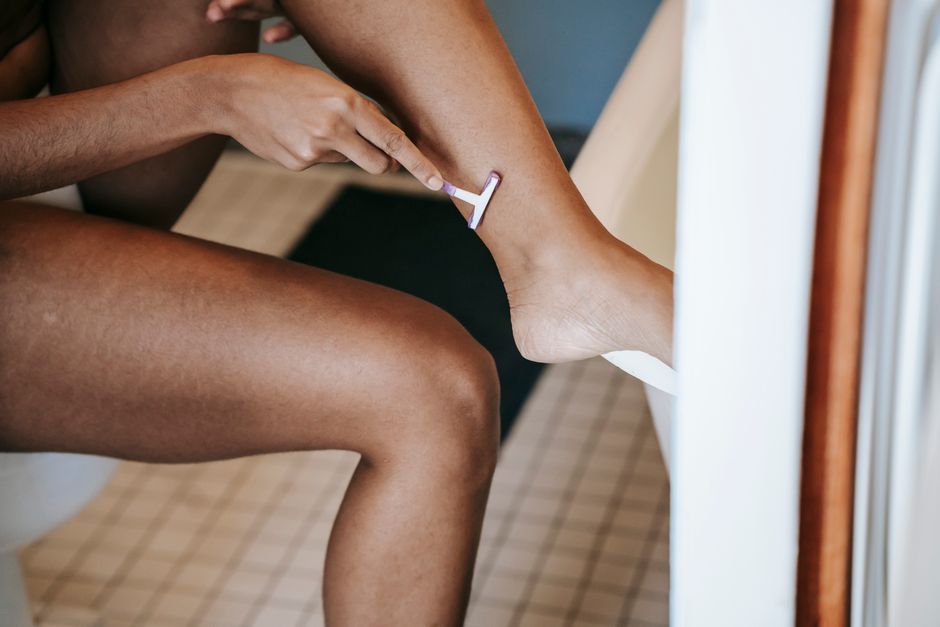
If you choose to continue hair removal, certain practices reduce your risk. Shave in the direction of hair growth rather than against it. Use a sharp, single-blade razor. Dull razors pull and tug at hair, increasing the chance that the hair will retract below the skin surface after cutting.
Exfoliating the skin gently before shaving helps release hairs that are just beginning to curl inward. A soft washcloth or a gentle sugar scrub works well. Avoid aggressive exfoliation, which can irritate the skin and make inflammation worse.
Moisturizing after shaving keeps the skin supple. Hydrated skin allows hairs to emerge more easily. Some people find that using a depilatory cream instead of shaving reduces their ingrown hair rate, though these products can cause skin irritation in sensitive individuals.
Laser hair removal is the most effective long-term solution for people with chronic ingrown hair problems. The laser damages the hair follicle, reducing future hair growth. Multiple sessions are required, and results vary by hair color and skin type. This is a medical procedure, so consult a qualified provider to discuss whether you are a candidate.
What Happens If You Leave an Ingrown Hair Cyst Alone?
In most cases, an untreated ingrown hair cyst will resolve without complications. The immune system gradually breaks down the trapped hair. The fluid is reabsorbed. The inflammation subsides. This process typically takes one to two weeks but can take longer for larger cysts.
Some cysts do not resolve on their own. A cyst that persists for weeks may develop a thicker wall. This is called a chronic or recurring cyst. It may require professional removal.
Rarely, an untreated cyst can lead to complications. The most common is secondary bacterial infection. Another possible outcome is hyperpigmentation, where the skin in the affected area darkens even after the cyst heals. This discoloration can last for months, particularly in people with darker skin tones.
Scarring is also possible, especially if the cyst is repeatedly squeezed or picked. A depressed scar or a raised keloid can form. Keloids are more common in people with darker skin and can be difficult to treat.
Are There Any Effective Over-the-Counter Treatments?
Several over-the-counter products claim to treat ingrown hairs, but the evidence for most of them is limited.
Products containing salicylic acid or glycolic acid are sometimes used for ingrown hairs. These chemical exfoliants help remove dead skin cells that can trap hairs beneath the surface. Some dermatologists recommend them for prevention rather than for treating an existing cyst. Using a strong acid on an already inflamed cyst can worsen irritation.
Tend Skin and similar products are popular in the shaving community. They typically contain a combination of salicylic acid, glycolic acid, and alcohol. While many users report benefit, no large clinical trials have confirmed their effectiveness for treating ingrown hair cysts specifically.
Witch hazel and tea tree oil are natural remedies that some people use. Witch hazel has mild astringent properties. Tea tree oil has antibacterial properties in laboratory studies. However, neither has been proven in clinical research to treat ingrown hair cysts. Tea tree oil can cause contact dermatitis in some people, especially when used undiluted.
If you choose to try an over-the-counter product, patch test it on a small area of skin first. Stop using it if you develop increased redness, burning, or itching.
Frequently Asked Questions
Can I pop an ingrown hair cyst?
No, you should never pop or squeeze an ingrown hair cyst. Squeezing pushes bacteria deeper into the skin and can cause a more serious infection or permanent scarring.
How long does an ingrown hair cyst take to heal?
With consistent warm compresses and proper hygiene, most ingrown hair cysts heal within one to two weeks. Larger or infected cysts may take longer and require medical treatment.
Will an ingrown hair cyst go away on its own?
Yes, most ingrown hair cysts resolve on their own as the body breaks down the trapped hair. If the cyst persists beyond two weeks or becomes increasingly painful, see a healthcare provider.
Should I pull the hair out of an ingrown hair cyst?
You should not dig for the hair with tweezers or a needle. If the hair is visible at the surface, you can gently lift it with sterilized tweezers, but never break the skin to reach it.
