
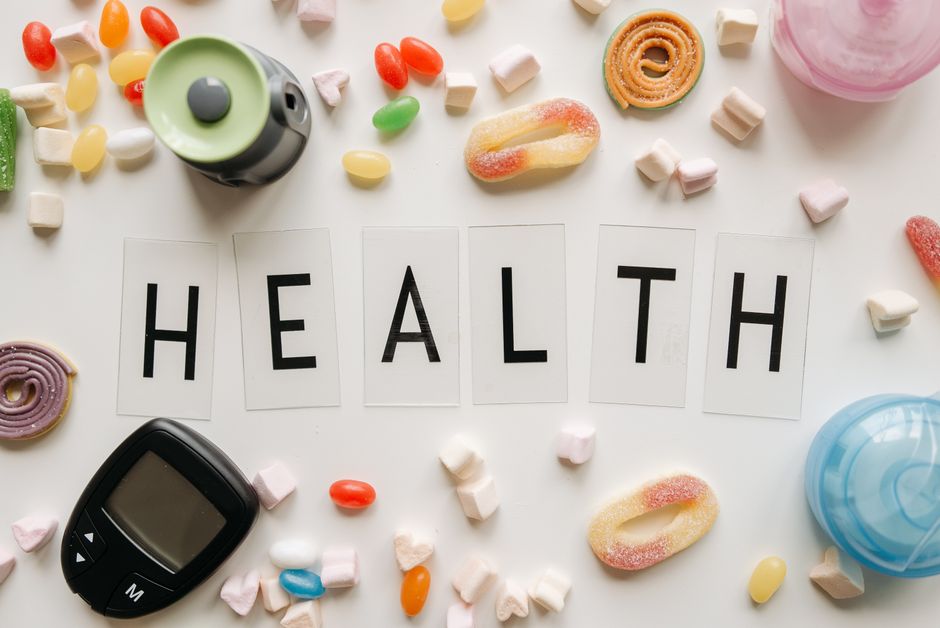
If your blood sugar is low and you are awake and able to swallow, the first step is to eat or drink about 15 grams of fast-acting carbohydrate. Wait 15 minutes, then check your blood sugar again. If it is still below 70 mg/dL, repeat the 15 grams. This is the standard “rule of 15” taught by diabetes educators and used in clinical guidance. If you are confused, cannot swallow, or pass out, this becomes an emergency — someone should call 911 and not try to force food or drink into your mouth.
Low blood sugar is most common in people who take insulin or certain diabetes pills. It can also happen in people without diabetes, though far less often. Knowing what to do — and what not to do — matters because the brain depends on a steady supply of glucose to function.
What counts as low blood sugar?
For most people with diabetes, low blood sugar — hypoglycemia — is defined as a blood glucose reading below 70 mg/dL. Below 54 mg/dL is considered clinically significant and needs prompt treatment.
These thresholds come from standard diabetes care guidance. They are not arbitrary. The brain starts to show effects when glucose drops into the low 60s and below in many people, though the exact point varies.
People without diabetes rarely drop below 70 mg/dL. When they do, it usually points to something else going on — a medication effect, a hormone problem, prolonged fasting, or heavy alcohol use without food. That situation deserves a medical workup rather than self-treatment alone.
What are the warning signs of low blood sugar?
Early symptoms are your body’s alarm system. When glucose falls, the body releases adrenaline and other hormones to raise it. That surge causes shaking, sweating, a pounding heart, nervousness, and hunger.
If glucose keeps falling, the brain itself runs short on fuel. That stage brings confusion, slurred speech, blurred vision, dizziness, and unusual behavior. Severe drops can cause seizures or loss of consciousness.
A detail many people miss: symptoms are not the same for everyone, and they can change over time. People who have had diabetes for many years, or who have frequent low episodes, may stop noticing early warning signs. This is called impaired awareness of hypoglycemia. It is a real and well-documented problem, and it raises the risk of severe episodes because the body’s alarm becomes blunted.
Because of this, checking your blood sugar matters more than relying on how you feel — especially if your awareness has faded.
What To Do When You Have Low Blood Sugar Level?
Treat it fast with carbohydrate that raises glucose quickly. The rule of 15 is the standard approach: take 15 grams of fast-acting carbohydrate, wait 15 minutes, and recheck.
Good options for about 15 grams include:
- 4 ounces (about half a cup) of juice or regular soda
- 1 tablespoon of sugar or honey
- 3 to 4 glucose tablets (check the label — amounts vary by brand)
- 1 tablespoon of glucose gel
These are examples of foods that raise blood sugar quickly. The exact amount depends on the product, so read labels when you can. Glucose tablets are convenient because they are pre-measured and easy to carry.
After you treat and recheck, if glucose is back above 70 mg/dL and your next meal is more than an hour away, eat a small snack that combines carbohydrate with protein or fat. That helps keep glucose steady.
If you are still below 70 mg/dL after 15 minutes, repeat the 15 grams. Do not stack large amounts of food all at once hoping to fix it faster — that can overshoot and send you high later.
What should you avoid during a low?
Skip foods high in fat for the initial treatment. Chocolate and peanut butter, for example, raise glucose slowly because fat slows digestion. They are fine as a follow-up snack, but they are a poor first choice when you need glucose to rise now.
Do not treat a low with diet soda or sugar-free products. They contain no carbohydrate and will not raise your blood sugar.
If you take a medication called acarbose or miglitol, a specific caution applies: these drugs block the breakdown of table sugar and starches, so ordinary juice or candy may not work fast enough. Glucose tablets or glucose gel are the recommended treatment in that case because they deliver glucose directly. If you take one of these medications, it is worth confirming your plan with your clinician ahead of time.
What if the person cannot swallow or is unconscious?
This is a medical emergency. Do not put food, drink, or anything else in the mouth of someone who is unconscious or unable to swallow — it can cause choking.
Call 911. If the person has been prescribed a glucagon emergency kit or nasal glucagon, use it as directed. Glucagon is a hormone that signals the liver to release stored glucose. It works when someone cannot take sugar by mouth. Family members and coworkers can be trained to give it.
Once the person is awake and able to swallow safely, give them fast-acting carbohydrate and recheck. Anyone who loses consciousness from a low should be evaluated by a medical professional afterward.
How can you prevent low blood sugar?
Prevention comes down to matching food, activity, and medication. For people on insulin or medications that can cause lows, a few habits reduce risk.
- Do not skip meals after taking insulin or a medication that lowers glucose.
- Check your blood sugar before driving and before exercise, and carry fast-acting carbohydrate with you.
- Learn how exercise affects your glucose — activity can lower it for hours afterward.
- Review your medication plan with your clinician if lows are frequent.
Frequent or severe lows are a signal, not a normal part of life with diabetes. If you are having them often, that is worth raising with your care team. Sometimes a medication adjustment is all that is needed. Some newer diabetes technologies — like continuous glucose monitors — can alert people before glucose drops too far, and evidence supports their use in reducing lows for many people with diabetes, though access and insurance coverage vary.
Alcohol deserves a mention. Drinking without eating can lower blood sugar, sometimes hours later, because the liver is busy processing alcohol instead of releasing glucose. If you drink, eat something with it and check your glucose.
When should you get medical help?
Seek medical attention if a low does not respond to treatment, if someone loses consciousness, or if lows keep happening without a clear cause. For people without diabetes, any confirmed low blood sugar should be checked by a clinician, because it may point to an underlying condition that needs diagnosis.
Also talk to your care team if you have lost your ability to feel the early warning signs of a low. That change is important and often manageable, but it needs attention rather than guesswork.
Frequently Asked Questions
How much sugar do you need to raise low blood sugar?
About 15 grams of fast-acting carbohydrate is the standard starting amount. Wait 15 minutes and recheck, then repeat if glucose is still below 70 mg/dL.
What is the fastest way to raise blood sugar?
Glucose tablets, glucose gel, juice, or regular soda raise blood sugar quickly because they contain simple carbohydrate that absorbs fast. Glucose tablets and gel are pre-measured, which makes them easy to use correctly.
Can you have low blood sugar without diabetes?
Yes, though it is uncommon. When it happens, it usually points to a medication effect, a hormone problem, prolonged fasting, or alcohol use without food, and it should be checked by a clinician.
Should you eat protein when your blood sugar is low?
Not for the first treatment — fast-acting carbohydrate is what raises glucose quickly. Protein and fat are better as a follow-up snack once glucose is back above 70 mg/dL and your next meal is more than an hour away.
