
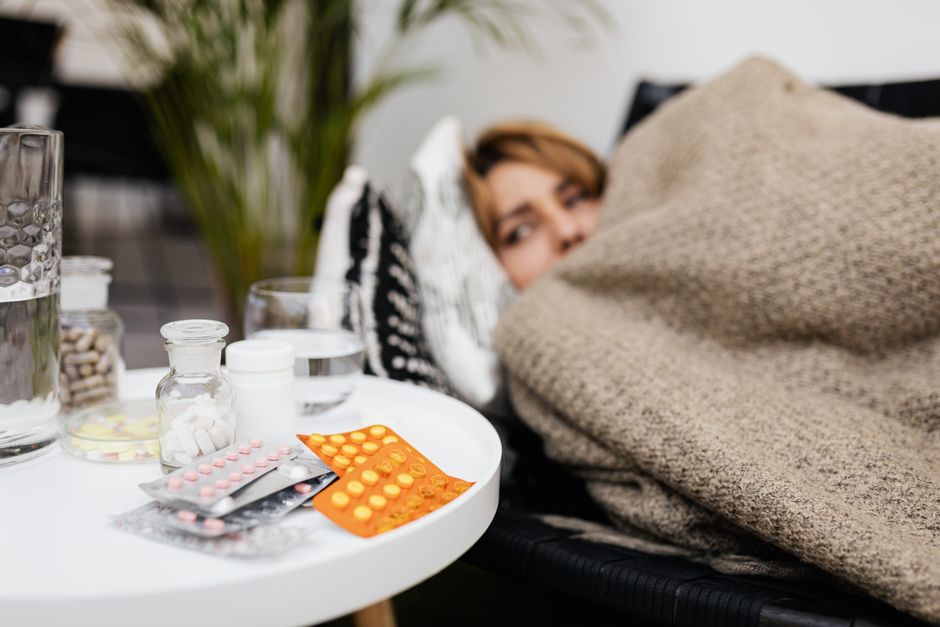
Nausea hits fast and can stop you in your tracks. When you feel nauseous, the first thing to do is sit still, take slow breaths, and sip cold water. Do not lie flat right away. Stay upright for at least 15-20 minutes. These steps help your body settle without making things worse.
What Causes Nausea To Start So Suddenly?
Nausea is not a disease itself. It is a symptom. Your body is signaling that something is off. Common triggers include motion, pregnancy, infections, food poisoning, stress, and certain medications.
The stomach and brain are connected through the vagus nerve. When that nerve gets irritated, your brain triggers the feeling of needing to vomit. The CDC reports that viral gastroenteritis — often called stomach flu — is one of the most common causes of sudden nausea in adults.
Some people also feel nauseous from strong smells, migraines, or even anxiety. In many cases, nausea passes on its own. But knowing what triggered it can help you choose the right response.
Does What To Do When You Feel Nauseous Actually Work?
Yes, several simple actions are backed by evidence. Research published in the Cochrane Database of Systematic Reviews found that ginger is effective for reducing nausea in pregnancy and after surgery. The dose matters. Studies used 500 mg to 1 gram of ginger powder taken once or twice daily.
Peppermint is another option. Some studies suggest peppermint oil capsules can reduce nausea caused by chemotherapy. The evidence is moderate. Not everyone responds the same way. Peppermint tea is gentler and worth trying if strong oils feel too intense.
Acupressure bands, like those used for motion sickness, have mixed evidence. Some people report relief. Others see no difference. The National Institutes of Health notes that acupressure is low-risk, so it is reasonable to try if you want a non-medication option.
What Should You Eat or Drink When Nauseous?
Your instinct might be to avoid food entirely. That is fine for a few hours. But going too long without eating can make nausea worse for some people. Low blood sugar can trigger queasiness.
The BRAT diet — bananas, rice, applesauce, toast — is commonly recommended after vomiting. These foods are bland and easy to digest. They do not irritate the stomach lining. Research from the American Academy of Family Physicians supports this approach for short-term recovery.
Cold drinks are often easier to tolerate than warm ones. Try ice chips, small sips of water, or a sports drink in tiny amounts. Avoid citrus juices and caffeine. They can irritate an already sensitive stomach.





When Should You Use Medication for Nausea?
Over-the-counter medications like Dramamine (dimenhydrinate) work well for motion sickness. They block signals in the brain that trigger nausea and vomiting. Take them before you travel, not after nausea starts.
Antacids containing bismuth subsalicylate, like Pepto-Bismol, can help with nausea from indigestion or mild food issues. They coat the stomach lining and reduce irritation. Do not use them if you are allergic to aspirin or have a bleeding disorder.
Prescription medications exist for severe nausea. Ondansetron (Zofran) is common in hospital settings and for chemotherapy patients. It is not for casual use. If nausea lasts more than 24 hours or prevents you from keeping liquids down, see a doctor.
What To Avoid When You Feel Nauseous
Do not lie flat. Gravity helps keep stomach contents where they belong. Lying down can make reflux and nausea worse. Sit upright or prop yourself up with pillows.
Avoid strong smells. Cooking odors, perfume, smoke, and even certain cleaning products can trigger or worsen nausea. Open a window or step outside for fresh air if possible.
Do not eat large meals. A full stomach puts pressure on the digestive system. Small, frequent snacks are better. Crackers, plain pretzels, or dry cereal can settle the stomach without overwhelming it.
Do not brush your teeth immediately after vomiting. Stomach acid weakens tooth enamel. Brushing right away can damage your teeth. Rinse your mouth with water or a baking soda solution first. Wait 30 minutes before brushing.
Common Misconceptions About Nausea Relief
| Claim | What Evidence Says |
|---|---|
| Ginger ale helps nausea | Most ginger ales contain little real ginger and lots of sugar. Sugar can make nausea worse. Real ginger tea or powder is more effective. |
| Vomiting always makes you feel better | Not always. For food poisoning or infection, vomiting may help remove the irritant. For motion sickness or migraines, vomiting usually does not relieve the underlying cause. |
| Deep breathing is just a distraction | Slow, deep breathing actually activates the parasympathetic nervous system. This can reduce the nausea signal. It is not just in your head. |
| Crackers cure nausea | They help settle the stomach because they are dry and bland. They do not treat the cause. They are a comfort measure, not a cure. |
When Nausea Is a Sign of Something Serious
Most nausea goes away within hours. But some symptoms require medical attention. If you have chest pain, severe headache, stiff neck, or confusion along with nausea, call 911. These can be signs of a heart attack or meningitis.
Nausea combined with vomiting for more than 24 hours is a reason to see a doctor. Dehydration can happen fast, especially in older adults. Signs include dry mouth, dark urine, dizziness when standing, and weakness.
If you have diabetes and feel nauseous, check your blood sugar. High or low blood sugar can both cause nausea. The American Diabetes Association warns that nausea with vomiting can lead to dangerous ketoacidosis in people with type 1 diabetes.
Pregnant women should talk to their doctor if nausea prevents eating or drinking. Severe morning sickness, called hyperemesis gravidarum, can harm both mother and baby if untreated.
Frequently Asked Questions
How long does nausea usually last?
Most nausea from minor causes lasts a few hours to a day. If it lasts more than 24 hours, see a doctor.
Can drinking water make nausea worse?
Drinking too much water too fast can stretch the stomach and worsen nausea. Sip small amounts slowly instead.
Is it better to sleep or stay awake when nauseous?
Sleep can help if you are able to rest upright. Lying flat can make nausea worse, so prop your head up with pillows.
Does smelling rubbing alcohol help nausea?
Some studies suggest inhaling isopropyl alcohol can reduce nausea quickly in emergency settings. It is not recommended for home use without medical guidance.
