
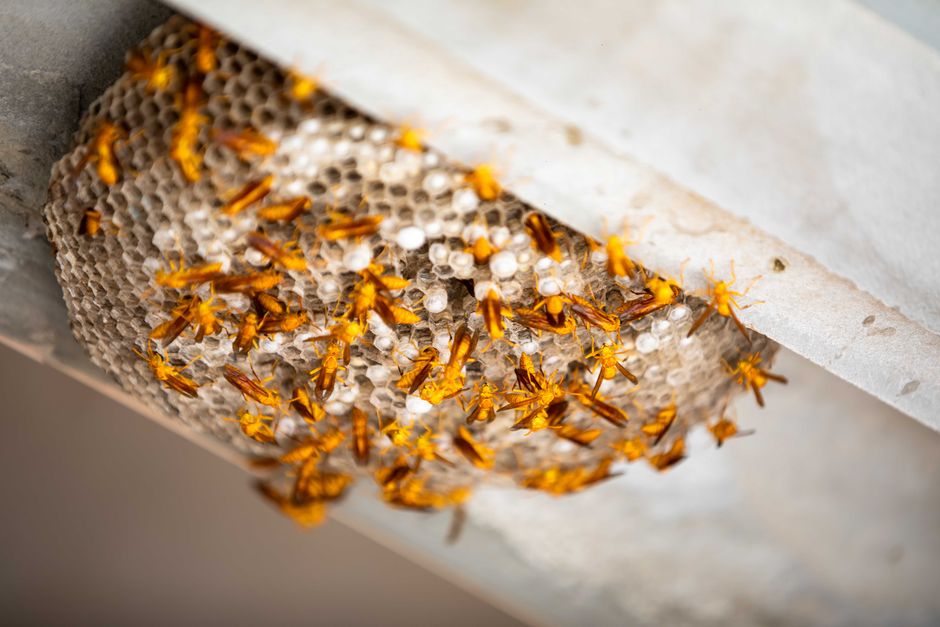
A wasp sting hurts, and it can be alarming, but for most people it is not a medical emergency. The right response is quick and straightforward: move away from the area to avoid more stings, gently wash the site with soap and water, and apply a cold compress to reduce pain and swelling. If the sting is on an arm or leg, keeping that limb elevated can help. Over-the-counter pain relievers and antihistamines can manage discomfort, but if you have trouble breathing, swelling in the face or throat, dizziness, or nausea, that is a severe allergic reaction and you need emergency medical help immediately.
How to Tell a Wasp Sting From a Bee Sting
Wasps and bees are often confused, but the stingers are different. A honey bee has a barbed stinger that stays in the skin, along with the venom sac, and the bee dies after stinging. Wasps have smooth stingers that they can pull out and use again, so a single wasp can sting multiple times.
You will not usually find a stinger left in the skin after a wasp sting. If you do see something that looks like a small black splinter, it may be a bee stinger, and you should remove it quickly. Use a fingernail, a credit card edge, or tweezers to scrape or pull it out. The faster you remove a stinger, the less venom enters the skin.
Immediate Steps to Take After a Wasp Sting
Start by moving to a safe location. Wasps can sting repeatedly, and they release alarm pheromones that attract other wasps, so do not stand near the nest or the site of the sting.
Once you are safe, wash the sting site with plain soap and water. This reduces the risk of infection and removes any venom still on the skin surface. Pat the area dry with a clean towel; do not rub.
Apply a cold compress, such as an ice pack wrapped in a thin cloth, for 10 to 15 minutes at a time. This constricts blood vessels, which reduces swelling and numbs the pain. Do not put ice directly on the skin, as that can cause frostbite.
Keep the affected limb elevated if the sting is on an arm or leg. This helps limit local swelling.
Managing Pain and Swelling at Home
For mild to moderate pain, an over-the-counter oral antihistamine can help with itching and swelling. These work by blocking histamine, a chemical your body releases in response to the venom. Some people prefer a topical antihistamine cream or calamine lotion applied directly to the sting.
Acetaminophen or ibuprofen can reduce pain. Ibuprofen also has anti-inflammatory effects, which may help with swelling. Follow the dosing instructions on the package and do not exceed the recommended amount.
A paste made from baking soda and water is a common home remedy, but research does not clearly confirm that it helps. It is not harmful for most people, but it is not a substitute for the steps above. The same applies to applying vinegar or meat tenderizer; these are folk remedies without strong evidence behind them.
When a Wasp Sting Requires Medical Attention
Most wasp stings cause a red, swollen, painful lump that resolves within a few days. But some people have a severe allergic reaction called anaphylaxis, which can be life-threatening.
Signs of a severe reaction include:
- Difficulty breathing or wheezing
- Swelling of the lips, face, or throat
- Dizziness, fainting, or confusion
- Rapid heartbeat
- Nausea, vomiting, or diarrhea
- Hives that spread beyond the sting site
If any of these symptoms appear, call emergency services immediately. Do not wait to see if they improve. If the person has a prescribed epinephrine auto-injector, such as an EpiPen, use it right away, even before calling for help. Epinephrine is the only medication that can reverse anaphylaxis, and it must be given promptly.
Even if epinephrine is given and symptoms improve, the person still needs to be evaluated in an emergency department. Symptoms can return hours later, a phenomenon called biphasic anaphylaxis.
What To Do When Stung By A Wasp in the Mouth or Throat
A sting inside the mouth or throat is a special situation. Swelling in this area can block the airway quickly, even in someone who has never had an allergic reaction before.
If you or someone else is stung in the mouth, suck on an ice cube or drink something cold to reduce swelling. Seek emergency medical care immediately, even if breathing seems fine at first. Swelling can progress rapidly, and it is safer to be evaluated than to wait at home.
Infection Risk and When to See a Doctor
Wasp stings can become infected, though this is not common. Bacteria on the skin or from scratching can enter the wound.
Watch for signs of infection over the following days: increasing pain, redness spreading beyond the sting site, warmth, pus, or fever. If any of these appear, see a doctor. An infected sting may require antibiotics.
Scratching is the main cause of infection. Keep the area clean and use an antihistamine or calamine lotion to control itching. Trim fingernails short if you are worried about scratching, especially for children.
Multiple Stings and Toxic Reactions
Being stung many times at once is different from a single sting. Large numbers of stings can cause a toxic reaction even in people who are not allergic. Symptoms include fever, headache, muscle cramps, and nausea.
If someone receives dozens of stings, especially a child or an older adult, medical evaluation is recommended. The venom load can be significant, and monitoring in a healthcare setting is safer than managing it at home.
How to Prevent Wasp Stings
Wasps are more aggressive than bees, and they can sting without much provocation. They are attracted to sweet foods, sugary drinks, and garbage. When eating outdoors, keep food covered and check cups before drinking.
Avoid wearing bright colors and floral patterns, which can attract wasps. Perfumes and scented lotions can also draw them in. Wear closed-toe shoes outdoors, especially in grassy areas.
If a wasp flies near you, stay still or move away slowly. Swatting at it increases the chance of being stung. Wasps can sting through thin clothing, so loose, light-colored clothing offers some protection.
Do not attempt to remove a wasp nest on your own. Wasps defend their nests aggressively, and disturbing one can result in multiple stings. Professional pest control is the safe option for nest removal.
Frequently Asked Questions
How long does a wasp sting last?
Pain and swelling usually peak within 48 hours and gradually improve over the next few days. Some redness and itching can last up to a week.
Does vinegar help a wasp sting?
Vinegar is a folk remedy with no strong evidence that it helps. Washing with soap and water and using a cold compress are the proven steps.
Can you be allergic to wasp stings without knowing it?
Yes, a severe allergic reaction can happen on the first sting. You do not need a prior reaction to develop anaphylaxis.
Is it safe to pop a blister from a wasp sting?
No, leave blisters intact. Popping them increases the risk of infection and slows healing.
