
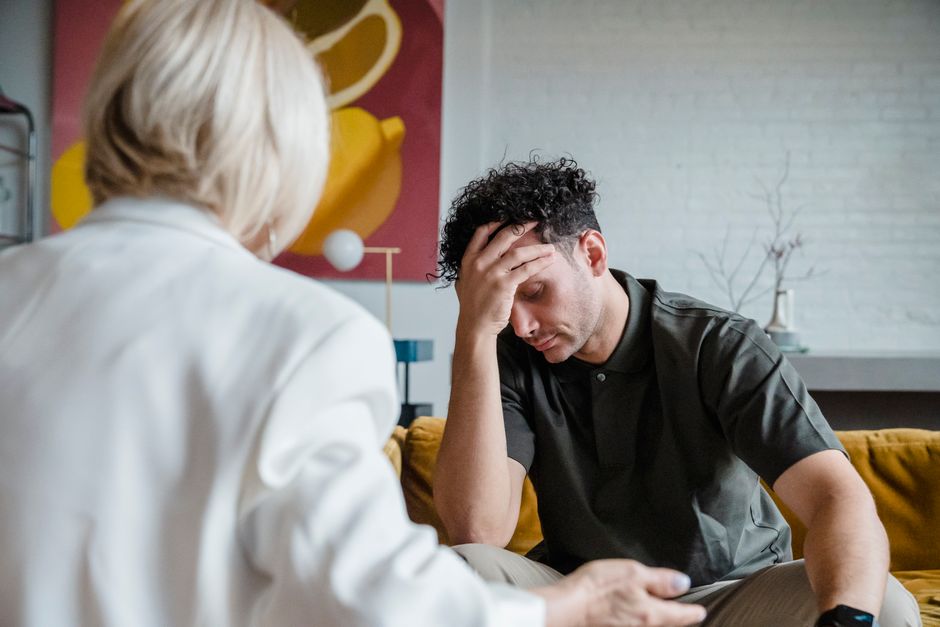
When someone you care about refuses mental health treatment, the most powerful thing you can do is stay connected. Keep showing up. Keep listening without judgment. Keep offering support in small, practical ways. You cannot force someone into treatment, and trying to force it often pushes them further away. What you can do is reduce the shame, keep the door open, and make help feel less frightening.
Why Do People Refuse Mental Health Treatment?
Refusing treatment is rarely about stubbornness alone. Often it comes from fear. Fear of being labeled. Fear of being judged. Fear of losing control. Some people genuinely believe they do not have a problem, especially when their thinking is distorted by the condition itself.
Stigma remains a powerful barrier. Many people still see mental health treatment as a sign of weakness rather than a sign of strength. They worry about what coworkers, family, or friends will think. This is especially common among men, who are often taught to handle problems on their own.
Practical barriers matter too. Cost is a major obstacle. So is finding a provider with availability. Transportation, childcare, and time off work can all make treatment feel impossible, even when someone is willing to try.
Past experiences shape current decisions. If someone had a negative experience with therapy or medication before, they may be reluctant to try again. That reluctance is not irrational. It is based on real experience.
What To Do When Someone Refuses Mental Health Treatment
Start by changing your goal. The goal is not to get them into treatment this week. The goal is to keep the conversation open and keep the relationship strong. Treatment becomes more likely when a person feels safe and supported, not pressured.
Use “I” statements instead of “you” statements. Say “I am worried about you” rather than “You need help.” Say “I have noticed you seem to be struggling” rather than “You are not handling this well.” This shifts the tone from accusation to concern.
Ask questions instead of giving answers. Ask “What do you think would help?” Ask “What has helped before?” Ask “What is stopping you from trying something new?” These questions invite reflection rather than defensiveness.
Offer specific help, not vague offers. “Let me know if you need anything” puts the work on them. Instead say “I can drive you to an appointment” or “I can help you find a therapist who takes your insurance.” Concrete offers are easier to accept.
Normalize the experience. Remind them that millions of people seek mental health treatment every year. Frame it as routine health care, not a crisis response. Comparing it to seeing a doctor for a physical condition can help reduce the stigma.
What Not To Say or Do
Avoid ultimatums unless there is a genuine safety concern. “Get help or I am leaving” rarely produces lasting change. It produces compliance at best, and resentment at worst. The exception is when someone’s behavior is causing direct harm to you or your children. In that case, setting firm boundaries may be necessary for your own safety.
Do not argue with their beliefs about their condition. If someone believes they do not have a problem, arguing will not convince them. It will only make them defend their position more strongly. This is a well-documented psychological response.
Avoid shaming language. Words like “crazy,” “unstable,” or “dramatic” close doors. Even gentle phrases like “you are not thinking clearly” can feel like an attack. Stick to describing what you observe and how you feel.
Do not try to diagnose them. Even if you are fairly certain about what is going on, naming a condition can feel like an accusation. Leave diagnosis to professionals. Your role is to support, not to label.
Do not give up after one conversation. Change takes time. Many people need to hear the message multiple times before they act on it. Consistency matters more than any single conversation.





When To Take More Serious Action
There are situations where waiting and supporting is not enough. If the person is talking about suicide, expressing hopelessness, or making plans to harm themselves, this is an emergency. Do not leave them alone. Call 988 to reach the Suicide and Crisis Lifeline. If there is immediate danger, call 911.
Signs of immediate danger include talking about wanting to die, searching for methods, giving away possessions, or sudden calmness after a period of distress. Trust your instincts. It is better to overreact than to lose someone.
In some states, involuntary treatment is possible when someone poses a danger to themselves or others. This is a legal process with specific criteria. It is not something you can do on your own. Contacting a mental health crisis team or going to an emergency room is the appropriate first step.
For situations that are serious but not immediately dangerous, you can contact a mental health professional yourself. A therapist or doctor can advise you on how to approach your loved one. Many will offer guidance to family members even when the patient has not agreed to treatment.
How To Support Someone Who Will Not Get Treatment
Focus on what you can control. You cannot control their decisions, but you can control your own behavior. You can choose to stay connected. You can choose what you will and will not tolerate. You can choose to take care of yourself.
Encourage small steps rather than demanding big ones. A person who refuses therapy might agree to talk to their primary care doctor. Someone who refuses medication might agree to try a support group. Someone who will not see any professional might agree to read an article or watch a video. Small steps build momentum.
Model healthy behavior. If you see a therapist, mention it naturally. If you take medication, talk about it without shame. Your example matters more than your words.
Keep inviting them to normal activities. Isolation worsens mental health conditions. A simple invitation to coffee, a walk, or a movie keeps the connection alive. Even if they say no most of the time, the invitation itself communicates that they matter.
Consider whether you need support too. Having a loved one who refuses treatment is exhausting. Family therapy can help you learn better communication strategies. Support groups for families of people with mental illness exist in many communities. Taking care of yourself is not selfish. It is necessary.
What If The Person Is An Adult Who Has Decision-Making Capacity?
Adults have the right to refuse medical treatment, including mental health treatment. This is protected by law. Unless someone is an immediate danger to themselves or others, they cannot be forced into treatment against their will.
This is difficult to accept when you can see that someone is suffering. But respecting their autonomy is important. Forcing treatment can damage trust and make future help less likely. Many people eventually seek treatment on their own terms, and maintaining a supportive relationship makes that more likely.
If the person is legally incapacitated — for example, due to severe dementia or a developmental disability — different rules apply. A guardian or family member may have the authority to make treatment decisions. An elder law attorney or social worker can help navigate these situations.
Frequently Asked Questions
How long should I keep trying to convince someone to get help?
Keep trying as long as the relationship remains healthy and you are not being harmed. Many people accept help only after repeated conversations over months or years.
Can I force someone into mental health treatment?
Only in specific emergency situations where someone poses an immediate danger to themselves or others, and only through legal or medical processes. Outside of those situations, adults have the right to refuse treatment.
What if the person is my child or teenager?
Parents have more legal authority to require treatment for minors, but forcing treatment can still damage trust. Family-based approaches that include parents in therapy often work better than sending a child to treatment alone.
Should I stop supporting someone who refuses treatment?
That is a personal decision with no right answer. If the person is causing you harm, setting boundaries is appropriate. If you can stay connected without harming yourself, that connection may eventually lead them to accept help.
