
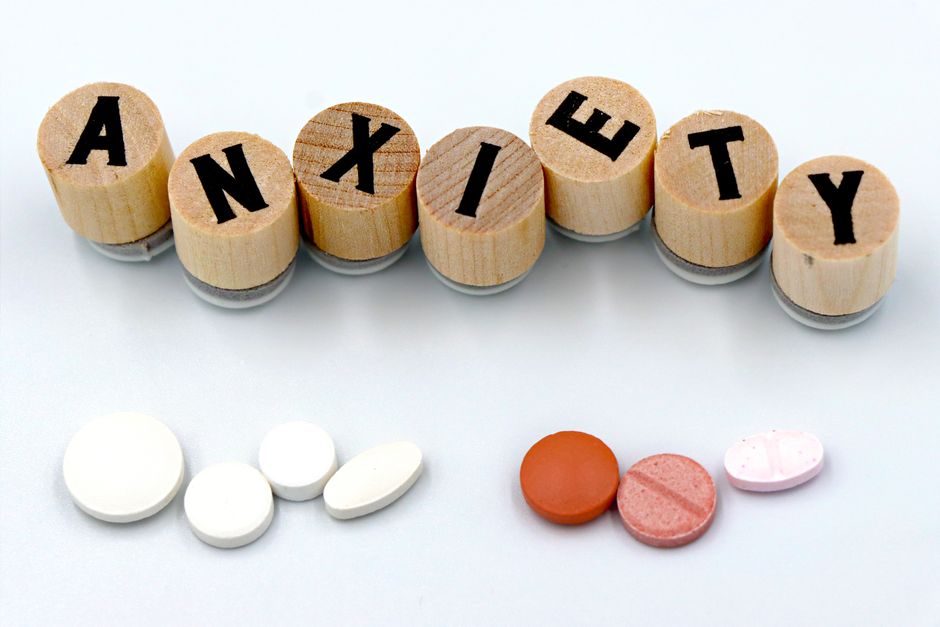
Anxiety is your body’s alarm system going off when there is no fire. The most effective things you can do fall into three groups: calming your nervous system in the moment, building daily habits that lower your baseline, and getting professional treatment when anxiety starts running your life. Therapy and medication both have strong evidence behind them, and for many people a combination works best.
That short answer covers a lot of ground. The rest of this article explains what actually works, what the evidence says about each option, and how to know when self-help is not enough.
What Actually Happens in Your Body During Anxiety?
Anxiety is a normal response that has gone off track. Your brain detects a threat — real or imagined — and triggers the release of adrenaline and cortisol. Your heart rate climbs, breathing gets shallow, muscles tense, and your mind narrows onto the danger.
This system evolved to keep you alive. It is not a character flaw or a sign of weakness. In an anxiety disorder, the alarm fires too often, too intensely, or in situations that are not actually dangerous.
Anxiety disorders are among the most common mental health conditions in the United States. They include generalized anxiety disorder, panic disorder, social anxiety disorder, and several others. Each has its own pattern, but they share that same overactive threat response.
The physical symptoms are real. Racing heart, tight chest, dizziness, stomach upset, and trouble breathing all come from the stress response, not from imagination. Understanding this helps because it separates the sensation from the fear that something is physically wrong — a distinction that matters a great deal during a panic attack.
What To Do To Help With Anxiety Tips And Treatments for Right Now
When anxiety spikes, the goal is to bring your nervous system down from high alert. These techniques work because they directly affect the stress response. They are not cures, but they can shorten an episode and reduce its intensity.
- Slow your breathing. Aim for a longer exhale than inhale. Breathing slowly and deeply activates the parasympathetic nervous system, which is the branch that calms you down. A common approach is to breathe in for a count of four and out for a count of six or eight.
- Ground yourself in the room. Name five things you can see, four you can touch, three you can hear, two you can smell, and one you can taste. This pulls attention out of the spiral and back to the present.
- Move your body. A short walk, stretching, or even standing up and shaking out your arms can help discharge some of the physical tension.
- Cool your face. Splashing cold water on your face or holding something cold against your cheeks can trigger a reflex that slows your heart rate. This is sometimes used for panic symptoms.
- Write it down. Getting the worry onto paper can make it feel more contained and less like it is circling endlessly in your head.
These are coping tools, not treatments. They help you get through a difficult moment. If you rely on them every day to function, that is a signal to look at longer-term options.
Which Daily Habits Lower Anxiety Over Time?
Regular habits shape how reactive your nervous system is. None of these replace treatment for an anxiety disorder, but they can reduce how often and how hard anxiety hits.
Sleep matters more than most people realize. Sleep deprivation makes the emotional centers of the brain more reactive and weakens the parts that keep worry in check. Adults generally need seven or more hours a night. Keeping a consistent sleep and wake time helps regulate the body’s internal clock.
Movement has solid evidence behind it for reducing anxiety symptoms. You do not need intense workouts. Regular moderate activity — brisk walking, cycling, swimming — appears to help. The key is consistency rather than intensity.
Caffeine and alcohol both work against you. Caffeine can trigger or worsen anxiety symptoms, especially in people who are sensitive to it. Alcohol may feel calming at first, but it disrupts sleep and can increase anxiety the next day. Cutting back is one of the more reliable changes people notice.
Blood sugar plays a role too. Skipping meals can cause symptoms that mimic anxiety — shakiness, racing heart, irritability. Eating regularly helps keep the physical sensations from stacking on top of the mental ones.
Connection is protective. Regular contact with people you trust tends to lower stress. Isolation tends to raise it. This is not about being social constantly. It is about having at least a few relationships where you can be honest about what you are feeling.



Does Therapy Help With Anxiety?
Therapy is one of the most well-supported treatments for anxiety disorders. Cognitive behavioral therapy has the strongest body of evidence. Research consistently shows it reduces symptoms for many people with generalized anxiety, panic disorder, and social anxiety.
CBT works by helping you notice the thoughts and behaviors that feed anxiety, then test them against reality. If you always avoid the thing you fear, your brain never learns that the fear is exaggerated. Therapy gradually breaks that cycle.
Other approaches also have support. Acceptance and commitment therapy focuses on changing your relationship with anxious thoughts rather than trying to eliminate them. Exposure therapy is often used for specific fears and phobias. Some people benefit from a combination of approaches.
How long therapy takes varies widely. Some people notice improvement in a few weeks. Others need months. There is no single timeline that applies to everyone, and progress is rarely a straight line.
If cost or access is a barrier, options exist. Community mental health centers, employee assistance programs, and sliding-scale clinics are worth checking. Teletherapy has expanded access in many areas, though availability and insurance coverage vary.
When Should You Consider Medication?
Medication is a reasonable option when anxiety is severe, when therapy alone is not enough, or when symptoms make it hard to function day to day. This is a decision to make with a doctor or psychiatrist, not on your own.
Several classes of medication are used for anxiety. SSRIs and SNRIs are often first-line treatments and have substantial evidence for several anxiety disorders. Benzodiazepines work quickly but carry risks of dependence and are generally intended for short-term or limited use. Buspirone is another option with a different mechanism.
Every medication has trade-offs. Some take weeks to work. Some have side effects that fade and some that do not. Finding the right one can involve trial and error. A prescriber can explain what to expect and monitor how you respond.
Medication and therapy are not competing options. For many people, combining them works better than either alone.
What About Supplements and Natural Remedies?
This is where the gap between marketing and evidence is widest. Many products are sold for anxiety with claims that go beyond what research supports.
Some supplements have modest evidence. Certain forms of magnesium, omega-3 fatty acids, and a few herbal preparations have been studied, but results are mixed and study quality varies. The FDA does not review supplements for effectiveness before they are sold, so a product on the shelf is not proof that it works.
Other popular remedies have little to no human trial evidence behind them. That does not automatically mean they are harmful, but it does mean you should not count on them to treat an anxiety disorder.
If you decide to try a supplement, tell your doctor. Some interact with medications, and some are not safe during pregnancy or breastfeeding. No clinical guidelines currently establish dosing for many of these products, which makes it hard to know what a meaningful dose even is.
How Do You Know When to Get Professional Help?
Consider professional help when anxiety interferes with work, relationships, sleep, or your ability to do things you want to do. Another signal is when you find yourself avoiding more and more of life to manage the fear.
It is also worth seeking help if self-help strategies are not making a difference after a few weeks of consistent effort, or if you are relying on alcohol or other substances to cope. Anxiety and depression often occur together, and both can improve with treatment.
If you ever have thoughts of harming yourself, that is an emergency. Contact the 988 Suicide and Crisis Lifeline by calling or texting 988, or go to an emergency room. Do not wait.
Getting help is not an admission that something is wrong with you. It is the same as seeing a doctor for any other health condition that is not improving on its own.
Frequently Asked Questions
What is the fastest way to calm anxiety?
Slow breathing with a longer exhale than inhale can calm the nervous system within a minute or two. Grounding techniques and cold water on the face can also help shorten an episode.
Can anxiety go away without treatment?
Mild, situational anxiety often fades on its own, especially with lifestyle changes like better sleep and less caffeine. Anxiety disorders usually need treatment, and untreated symptoms tend to persist or worsen over time.
Is therapy or medication better for anxiety?
Both have strong evidence, and neither is clearly better for everyone. Many people do best with a combination of the two, which is a decision to make with a clinician.
Do supplements really help with anxiety?
Some supplements have modest and mixed evidence, and the FDA does not review them for effectiveness before sale. No clinical guidelines currently establish reliable dosing for most anxiety supplements.
