
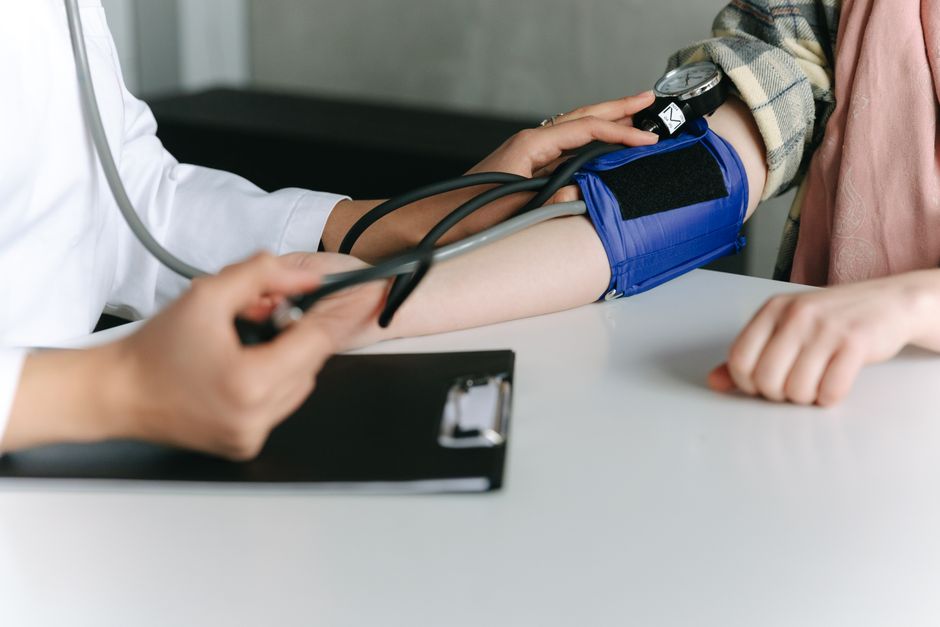
High blood pressure is one of the most common health issues in the United States, and it rarely causes symptoms until it has done damage. The good news is that blood pressure responds well to daily habits. To bring your blood pressure down, you need to focus on reducing sodium intake, increasing physical activity, managing stress, and taking any prescribed medication exactly as directed. These actions are the foundation of blood pressure control, and they work through well-established physiological pathways that doctors have studied for decades.
What To Do To Bring Your Blood Pressure Down: Start With Your Diet
Diet is the single most powerful lifestyle tool for lowering blood pressure. The DASH diet, which stands for Dietary Approaches to Stop Hypertension, is the most studied eating pattern for this purpose. Research consistently shows that following the DASH diet can lower systolic blood pressure by several points within weeks, even without weight loss.
The diet emphasizes vegetables, fruits, whole grains, and low-fat dairy. It limits red meat, sugar, and foods high in saturated fat. But the real star of the show is sodium reduction.
Sodium causes your body to hold onto water. More fluid in your blood vessels means more pressure against the vessel walls. Most American adults consume far more sodium than their bodies need, largely from processed and restaurant foods, not from the salt shaker.
Check nutrition labels carefully. A food with 5% or less of the Daily Value for sodium is considered low. Anything above 20% is high. Even foods that do not taste salty, like bread, canned soup, and deli meat, can be major sodium sources.
How Much Sodium Should You Actually Eat?
The general guidance is to limit sodium to about 2,300 milligrams per day, which is roughly one teaspoon of salt. But for people with high blood pressure, most health organizations recommend aiming lower, around 1,500 milligrams per day.
Lowering from a typical American intake of over 3,400 milligrams to 1,500 milligrams can produce a meaningful drop in blood pressure. The effect is even stronger in people who are salt-sensitive, which includes many older adults and people with kidney issues.
Potassium works against sodium. It helps your kidneys flush out excess sodium and relaxes blood vessel walls. Good potassium sources include bananas, potatoes, sweet potatoes, spinach, beans, and yogurt.
Be cautious with potassium supplements. People with kidney disease or those taking certain blood pressure medications, like ACE inhibitors or potassium-sparing diuretics, can develop dangerously high potassium levels. Food sources are generally safe, but supplements require medical supervision.
Exercise: What Works and How Much You Need
Regular physical activity strengthens your heart. A stronger heart pumps more blood with less effort, which reduces the force on your arteries. This is why exercise lowers blood pressure both immediately and over the long term.
Aerobic exercise like brisk walking, cycling, swimming, or jogging is the most studied form. Current guidelines recommend at least 150 minutes of moderate-intensity aerobic activity per week, or about 30 minutes on most days.
After a single session of aerobic exercise, blood pressure can stay lower for up to 24 hours. This is called post-exercise hypotension, and it is a real, measurable effect. Over weeks and months, consistent exercise produces lasting reductions in resting blood pressure.
Isometric exercise has also gained attention. Some research indicates that isometric handgrip exercises and wall sits may lower blood pressure effectively. The evidence is promising but not as extensive as the data on aerobic exercise. If you enjoy these exercises, they can complement your routine rather than replace aerobic activity.
Resistance training with weights two to three times per week also helps. Always breathe steadily during weightlifting. Holding your breath while straining causes a dangerous spike in blood pressure.

Weight Loss and Its Direct Effect on Blood Pressure
Excess body weight forces your heart to work harder. Every pound of fat requires blood vessels to supply oxygen and nutrients, which increases overall blood volume and pressure.
The relationship between weight and blood pressure is well documented. Losing even 5 to 10 pounds can produce a measurable drop in blood pressure for people who are overweight. This effect appears early in the weight loss process, often before significant fat loss has occurred.
Fat around the abdomen is particularly concerning. Visceral fat, the kind that accumulates deep inside the belly around your organs, is metabolically active and releases inflammatory substances that can stiffen blood vessels. Measuring your waist circumference gives you a rough idea of your visceral fat level.
For most men, a waist measurement above 40 inches raises cardiovascular risk. For most women, the threshold is 35 inches. These numbers are not diagnostic, but they are useful screening tools.
Alcohol and Caffeine: What the Evidence Shows
Alcohol has a direct and immediate effect on blood pressure. Drinking raises blood pressure within hours, and chronic heavy drinking keeps it elevated. The evidence is clear: reducing alcohol intake lowers blood pressure.
For people who drink, moderation is the standard advice. That means no more than two drinks per day for men and one drink per day for women. One drink is defined as 12 ounces of beer, 5 ounces of wine, or 1.5 ounces of distilled spirits.
Some research suggests that very light drinking may have a neutral or slightly beneficial effect on blood pressure, but the overall cardiovascular risks of alcohol outweigh any potential benefit. If you do not drink, there is no health reason to start.
Caffeine is different. Caffeine causes a temporary spike in blood pressure, especially in people who do not consume it regularly. However, habitual coffee drinkers develop tolerance, and long-term studies do not show that coffee consumption causes chronic hypertension.
If you have high blood pressure, you do not necessarily need to give up coffee. But it is worth checking your blood pressure 30 to 60 minutes after drinking coffee to see how your body responds. If you notice a significant spike, consider switching to decaf or limiting your intake.
Stress Management: Does Calming Down Really Lower Blood Pressure?
Stress triggers the release of hormones like adrenaline and cortisol. These hormones temporarily increase your heart rate and constrict your blood vessels, which raises blood pressure. This is a normal and adaptive response to immediate threats.
The problem is chronic stress. When your body stays in this heightened state for weeks or months, blood pressure can remain elevated. The evidence linking chronic stress to sustained hypertension is solid, though the exact contribution is hard to quantify.
Deep breathing exercises have a measurable effect. Slow, diaphragmatic breathing at about six breaths per minute activates the parasympathetic nervous system, which promotes relaxation and lowers blood pressure. Some devices that guide slow breathing have been studied and show modest blood pressure reductions.
Meditation and mindfulness practices show similar modest benefits. The evidence is not as strong as for diet or exercise, but the risk is low and many people find these practices genuinely helpful. The key is consistency, not intensity.
Sleep deserves special attention. Poor sleep and sleep apnea are strongly linked to high blood pressure. During deep sleep, your blood pressure naturally drops. If you have obstructive sleep apnea, your blood pressure may stay elevated throughout the night. Treating sleep apnea with CPAP therapy can lower blood pressure significantly.
Medication: Why Lifestyle Alone Is Often Not Enough
Lifestyle changes are powerful, but they are not always sufficient. Many people need medication to bring their blood pressure into a healthy range, and this is not a personal failure. Hypertension is a medical condition with genetic and physiological components that lifestyle cannot always overcome.
Common blood pressure medications include ACE inhibitors, angiotensin receptor blockers, calcium channel blockers, diuretics, and beta-blockers. Each class works through a different mechanism, and your doctor may prescribe more than one.
If your doctor prescribes blood pressure medication, take it every day as directed. Blood pressure medications do not work on an as-needed basis. Skipping doses allows blood pressure to rise silently, increasing your risk of heart attack, stroke, and kidney damage.
Some people feel fine and stop taking their medication because they do not notice any symptoms. This is dangerous. High blood pressure is often asymptomatic until a catastrophic event occurs. The medication is protecting you even when you feel nothing.
Never stop or adjust your medication without speaking to your doctor. Some blood pressure medications can cause dangerous rebound effects if stopped abruptly. If you experience side effects, talk to your doctor about alternatives. Many options exist, and finding the right one often requires trial and adjustment.
Monitoring Your Progress at Home
Home blood pressure monitoring gives you and your doctor a much clearer picture than occasional office readings. Many people experience white coat hypertension, where blood pressure spikes in a medical setting due to anxiety. Others have masked hypertension, where blood pressure is normal in the office but elevated at home.
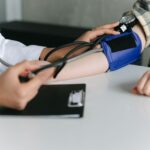
Use a validated upper-arm monitor, not a wrist or finger device. These are less accurate. Sit quietly for five minutes before measuring. Place the cuff on your bare arm at heart level. Do not drink caffeine or exercise within 30 minutes before measuring.
Take two readings one minute apart each morning and evening for a week. Record all readings and bring them to your appointment. Your doctor will use these numbers to adjust your treatment plan.
A normal blood pressure reading is below 120/80 mmHg. Elevated blood pressure is 120-129 systolic with diastolic below 80. Stage 1 hypertension is 130-139 systolic or 80-89 diastolic. Stage 2 hypertension is 140 or higher systolic or 90 or higher diastolic. These thresholds come from established clinical guidelines and are widely accepted.
When to Seek Immediate Medical Care
Most people with high blood pressure manage it at home without urgent issues. But certain readings require immediate attention. A blood pressure reading of 180/120 mmHg or higher is a hypertensive crisis.
If you have a reading this high and you also have chest pain, shortness of breath, back pain, numbness or weakness, changes in vision, or difficulty speaking, call 911 immediately. These symptoms may indicate organ damage from severely elevated blood pressure.
If your reading is 180/120 or higher but you have no symptoms, wait five minutes and check again. If it remains elevated, contact your doctor right away. Do not wait for a routine appointment.
Ignoring a severely elevated reading can lead to stroke, heart attack, kidney failure, or aortic dissection. These are medical emergencies with potentially permanent consequences.
Frequently Asked Questions
How quickly can lifestyle changes lower blood pressure?
Some changes work within hours, like a single exercise session which can lower blood pressure for up to 24 hours. Dietary changes like sodium reduction typically show measurable effects within two to four weeks.
Can I stop taking blood pressure medication once my numbers are normal?
No, do not stop without talking to your doctor first. Your numbers may be normal because the medication is working, and stopping it can cause blood pressure to rise dangerously.
Does drinking more water help lower blood pressure?
Staying hydrated helps your blood vessels function properly, but drinking extra water does not directly lower high blood pressure. Dehydration can actually cause blood pressure to drop too low, so focus on consistent, adequate hydration rather than excessive intake.
Is apple cider vinegar effective for lowering blood pressure?
No clinical evidence confirms that apple cider vinegar lowers blood pressure in humans. This is a popular internet claim without scientific support, and relying on it instead of proven treatments can be harmful.
