
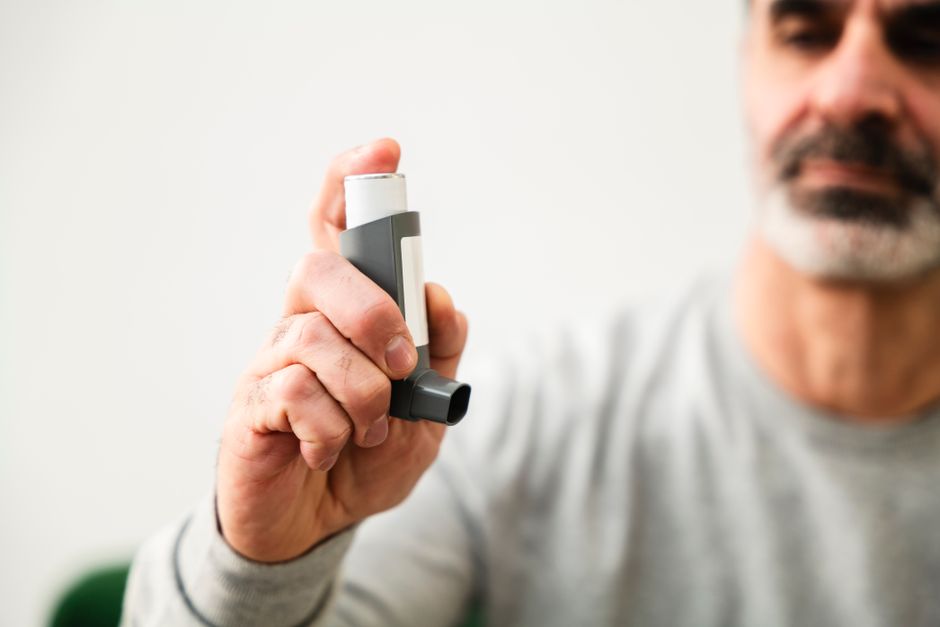
If you suspect you inhaled black mold, the first step is to leave the contaminated area immediately and get to fresh air. Next, rinse your mouth and nose with clean water, and monitor your symptoms closely. Most healthy people will only experience mild, temporary irritation, but if you develop breathing trouble, chest pain, or a fever, seek medical care right away.
What Does “Black Mold” Actually Mean?
The term “black mold” usually refers to Stachybotrys chartarum. It is a greenish-black fungus that grows on materials with high cellulose content, like drywall, wood, and paper, when they stay wet for long periods.
Not every dark-colored mold is Stachybotrys. Many molds look black or dark green. Only laboratory testing can identify the exact species. For health purposes, the exact species matters less than the fact that you are breathing in mold spores at all.
All molds can trigger allergic reactions or irritation. Stachybotrys gained extra attention because it produces mycotoxins, but the health effects of inhaled mycotoxins are still debated in the medical community. What is well established is that mold exposure can irritate the airways and trigger allergy symptoms in sensitive people.
What Happens When You Inhale Mold Spores?
When you inhale mold spores, your body’s immune system responds. In most people, the nose, throat, and airways filter out or expel many spores through sneezing, coughing, or mucus production.
In sensitive individuals, the immune system overreacts. This releases histamine and other inflammatory chemicals. The result is the classic allergy response: sneezing, a runny or stuffy nose, red or itchy eyes, and throat irritation.
For people with asthma or other chronic lung conditions, this inflammation can narrow the airways. That leads to wheezing, chest tightness, and shortness of breath. These symptoms can appear within minutes or take several hours to develop after exposure.
In rare and severe cases, prolonged high-level exposure can lead to a lung condition called hypersensitivity pneumonitis. This is an inflammatory lung disease that develops in susceptible people after repeated exposure to inhaled organic dust, including mold. It is not an infection. It is an immune reaction.
What To Do If You Inhale Black Mold: Immediate Steps
If you have been in a moldy environment and inhaled spores, take these steps promptly.
- Leave the area. Do not stay in the contaminated space to “tough it out.” Step outside or move to a clean, well-ventilated room.
- Flush your nasal passages. Rinse your nose with sterile saline spray or a neti pot using distilled or boiled-and-cooled water. This physically removes spores from the nasal lining.
- Rinse your mouth. Gargle with plain water. Do not swallow moldy water or intentionally ingest anything.
- Wash exposed skin. Shower and change clothes if you were in heavy contact with moldy materials. This prevents spores from lingering on your skin or hair.
- Monitor your symptoms. Write down when symptoms start and how they change over the next 24 to 48 hours.
These steps do not cure an allergic reaction. They reduce continued exposure and give your body a chance to clear the spores on its own.

Symptoms of Black Mold Exposure: What To Watch For
Symptoms from inhaling mold spores are mostly respiratory and allergic. They look very similar to seasonal allergies or a mild cold.
Common symptoms include:
- Sneezing and nasal congestion
- Runny nose or postnasal drip
- Itchy, watery, red eyes
- Sore or scratchy throat
- Coughing or wheezing
- Shortness of breath, especially in people with asthma
- Headache
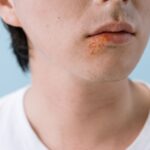
- Skin rash if mold touched the skin
These symptoms typically appear within hours of exposure. They usually resolve within a day or two once you are away from the mold source, though sensitive individuals may feel effects for several days.
More concerning symptoms require prompt medical evaluation. Go to urgent care or the emergency room if you experience:
- Difficulty breathing or shortness of breath at rest
- Chest pain or tightness
- Fever
- Coughing up blood
- Worsening asthma symptoms that do not respond to your rescue inhaler
These symptoms are not typical of simple mold exposure. They may indicate a respiratory infection, a severe asthma attack, or another condition that needs proper diagnosis.
When To See a Doctor
You do not need to see a doctor for mild, allergy-like symptoms that clear up within a couple of days. Over-the-counter antihistamines like cetirizine or loratadine can help manage sneezing and itching. Saline nasal rinses help with congestion.
See a doctor if your symptoms last longer than a week, keep getting worse, or interfere with your daily activities. Also see a doctor if you have a pre-existing lung condition like asthma or COPD and your symptoms flare after mold exposure.
There is no reliable blood test or allergy test that proves mold exposure caused your symptoms. Skin prick tests can show if you are allergic to specific mold species, but a positive test does not mean your current symptoms came from mold. Your doctor will base the diagnosis on your symptom history and physical examination.
For people with persistent symptoms and known mold exposure at home or work, a doctor may refer you to an allergist or pulmonologist. These specialists can run lung function tests and allergy panels to better understand your response.
How To Prevent Mold Exposure in Your Home
Prevention is more effective than treatment. Mold needs moisture to grow. Remove the moisture and you remove the mold.
Keep indoor humidity between 30 and 50 percent. Use exhaust fans in bathrooms and kitchens. Fix leaking pipes, roofs, or windows promptly. Dry water-damaged areas within 24 to 48 hours to prevent mold growth.
If you find mold in your home, small areas on hard surfaces can be cleaned with soap and water or a commercial mold cleaner. Wear gloves, goggles, and an N95 respirator mask during cleaning. Do not use bleach on porous surfaces like drywall or wood, because it does not penetrate deep enough to kill the roots of the mold colony.
For mold covering more than about 10 square feet, professional remediation is recommended. The U.S. Environmental Protection Agency suggests professional help for larger infestations, especially in heating and cooling ducts or areas contaminated by sewage.
If you are highly allergic to mold or have asthma, you should not do the cleanup yourself. Ask someone without respiratory sensitivities to handle it, or hire a professional.
Do Air Purifiers or Masks Help?
HEPA air purifiers can reduce airborne mold spores in a single room. They are useful after the mold source has been removed and cleaned. They do not fix an active mold problem. If mold is still growing on a damp wall, an air purifier will not stop spore release.
Standard cloth masks do not filter out mold spores effectively. N95 respirators filter at least 95 percent of airborne particles and are the minimum protection recommended for mold cleanup. Even with an N95 mask, you should limit time in heavily contaminated areas.
These measures reduce exposure. They do not prevent allergic reactions once spores are inhaled.
Can Mold Exposure Cause Long-Term Health Problems?
For healthy people, a single inhalation event is unlikely to cause permanent lung damage. The immune system clears the spores and symptoms resolve.
Chronic exposure is a different situation. People who live or work in water-damaged buildings for months or years may develop persistent respiratory symptoms. Research in the medical literature has linked damp indoor environments to asthma development, asthma exacerbations, and respiratory infections. The World Health Organization and the U.S. Centers for Disease Control and Prevention both recognize dampness and mold as risk factors for respiratory illness.
Claims that black mold causes memory loss, fatigue, or “toxic mold syndrome” are not supported by rigorous clinical evidence. Some people report these symptoms, but large controlled studies have not confirmed a causal link between inhaled mold and neurological effects. If you have these symptoms, they deserve medical attention, but mold exposure is not an established explanation.
Myths About Black Mold: What Not To Believe
Several myths about black mold circulate online. They cause unnecessary fear and sometimes lead people to make unwise decisions.
Myth: Black mold is always deadly. This is false. Most healthy people experience mild, temporary symptoms. Severe illness is rare and typically occurs in people with weakened immune systems, severe asthma, or chronic lung disease.
Myth: You need to “detox” your body after mold exposure. Your liver and kidneys process and eliminate toxins continuously. No clinical evidence supports special detox diets, supplements, or cleanses for mold exposure. These products are not regulated and have no proven benefit.
Myth: Bleach kills mold permanently. Bleach kills surface mold but does not penetrate porous materials. The mold regrows within days. Removing the water source and replacing porous contaminated materials is the only lasting solution.
If you are worried about mold in your environment, testing the air or surfaces is rarely necessary. Visible mold means there is a moisture problem. Fix the moisture problem and clean up the mold. That is the standard approach recommended by public health agencies.
Frequently Asked Questions
How quickly do black mold symptoms appear?
Allergy symptoms like sneezing and coughing usually appear within minutes to hours of exposure. More serious respiratory symptoms can take several hours to develop.
Can inhaling black mold once make you sick?
A single exposure in a healthy person rarely causes more than temporary irritation or allergy symptoms. Serious illness is uncommon and mostly affects people with asthma, weakened immune systems, or chronic lung disease.
Should I go to the emergency room for mold exposure?
Go to the emergency room if you have difficulty breathing, chest pain, a fever, or coughing up blood. Mild allergy symptoms do not require emergency care.
Is black mold exposure treatable at home?
Mild symptoms can be managed at home with over-the-counter antihistamines and saline nasal rinses. Leaving the contaminated environment is the most important step. Persistent or worsening symptoms need medical evaluation.
