
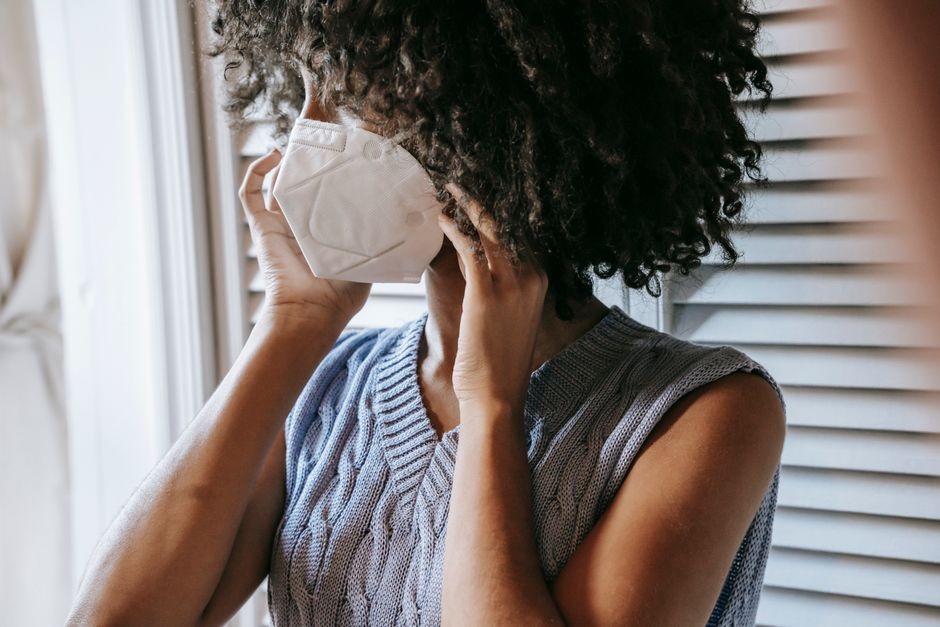
Most viral illnesses — the common cold, flu, stomach bugs, and respiratory infections — get better on their own. The main job of self-care is to help your body rest, stay hydrated, and manage symptoms while your immune system does the work. Antibiotics do not treat viruses, and in most healthy adults, a virus runs its course in days to a couple of weeks.
What To Do If You Have A Virus Self Care Steps
The core self-care steps for a viral illness are simple and well established: rest, drink fluids, eat if you feel like it, and treat symptoms like fever and aches with over-the-counter medicine if you need it. None of these steps kill the virus. They support your body while your immune system clears the infection.
Here is what that looks like in practice:
- Rest. Your body is using energy to fight the infection. Sleep and quiet activity help. There is no evidence that pushing through a virus speeds recovery.
- Fluids. Fever, sweating, vomiting, and diarrhea all pull water out of your body. Water, broth, and oral rehydration solutions replace what you lose. Alcohol and large amounts of caffeine work against you here.
- Food. Eat when you are hungry. There is no strong evidence that forcing food or avoiding food changes how a virus runs. If you have no appetite for a day or two, that is normal.
- Fever and aches. Acetaminophen or ibuprofen can lower fever and ease body aches. Follow the label. Do not take more than one product containing acetaminophen at the same time — it is in many cold and flu medicines.
- Throat and nose. Saltwater gargles, honey in warm water (not for children under 1 year), and saline nasal rinses can ease throat and sinus symptoms.
One point that gets lost: fever itself is not the enemy. It is part of the immune response. Treating a mild fever for comfort is reasonable. Treating it only to make a number on a thermometer go down does not shorten the illness.
How Long Does a Viral Illness Usually Last?
Timelines depend on the virus, but most common viral infections follow a predictable arc. A cold typically peaks in two to three days and improves within about a week to ten days, though a cough can linger for two weeks or longer. Influenza tends to hit harder and faster, with fever and body aches lasting several days and fatigue persisting for a week or more.
Stomach viruses usually cause vomiting and diarrhea for one to three days. Respiratory viruses like RSV and COVID-19 vary widely — some people have mild symptoms for a few days, others are sick for two weeks or more.
A lingering cough or runny nose after other symptoms fade is common and does not always mean you are still contagious. Post-viral cough can last for weeks as irritated airways heal.
When Should You See a Doctor for a Virus?
Most viral illnesses do not need a doctor visit. Some situations do. Seek medical care if you notice any of the following:
- Trouble breathing, shortness of breath, or chest pain
- A fever that does not come down with medicine, or a fever that returns after improving
- Signs of dehydration — very dark urine, no urination for many hours, dizziness on standing, or a dry mouth
- Confusion, extreme sleepiness, or trouble waking
- Symptoms that get worse after day five instead of better
- A stiff neck, severe headache, or rash that does not fade when pressed
Certain people should set a lower bar for calling a doctor: infants and young children, adults over 65, pregnant women, and anyone with a weakened immune system or a chronic condition like asthma, diabetes, or heart disease. For these groups, a virus that would be minor for most people can become serious.




Do Over-the-Counter Cold Medicines Actually Work?
The evidence here is mixed, and it depends on the symptom. Pain relievers like acetaminophen and ibuprofen reliably reduce fever and body aches. Decongestants can shrink swollen nasal tissue for a few hours, though they can raise blood pressure and cause jitteriness. Oral decongestant phenylephrine has been questioned — an FDA advisory panel concluded it is not effective when taken by mouth, though it is still sold in some products.
Antihistamines are sometimes used for runny nose and sneezing. First-generation ones like diphenhydramine cause drowsiness, which some people find helpful at night. Cough suppressants like dextromethorphan may reduce coughing a little. Expectorants like guaifenesin are widely used to loosen mucus, but the evidence that they meaningfully help is weak.
None of these shorten a viral illness. They manage symptoms. That is a real benefit, but it is not the same as a cure. And multi-symptom cold products often contain several drugs at once, which raises the risk of accidental double-dosing.
Does Vitamin C, Zinc, or Echinacea Help With a Virus?
This is where marketing and evidence part ways. Vitamin C taken regularly does not prevent colds in most people, and taken after symptoms start, it does not reliably shorten them. Some studies suggest it may slightly reduce cold duration in people under extreme physical stress, like marathon runners or soldiers in cold climates — a narrow group.
Zinc is more interesting. Some studies suggest zinc lozenges started within 24 hours of symptoms may shorten a cold by a day or so. Other studies found no benefit. The evidence is genuinely mixed, and zinc lozenges can cause nausea and a metallic taste. Long-term high-dose zinc can interfere with copper absorption.
Echinacea has been studied for decades with inconsistent results. Some trials show a small reduction in cold duration; others show nothing. No large, well-designed trial has confirmed a clear benefit.
The honest summary: none of these are proven to cure or reliably shorten a viral illness. If you want to try zinc lozenges early in a cold, the evidence is not strong either way. Do not take high doses of anything for weeks on end without talking to a doctor.
Can You Spread a Virus Before You Feel Sick?
Yes, and this is one of the most misunderstood parts of viral illness. For many respiratory viruses, including influenza and SARS-CoV-2, people can spread the virus a day or two before symptoms appear. Some people spread it without ever feeling sick.
That is why handwashing, covering coughs, and staying home when you are sick matter — not just to protect yourself, but to protect people around you who may be more vulnerable. A virus that is mild for you can be serious for an infant, an older adult, or someone undergoing cancer treatment.
How long you are contagious varies by virus. For a cold, you are most contagious in the first few days. For flu, you can spread it from about a day before symptoms start until several days after. For stomach viruses, you can shed the virus in stool for days after you feel better, which is why handwashing after the bathroom matters so much.
What About Rest, Sleep, and Stress?
Sleep is one of the few self-care factors with solid evidence behind it. Studies consistently show that people who sleep poorly are more likely to get sick when exposed to a cold virus, and poor sleep is linked to slower recovery. During an active infection, sleep supports the immune response.
Stress works the other way. Chronic psychological stress is associated with more frequent and more severe respiratory infections in research studies. The mechanism involves cortisol and other stress hormones that can dampen immune function over time.
This does not mean you can think your way out of a virus. It means the basics — sleep, reasonable stress management, not running yourself into the ground — are not just comfort measures. They are part of how your body fights infection.
What Not to Do When You Have a Virus
Some common habits work against recovery. Antibiotics do not treat viruses, and taking them unnecessarily can cause side effects and contribute to antibiotic resistance. Do not ask for antibiotics for a cold or flu unless a doctor suspects a bacterial infection on top of the virus.
Do not push through with intense exercise while you are feverish or have body aches. Some clinicians recommend waiting until symptoms are gone before returning to hard training, though the evidence on exactly when to resume is not strong. Light movement like a short walk is generally fine if you feel up to it.
Do not ignore warning signs. Feeling slightly better and then much worse a few days later can signal a secondary bacterial infection like pneumonia or a sinus infection. That pattern deserves a call to a doctor.
And do not rely on supplements or “immune boosters” to do the work. No product currently on the market is proven to cure a viral infection. Your immune system does that, and it does it better when you rest, hydrate, and give it time.
Frequently Asked Questions
How long should I stay home with a virus?
Stay home while you have a fever and for at least 24 hours after the fever breaks without fever-reducing medicine. For most respiratory viruses, you are most contagious in the first few days of symptoms.
Should I take antibiotics for a virus?
No. Antibiotics only treat bacterial infections and have no effect on viruses. Taking them unnecessarily can cause side effects and contribute to antibiotic resistance.
What is the fastest way to get over a virus?
There is no fast cure. Rest, fluids, and symptom relief support your body while your immune system clears the infection, which usually takes days to a couple of weeks depending on the virus.
When should I go to the ER with a virus?
Go to the ER for trouble breathing, chest pain, confusion, a stiff neck, signs of severe dehydration, or a fever that will not come down. These can signal a more serious infection or complication.
