
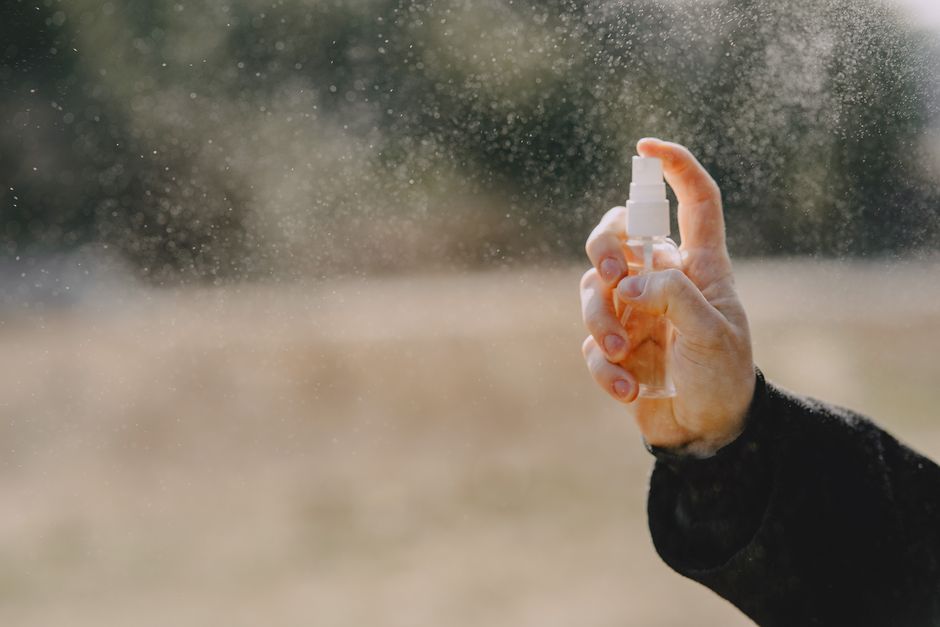
If a skunk sprays you, the first thing to do is get away from the animal and check your eyes. If spray got in your eyes, rinse them with clean, cool water for 15 to 20 minutes and seek medical care. If your eyes are fine, the priority is washing the oil off your skin and out of your hair as soon as you can, using a mix that neutralizes the smell rather than just covering it.
Skunk spray is not dangerous to most people, but it is an oil. That matters, because oil and water do not mix. Plain soap and water will not fully remove it. The smell comes from sulfur-based compounds called thiols, and the right home mixture chemically changes those compounds so they stop smelling.
What Is Skunk Spray Made Of?
Skunk spray is a yellowish oil produced by two glands near the base of the tail. The main odor compounds are thiols, which are sulfur-containing chemicals. If that word sounds familiar, it is because thiols are also added to natural gas so people can smell a leak. They are detectable by the human nose at extremely low concentrations.
This is why skunk smell lingers so long and travels so far. A tiny amount goes a long way. The oil also clings to skin, hair, clothing, and pet fur, and it does not evaporate quickly.
Skunks usually give a warning before they spray. They stomp their front feet, hiss, and raise their tail. Spraying is a last resort, because it takes the skunk days to rebuild its supply. If you see the stomping and tail-raising, backing away slowly is your best move.
What To Do If You Get Sprayed By A Skunk?
Move away from the animal first, then deal with your body in this order.
- Eyes: If spray reached your eyes, rinse with clean, cool water for 15 to 20 minutes. Then get medical attention. Eye exposure can cause burning, redness, and temporary irritation.
- Skin and hair: Wash with the deodorizing mixture below. Work it in well and let it sit for a few minutes before rinsing.
- Clothing: Take it off and keep it away from the rest of your laundry. Wash it separately.
- Pets: If a dog or cat was sprayed, keep them outside or in a garage until you can wash them. Do not let them onto furniture or beds first.
Do not scrub hard with a dry towel. That just spreads the oil. Do not rub your eyes with your hands before washing them.
What Is The Best Home Mixture To Remove Skunk Smell?
The most widely used home remedy is a mixture of baking soda, hydrogen peroxide, and liquid dish soap. The chemistry is straightforward. Hydrogen peroxide oxidizes the thiols, changing them into compounds that do not smell. Baking soda helps balance the reaction, and the dish soap lifts the oil so it can be rinsed away.
The proportions commonly cited are:
- 1 quart of 3 percent hydrogen peroxide (the standard drugstore strength)
- 1/4 cup of baking soda
- 1 to 2 teaspoons of liquid dish soap
Mix it in an open container, not a sealed bottle. It produces oxygen gas and can burst a closed lid. Use it right away, because it loses strength as it sits. Work it into the fur or hair, leave it for a few minutes, then rinse thoroughly. Repeat if needed.
Keep it out of the eyes. Hydrogen peroxide can irritate eyes and damaged skin. For the face, use a cloth to apply it carefully and avoid the eye area entirely.
One important limit: this mixture is for skin and hair, not for eyes, and not for internal use. If you have an open wound or broken skin in the sprayed area, rinse with plain water and talk to a healthcare provider before using peroxide on it.





Does Tomato Juice Actually Work?
No. Tomato juice is the most common piece of skunk advice, and it does not neutralize thiols. It masks the smell for a short time and adds its own strong odor on top. Once the tomato juice fades, the skunk smell is still there.
Tomato juice also adds acid and sugar to hair and skin, which can leave its own residue. It is not harmful in most cases, but it does not solve the problem. If tomato juice is all you have in the moment, it may make the next hour more bearable, but it is not a fix.
How Do You Get Skunk Smell Out Of Clothes, Cars, And Furniture?
Anything porous that absorbed the oil needs separate attention. The same chemistry applies, but the surface changes how you use it.
- Clothing and bedding: Wash separately from other laundry. Use your normal detergent plus half a cup of baking soda. Air dry outside if possible. You may need to wash more than once.
- Car interiors: Wipe hard surfaces with a cloth dampened with the peroxide mixture, then wipe with clean water. For upholstery, some people use an enzyme-based pet odor cleaner, though evidence on how well these work on skunk thiols specifically is limited.
- Furniture and carpets: Baking soda sprinkled on and vacuumed up can help with surface odor. For deep oil penetration, professional cleaning may be the realistic option.
- Air: Open windows and use fans. The smell fades with ventilation over days, not minutes.
Do not mix the peroxide mixture with bleach or ammonia. That combination can create dangerous fumes.
Is Skunk Spray Dangerous?
For most people, skunk spray causes irritation and a bad smell, not serious harm. The oil can irritate skin, eyes, and the respiratory tract. Symptoms usually settle once the oil is removed.
There are rare reports of more serious reactions, including a condition in which skunk spray exposure was linked to temporary blood changes. These reports are uncommon and mostly involve heavy, prolonged exposure. If you develop persistent breathing trouble, chest tightness, or severe eye pain after exposure, get medical care.
Skunk spray itself does not transmit rabies. Rabies is spread through bites and saliva, not spray. However, if a skunk bit or scratched you, that is a separate medical issue and needs prompt attention. Rabies is almost always fatal once symptoms appear, so any bite or scratch from a skunk should be evaluated by a healthcare provider right away.
Skunks can also carry other diseases, and a skunk that is active during the day, unafraid of people, or acting strangely may be sick. Do not approach it.
How Long Does Skunk Smell Last?
On skin and hair that are washed properly, the worst of the smell usually fades within a day or two. On unwashed clothing, furniture, or in a closed car, it can linger for weeks or longer. The oil is persistent, and it re-releases odor over time.
Repeated washing helps. So does time and fresh air. There is no single product that removes it instantly and completely. Anyone who tells you otherwise is selling something.
How Do You Avoid Getting Sprayed In The First Place?
Skunks are not aggressive by nature. Most spraying happens when a person or pet surprises one, especially at dusk or after dark when skunks are most active.
- Turn on lights before letting pets out at night.
- Keep dogs on a leash during evening walks.
- Never corner or try to pick up a skunk.
- If you see one, give it space and walk away slowly. Do not run, which can trigger a spray.
- Secure trash cans and remove food sources that attract skunks to your yard.
If your dog gets sprayed, the dog usually takes the hit, not you. Wash the dog outdoors with the same mixture, keeping it away from the dog’s eyes and mouth.
Frequently Asked Questions
What should I do first if a skunk sprays me?
Get away from the skunk and check your eyes. If spray got in your eyes, rinse with cool water for 15 to 20 minutes and seek medical care; otherwise, wash your skin and hair with a baking soda, hydrogen peroxide, and dish soap mixture.
Does tomato juice remove skunk smell?
No. Tomato juice masks the odor briefly but does not neutralize the thiol compounds that cause the smell, so the skunk odor returns once the tomato juice fades.
Is skunk spray harmful to humans?
For most people it causes irritation and a strong odor rather than serious harm. Rare, more serious reactions have been reported with heavy exposure, and any skunk bite or scratch needs prompt medical evaluation because of rabies risk.
How long does skunk smell last on skin and clothes?
On washed skin and hair, the worst of it usually fades within a day or two. Unwashed clothing, furniture, and car interiors can hold the odor for weeks or longer.
