
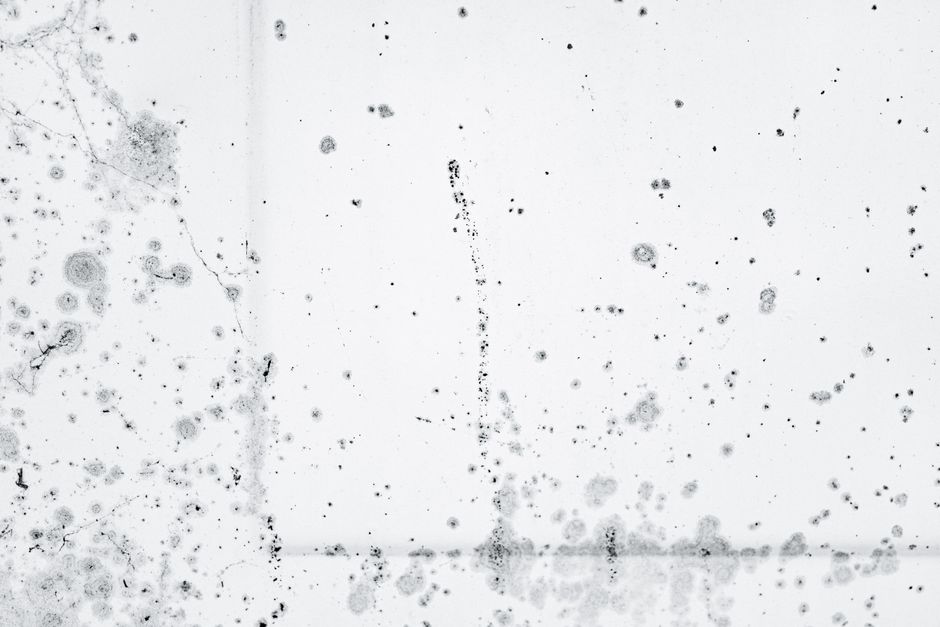
Finding black mold in your home is unsettling, and the first question most people ask is whether it is dangerous. The honest answer is that “black mold” is not one substance. It is a loose label for several dark-colored molds, and only some of them produce toxins. The mold itself is rarely the main health threat. The moisture feeding it usually is. Your priorities are to limit exposure, remove the mold, and fix the water problem that let it grow.
What Is Black Mold and Why Does It Grow Indoors?
Many molds look black. Stachybotrys chartarum is the species most people mean when they say black mold, but several other molds also appear black or dark green. You cannot identify mold species by color alone. That requires lab testing.
All molds need moisture to grow. Indoors, that moisture comes from somewhere specific: a leak, a flood, high humidity, or condensation on cold surfaces. Mold spores are everywhere in outdoor and indoor air. They only become a problem when they land on a wet surface and start to multiply.
The material matters too. Stachybotrys tends to grow on cellulose-rich surfaces that stay wet for a long time, such as drywall paper, ceiling tiles, and wood. It does not usually grow on tile, plastic, or metal unless dirt and organic residue have built up there. It also does not grow on dry surfaces. Water is the deciding factor.
This is why “killing” mold without fixing the moisture does not work. Dead mold spores can still trigger reactions, and new growth returns as soon as the surface gets wet again.
Is Black Mold Actually Dangerous?
The health effects of indoor mold are real but often overstated in both directions. Mold exposure is linked to respiratory symptoms, nasal congestion, coughing, wheezing, and eye or throat irritation. People with asthma or mold allergies tend to react more strongly. These effects are well documented.
The claim that black mold causes severe neurological damage or chronic illness in otherwise healthy people is not supported by strong evidence. Stachybotrys can produce mycotoxins, and those toxins are a genuine concern in certain settings, but the levels found in typical home mold growth are not well established as a cause of serious disease. Most reported problems are allergic and irritant reactions, not toxic poisoning.
Some people are more vulnerable:
- People with asthma or known mold allergies
- Infants and young children
- Older adults
- People with weakened immune systems
- Anyone with a chronic lung condition
If you fall into one of these groups, take mold growth more seriously and consider staying out of the affected area until it is cleaned. For everyone, the sensible approach is the same: reduce exposure and remove the source. You do not need to panic, but you should not ignore it either.
What Should You Do First If You Find Black Mold?
Protect yourself before you touch anything. Mold releases spores when disturbed, so the goal is to avoid breathing them in.
- Keep people with asthma, allergies, or weakened immune systems away from the area.
- Shut off the water source if there is an active leak.
- Improve ventilation by opening windows if outdoor conditions allow.
- Wear an N95 respirator, gloves, and eye protection.
- Do not dry-scrape or brush mold, which sends spores into the air.
If the mold covers a large area, or if it grew after sewage or floodwater contamination, do not handle it yourself. In those cases, professional remediation is the safer route. A common guideline used by public health agencies is that mold growth larger than roughly 10 square feet — about a 3-by-3 foot patch — is a reasonable point to bring in a professional. Smaller patches on hard surfaces can often be handled with basic precautions.
One point people often miss: bleach is not the answer for porous materials. On drywall, wood, or ceiling tiles, bleach cannot reach mold roots inside the material. The affected section usually needs to be removed and replaced. On non-porous surfaces like tile or glass, cleaning can work.





How Do You Remove Mold Safely?
For small areas on hard, non-porous surfaces, cleaning is straightforward. Use a detergent solution or a commercial mold cleaner. Scrub the surface, then dry it completely. Household bleach solutions are sometimes used on non-porous surfaces, but they are not more effective than detergent on most materials and can be hazardous in enclosed spaces. Never mix bleach with ammonia or other cleaners.
For porous materials that are moldy, removal is usually the correct step. That includes:
- Drywall and wallboard
- Ceiling tiles
- Insulation
- Carpet and padding
- Paper and cardboard
Bag these materials, seal the bags, and dispose of them. Do not try to salvage them. Once mold has colonized the interior of a porous material, cleaning the surface does not remove the growth inside.
After cleaning, dry the area thoroughly. Fans and dehumidifiers help. The surface must be fully dry before you consider the job done, because any remaining moisture allows mold to return.
How Do You Fix the Moisture Problem?
Removing mold without fixing the water source guarantees it comes back. This is the part people skip, and it is the part that actually solves the problem.
Common moisture sources include:
- Roof leaks and flashing failures
- Plumbing leaks behind walls or under sinks
- Poor drainage around the foundation
- High indoor humidity
- Condensation on cold pipes or windows
- Wet basements or crawl spaces
Indoor humidity is worth attention. Keeping indoor relative humidity below about 60 percent discourages mold growth, and many sources suggest aiming for 30 to 50 percent. A hygrometer is inexpensive and tells you where you stand. Fix leaks promptly, run exhaust fans in bathrooms and kitchens, and address any standing water.
If you cannot find the moisture source, that is a sign to bring in a qualified inspector. Mold is a symptom. The water is the disease.
When Should You Call a Professional?
Professional remediation makes sense in several situations. The mold covers a large area. It grew after flooding or sewage backup. It is inside walls, HVAC systems, or crawl spaces. Or you have tried to clean it and it keeps returning.
Be cautious about mold testing companies that also sell remediation. Some operate with a conflict of interest. If you want independent verification, look for an inspector with no financial stake in the cleanup. For remediation itself, ask about their process, containment methods, and how they verify the work is complete. The goal is not just visible cleanliness but a dry, mold-free environment.
Not every situation requires a professional. A small patch on a bathroom tile that you can clean and keep dry is a do-it-yourself job. A wall full of mold after a slow leak is not.
The Bottom Line on Black Mold
Black mold is a moisture problem wearing a scary mask. The health risks are real for sensitive people, but the dramatic claims about severe illness in healthy adults are not well supported. Your best response is calm and practical: limit exposure, remove the mold, and fix the water. Do those three things and you have addressed the actual problem.
Frequently Asked Questions
Is black mold dangerous to healthy people?
For most healthy people, black mold causes irritation and allergic symptoms rather than serious illness. The severe health effects often described online are not well supported by strong evidence in typical home exposure.
Can I remove black mold myself?
Small patches on hard surfaces can often be cleaned with basic precautions like gloves, eye protection, and an N95 respirator. Larger areas, or mold in porous materials like drywall, usually call for professional removal.
Does bleach kill black mold?
Bleach can clean mold off non-porous surfaces but cannot reach mold roots inside porous materials like drywall or wood. For those materials, removal and replacement is usually the correct approach.
Will black mold come back after cleaning?
Mold returns if the moisture source is not fixed, because mold needs water to grow. Removing the mold without addressing the underlying leak or humidity problem does not solve it.
