
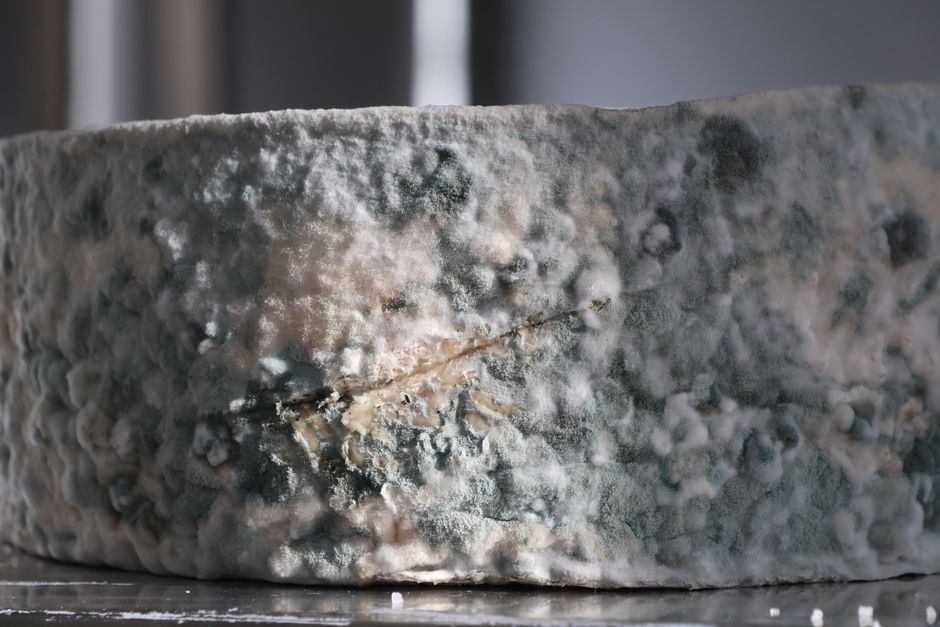
If you ate moldy bread, the most likely outcome is that nothing happens. Most mold on bread is not dangerous in small amounts, and your stomach acid and immune system handle it. The bigger concern is aflatoxin, a toxin produced by certain molds that can grow on grains and nuts. If you ate one or two slices and feel fine, there is no need to panic or see a doctor. If you have severe stomach pain, vomiting, or an allergic reaction, seek medical care.
What To Do If You Ate Moldy Bread?
First, stop eating the bread immediately. Check whether you swallowed any mold at all, or if you just noticed it after the fact. Most people who eat moldy bread realize it after one bite.
Drink some water. This won’t “flush out” mold in any special way, but staying hydrated is sensible if you feel queasy. There is no antidote, no activated charcoal needed at home, and no reason to induce vomiting.
Watch for symptoms over the next few hours. Most reactions to mold in food — if they happen at all — are gastrointestinal: nausea, stomach cramps, or diarrhea. Some people may have an allergic reaction, especially if they have mold allergies or asthma. Signs include sneezing, runny nose, itchy eyes, or in rare cases, wheezing.
If you have no symptoms, you do not need to do anything else. There is no test to confirm you ate mold, and no treatment for an exposure that causes no problems.
Call a doctor or poison control if you develop severe abdominal pain, persistent vomiting, blood in your stool, difficulty breathing, or swelling of the face or throat. These are uncommon but warrant prompt evaluation.
Is Mold On Bread Actually Dangerous?
Most mold on bread is harmless in small amounts. The molds that commonly grow on bread — species of Penicillium, Aspergillus, Rhizopus, and others — are widespread in the environment. You inhale mold spores every day.
The concern is not the mold itself but the mycotoxins some molds produce. Mycotoxins are toxic compounds that certain fungi make as they grow. The most studied one in grains is aflatoxin, produced by Aspergillus flavus and Aspergillus parasiticus. Aflatoxin is a known liver carcinogen and is tightly regulated in the US food supply.
However, aflatoxin is far more common in crops like corn, peanuts, and tree nuts than in bread. Commercial bread producers test grain and follow FDA limits for mycotoxins. That said, bread is not sterile. Once it is baked and packaged, mold spores from the air can land on it and grow, especially in warm, humid conditions.
The mold you see on bread is usually not aflatoxin-producing. But you cannot tell by looking. Some molds produce mycotoxins, some do not, and the same species may produce them only under certain conditions.
How Much Mold Is Harmful?
There is no established threshold for how much mold a person can safely eat. No health agency publishes a “safe dose” of moldy bread. This is partly because mold growth is unpredictable — the type of mold, the moisture level, the temperature, and how long it has been growing all affect whether mycotoxins are present and in what amount.
What is known: a single bite or slice with a small spot of mold is very unlikely to cause harm in a healthy adult. The dose of mycotoxin from that amount would be extremely low. Serious illness from eating moldy bread is rare and usually involves repeated exposure or a weakened immune system.
People at higher risk include those with compromised immune systems, such as people undergoing chemotherapy, organ transplant recipients, or those with advanced HIV. For these individuals, mold exposure can lead to opportunistic infections. If you fall into this category and ate moldy bread, contact your doctor even if you feel fine.



Does Cutting Off The Moldy Part Make It Safe?
No. Cutting off the visible mold does not make the rest of the bread safe. Mold forms root-like structures called hyphae that extend into the bread far beyond the surface you can see. By the time mold is visible, those threads have likely spread through much of the loaf.
Mycotoxins can also diffuse into surrounding areas. The USDA and food safety authorities consistently advise discarding moldy bread entirely — not salvaging the clean-looking parts. This is different from hard cheeses or firm vegetables, where mold is surface-level and the surrounding area can sometimes be cut away with a margin. Bread is soft and porous, so mold penetrates easily.
The same rule applies to other soft foods: leftover pasta, jam, soft cheese, yogurt, and cooked leftovers. If you see mold, throw it out.
What Symptoms Should You Watch For?
Most people have no symptoms at all. When symptoms do occur, they usually appear within a few hours to a day.
- Gastrointestinal: nausea, stomach cramps, vomiting, diarrhea
- Allergic: sneezing, runny nose, itchy or watery eyes, skin rash
- Respiratory (rare): wheezing, coughing, shortness of breath
- Severe (very rare): facial or throat swelling, difficulty breathing, high fever, blood in stool
Allergic reactions are more likely in people who already have mold allergies or asthma. If you have a known mold allergy and develop respiratory symptoms after eating moldy bread, treat it as you would any allergic reaction and seek medical help if it worsens.
Severe reactions are rare from a single exposure. If you have eaten moldy bread repeatedly over time — for example, from a batch of contaminated grain — that is a different situation. Chronic exposure to aflatoxin is linked to liver damage and liver cancer, but this is a long-term risk from contaminated food supplies, not from one slice of bread.
Should You See A Doctor?
For most healthy adults who ate a small amount of moldy bread and feel fine, no. There is nothing to treat and no test that would change anything.
See a doctor if:
- You have severe or persistent vomiting or diarrhea
- You have severe abdominal pain
- You have difficulty breathing or facial swelling
- You have a weakened immune system
- Symptoms last more than a day or two
If you are unsure, calling your doctor or a poison control center is reasonable. Poison control handles questions about food contamination and can tell you whether your situation needs evaluation. You do not need to bring the bread.
How To Prevent Mold On Bread
Mold needs moisture and warmth. Keeping bread dry and cool slows mold growth.
- Store bread in a cool, dry place — not above the refrigerator or near the stove
- Keep it in a paper bag or breathable wrap rather than sealed plastic, which traps moisture
- Freeze extra bread if you won’t eat it within a few days
- Check bread before eating, especially if it’s been sitting out for several days
- Throw out bread at the first sign of mold — do not try to salvage it
Refrigeration slows mold but makes bread stale faster. Freezing is the better option for longer storage. If you see mold on one slice in a bag, assume the whole loaf is affected and discard it.
What About Mold On Other Foods?
The rules differ by food. On hard, dense foods like hard cheese (Parmesan, cheddar), firm vegetables (carrots, bell peppers), and salami, mold is usually surface-level. You can cut off at least one inch around and below the mold and keep the rest.
On soft or porous foods, mold spreads throughout. This includes bread, soft cheese (cottage cheese, cream cheese, Brie), yogurt, jam, soft fruits, and leftovers. Discard these entirely.
Nuts and grains are a special case because of aflatoxin. If nuts or corn taste bitter or look moldy, spit them out and throw them away. Aflatoxin is not destroyed by cooking or roasting at normal temperatures.
Frequently Asked Questions
What happens if you accidentally eat moldy bread?
Most likely nothing. Your stomach acid and immune system handle small amounts of mold, and serious illness from a single exposure is rare.
How long after eating moldy bread would you get sick?
Symptoms, if they occur, usually appear within a few hours to a day. Most people have no symptoms at all.
Can you die from eating moldy bread?
Death from a single exposure to moldy bread is extremely unlikely in a healthy person. The serious risk comes from long-term exposure to aflatoxin in contaminated food supplies, not one slice.
Should I throw away the whole loaf if one slice is moldy?
Yes. Mold threads and mycotoxins can spread through the loaf beyond the visible spot, so the whole loaf should be discarded.
