
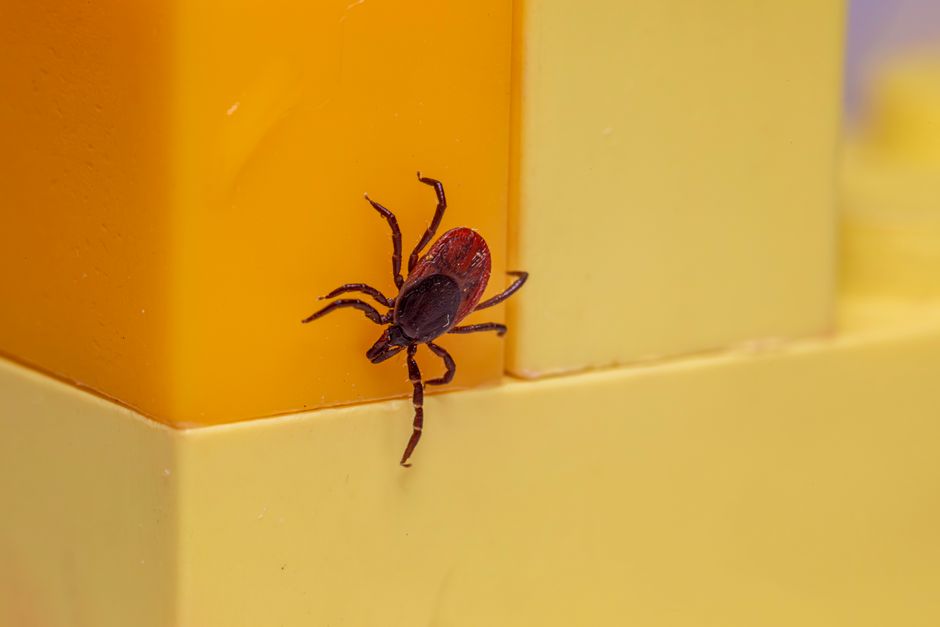
Finding a tick on your skin is unsettling. Finding the tick’s head still buried after you pull the body off is worse. Here is the direct answer: do not panic, and do not dig aggressively. Use a clean, sterile needle or tweezers to gently remove the remaining mouthparts if they are easily accessible. If you cannot remove them cleanly, leave the head alone and let your skin push it out naturally over the next few days. Clean the area with rubbing alcohol or soap and water, and watch for signs of infection or illness.
Why Does a Tick’s Head Break Off in the First Place?
Ticks are built to stay attached. Their mouthparts include barbed structures called hypostomes, which anchor firmly into your skin. Some tick species also secrete a cement-like substance that helps hold them in place for days.
When you pull a tick out quickly or twist it improperly, those barbed mouthparts can snap off. The body comes away, but the head remains embedded. This is common, and it happens to people who do everything right.
Understanding the anatomy helps. The tick’s head is not a separate structure like a human head. It is a small cluster of mouthparts. When the head breaks off, what is left is usually a tiny dark dot in the skin, often no bigger than the period at the end of this sentence.
What To Do If A Tick’s Head Breaks Off In Skin
Start by sterilizing fine-tipped tweezers or a needle with rubbing alcohol. If you can see the mouthparts clearly and they are close to the surface, you can try to grasp them gently at the skin surface and pull straight out with steady, even pressure.
Do not twist, squeeze, or dig. Twisting can break the mouthparts further. Squeezing the embedded head can push saliva or gut contents deeper into your skin, which increases the risk of pathogen transmission.
If the head is not easily visible or you cannot grasp it without digging, stop. Leave it in place. The skin will treat the tick head as a foreign object and work it to the surface over several days. This natural process is safe in most cases.
After any attempt, clean the area thoroughly with rubbing alcohol or soap and water. Apply an antibiotic ointment if you have one. Cover with a bandage if the area is raw or bleeding.
What Not To Do
Several popular methods for removing tick heads are ineffective or dangerous. Avoid them.
- Do not use a hot match or lighter. Heat can cause the tick to regurgitate fluids into your skin, increasing infection risk. It can also burn you.
- Do not smother the head with petroleum jelly, nail polish, or alcohol. The head is already detached from the body. Smothering does nothing except delay removal and irritate the skin.
- Do not squeeze the skin around the head. This can push the mouthparts deeper or inject tick fluids into the wound.
- Do not dig with a non-sterile object. Introducing bacteria into the wound raises the risk of secondary infection.
If you used tweezers and the head is still there after a gentle attempt, stop. Further attempts will likely make things worse.




What Happens If You Leave the Head In?
In most cases, the body will expel the tick head on its own within a few days to two weeks. The skin creates a small inflammatory response around the foreign material, which helps push it outward. You may notice a small red bump, mild swelling, or slight tenderness. This is normal and does not mean you have a tick-borne illness.
If the head remains under the skin for more than two weeks, or if the area becomes increasingly red, warm, painful, or starts draining pus, see a healthcare provider. They can remove the remaining material in a sterile setting.
One important point: leaving the head in does not increase your risk of Lyme disease or other tick-borne infections. The infection risk comes from the tick’s saliva and gut contents, which are introduced during the bite itself — not from the detached mouthparts left behind.
When To See a Doctor
Most tick head remnants do not require medical attention. But certain situations warrant a call to your doctor.
Seek medical care if you cannot remove the head and it remains visible after several days. See a doctor if the bite site shows signs of infection: expanding redness, warmth, swelling, pus, or red streaks moving away from the bite.
Also watch for systemic symptoms over the following weeks. Fever, chills, headache, muscle aches, fatigue, or a distinctive bull’s-eye rash (erythema migrans) can indicate a tick-borne illness. These symptoms require prompt medical evaluation regardless of whether the tick head was removed.
If you are unsure how long the tick was attached, tell your doctor. The duration of attachment matters for assessing disease risk. Ticks generally need to be attached for 24 to 48 hours or more to transmit certain pathogens, though this varies by organism and tick species.
How To Remove a Tick Properly Next Time
Prevention is the best strategy. Proper tick removal greatly reduces the chance of the head breaking off.
Use fine-tipped tweezers. Grasp the tick as close to the skin surface as possible. Pull upward with steady, even pressure. Do not twist or jerk the tick. This can cause the mouthparts to break off and remain in the skin.
After removal, clean the bite area and your hands with rubbing alcohol or soap and water. Do not crush the tick with your fingers. Dispose of it by placing it in alcohol, sealing it in a bag, wrapping it tightly in tape, or flushing it down the toilet.
If you want the tick tested for pathogens, place it in a sealed container with a damp paper towel and contact your local health department. Testing is not always recommended as routine practice, but some regions offer it.
Tick-Borne Illness: What Symptoms Matter
Not all ticks carry disease, and not all tick bites result in illness. But awareness of symptoms is important.
Lyme disease is the most commonly reported tick-borne illness in the United States. Early symptoms include fever, chills, headache, fatigue, muscle and joint aches, and swollen lymph nodes. The erythema migrans rash appears in about 70 to 80 percent of infected people, often at the bite site within 3 to 30 days.
Other tick-borne diseases include anaplasmosis, babesiosis, ehrlichiosis, and Rocky Mountain spotted fever. Symptoms overlap significantly with Lyme disease: fever, headache, muscle pain, and fatigue. Rocky Mountain spotted fever can also cause a rash that starts on the wrists and ankles.
If you develop any of these symptoms within a few weeks of a tick bite, contact a healthcare provider. Mention the tick bite specifically. Early treatment with appropriate antibiotics is highly effective for most tick-borne illnesses.
Are Home Remedies Ever Appropriate?
No clinical evidence supports the use of home remedies like applying essential oils, tea tree oil, or garlic to the embedded tick head. These substances have not been shown to help remove the head or reduce infection risk. They can cause skin irritation or allergic reactions.
Similarly, there is no evidence that freezing the head with a cold spray helps. The head is already dead tissue. The goal is simply to remove it cleanly or let the body expel it.
Some clinicians recommend applying a sterile dressing and monitoring the site. That is reasonable. Beyond that, the evidence for any specific home treatment is absent.
Frequently Asked Questions
Can a tick head cause Lyme disease if left in the skin?
No. Lyme disease and other tick-borne infections are transmitted through the tick’s saliva during the bite, not through the detached mouthparts left behind. Leaving the head in does not increase your infection risk.
How long does it take for a tick head to come out of the skin?
It typically takes a few days to two weeks for the skin to push out the remaining tick head naturally. If it has not come out after two weeks or the area looks infected, see a doctor.
What does a tick head look like in the skin?
It looks like a tiny dark dot or a small black speck at the bite site. It is usually smaller than a poppy seed and may be surrounded by mild redness or a small bump.
Should I use tweezers to dig out a tick head?
Only if the head is visible at the skin surface and you can grasp it gently without digging. If you cannot remove it easily with one or two gentle attempts, stop and let your skin expel it naturally.
