
Tendonitis means your tendon is inflamed and irritated. The pain usually comes from overusing a joint. The first thing to do is stop the activity causing the pain and apply ice. Rest is not optional. For most cases, gentle movement and time are the real treatment. Surgery is rarely needed.
What Exactly Is Tendonitis And How Do You Know You Have It?
Tendonitis happens when a tendon — the thick cord that attaches muscle to bone — gets irritated. The medical term for the inflammation is tendinitis. It often appears in the shoulder (rotator cuff), elbow (tennis elbow), wrist, knee (patellar tendonitis), or Achilles tendon at the back of the ankle.
The main sign is pain during movement. You might feel a dull ache when you lift, grip, or walk. Swelling and tenderness along the tendon are common. The area may feel warm to the touch. If you have sharp pain or cannot move the joint at all, see a doctor. That could be a tear, not simple tendonitis.
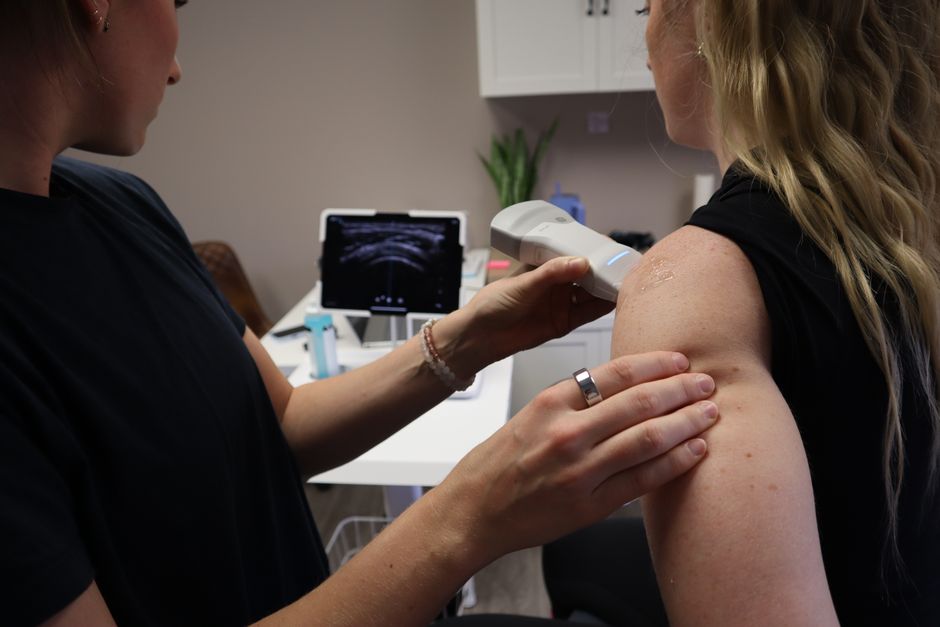
Do not confuse tendonitis with tendinosis. Tendinosis is chronic degeneration of the tendon without active inflammation. It feels similar but needs different treatment. Tendonitis usually improves within weeks. Tendinosis can take months. If your pain has lasted more than six weeks, you likely have tendinosis, not tendonitis. A doctor can tell the difference with an ultrasound or MRI.
What To Do For Tendonitis In The First 48 Hours
The first two days are critical. Stop all activities that cause pain. Do not “push through” tendon pain. That makes the injury worse and delays healing. Rest the joint completely for 24 to 48 hours.
Apply ice for 15 to 20 minutes every two to three hours. Ice reduces blood flow to the area which lowers inflammation. Wrap the ice pack in a thin towel. Never put ice directly on skin. That can cause frostbite.
Compression with an elastic bandage can help control swelling. Wrap it snug but not tight. If your fingers or toes tingle or turn pale, the wrap is too tight. Elevate the injured area above your heart when resting. This helps fluid drain away from the tendon.
Anti-inflammatory drugs like ibuprofen (Advil) or naproxen (Aleve) can reduce pain and swelling. Use them for no more than three to five days. Long-term use can damage your stomach and kidneys. Acetaminophen (Tylenol) treats pain but does not reduce inflammation.
What Does The Research Say About Rest Versus Movement?
Complete rest for more than a few days is not helpful. Research published in the British Journal of Sports Medicine found that prolonged immobilization weakens tendons and slows recovery. The key is relative rest. You rest the injured tendon but keep the rest of your body moving.
Gentle movement should start after the first 48 hours. The goal is to keep the joint moving without stretching or straining the tendon. For Achilles tendonitis, that means walking normally but not running. For tennis elbow, that means using your arm for daily tasks but avoiding gripping or lifting.
The American Academy of Orthopaedic Surgeons recommends a gradual return to activity. Start with pain-free range of motion exercises. If an exercise hurts, stop. Pain is a signal, not a challenge. Eccentric exercises — where you lower a weight slowly — have strong evidence for chronic tendon problems. A physical therapist can teach you the right ones for your specific tendon.





What Treatments Actually Work For Tendonitis?
Most tendonitis resolves on its own within two to six weeks. Treatment mainly helps with symptoms while the tendon heals. Here is what the evidence supports.
| Treatment | What It Does | Evidence Level |
|---|---|---|
| Ice | Reduces inflammation and pain | Strong for acute pain relief |
| NSAIDs (ibuprofen, naproxen) | Reduce inflammation and pain | Strong for short-term use |
| Physical therapy | Strengthens muscles around the tendon | Strong for recovery and prevention |
| Corticosteroid injections | Powerful anti-inflammatory | Moderate; may weaken tendon long-term |
| Platelet-rich plasma (PRP) | Injections of your own blood cells | Mixed evidence; not standard |
| Surgery | Repairs damaged tendon tissue | Weak; rarely needed |
Corticosteroid shots can provide fast relief for severe pain. But research in The Lancet found they may increase the risk of tendon rupture if used repeatedly. Do not get more than three shots in the same tendon over your lifetime. PRP injections are widely promoted but the evidence is inconsistent. Some studies show benefit for chronic tennis elbow. Others show no difference from placebo.
Shockwave therapy uses sound waves to stimulate healing. The evidence is strongest for chronic Achilles and patellar tendonitis. It is not helpful for acute tendonitis. Acupuncture and massage have some support for pain relief but not for healing the tendon itself.
What To Avoid When You Have Tendonitis
Do not stretch a painful tendon. Stretching increases tension on an already irritated structure. It can make the injury worse. Wait until the acute pain subsides, then stretch gently.
Avoid heat in the first 48 hours. Heat increases blood flow and can worsen swelling. After the first week, heat before activity can help loosen stiff muscles. But never use heat on a swollen, painful tendon.
Do not return to sports or heavy activities too soon. The tendon needs time to rebuild collagen fibers. Rushing back often leads to re-injury. A good rule: wait until you can do the activity without pain and with full range of motion. That usually takes two to four weeks for mild tendonitis and longer for chronic cases.
Avoid relying on braces or straps long-term. They can reduce pain during activity but they do not fix the underlying problem. The muscle weakens when the brace does the work. Use a brace only during the activity that causes pain and remove it when resting.
How To Prevent Tendonitis From Coming Back
Prevention is about managing load. Tendonitis happens when you do too much too fast. The most common cause is a sudden increase in activity — running longer distances, lifting heavier weights, or typing more hours. Increase activity gradually. The 10 percent rule — do not increase your weekly mileage or weight by more than 10 percent — applies to tendons as much as muscles.
Strengthen the muscles around the tendon. Strong muscles absorb force that would otherwise strain the tendon. For example, strong calf muscles protect the Achilles tendon. Strong forearm muscles protect the elbow tendons. A physical therapist can give you specific exercises.
Pay attention to your body mechanics. Poor form during exercise or work puts extra stress on tendons. A coach or therapist can check your technique. For desk workers, ergonomic adjustments to your keyboard, mouse, and chair can reduce wrist and elbow strain.
Warm up before activity. A five-minute warm-up increases blood flow to tendons and makes them more flexible. Cold tendons are stiffer and more prone to injury. Cool down after activity with gentle movement, not static stretching.
When To See A Doctor About Tendonitis
See a doctor if the pain is severe and does not improve with rest and ice after one week. Also see a doctor if you cannot move the joint at all or if there is visible deformity. These could be signs of a tendon tear or rupture.
If you have redness, warmth, and fever along with tendon pain, you may have an infection. That is rare but serious. Go to urgent care or the emergency room.
For chronic tendonitis lasting more than six weeks, see an orthopedic specialist or sports medicine doctor. They can order imaging to rule out a tear or tendinosis. They can also guide you through more advanced treatments like physical therapy or injections.
Some people report that certain supplements like vitamin C, collagen, or omega-3 fatty acids help tendon health. The evidence is weak. Vitamin C is needed for collagen production, but taking extra beyond a normal diet has not been proven to speed healing. A balanced diet with enough protein and calories supports overall tissue repair.
Frequently Asked Questions
Can I exercise with tendonitis?
Avoid the specific activity that causes pain. You can exercise other parts of your body as long as the movement does not strain the injured tendon.
How long does tendonitis take to heal?
Most cases improve in two to six weeks with proper rest and treatment. Chronic cases can take several months.
Is heat or ice better for tendonitis?
Use ice in the first 48 hours to reduce inflammation. Heat can be used after one week to loosen stiff muscles before activity.
Should I wrap my tendonitis in a bandage?
Compression with an elastic bandage can help control swelling. Wrap it snug but not tight enough to cause numbness or tingling.
