
Sciatic nerve pain is not a diagnosis — it is a symptom, and what helps depends almost entirely on what is pressing on or irritating the nerve. Most cases improve within weeks without surgery, and the research supports a short list of approaches that genuinely help. The evidence for some popular treatments is much weaker than the marketing suggests.
What Actually Causes Sciatic Nerve Pain?
The sciatic nerve is the largest nerve in the body. It starts in the lower back, travels through the buttock, and runs down the back of each leg. When something compresses or irritates it, pain can travel anywhere along that path.
The most common cause is a herniated disc in the lower spine. The soft inner material of a disc pushes outward and presses against a nerve root. This typically causes pain that follows a specific pattern down one leg, often below the knee.
Other causes include spinal stenosis — a narrowing of the spinal canal that becomes more common with age — and spondylolisthesis, where one vertebra slips forward over another. In older adults, stenosis is a frequent culprit. In younger adults, disc herniation is more likely.
Less common causes exist too. Piriformis syndrome, where the piriformis muscle in the buttock compresses the nerve, is often mentioned but is genuinely difficult to diagnose and its true frequency is debated. Pregnancy can cause sciatic-type pain from changes in posture and pressure, though true nerve compression is not the usual mechanism.
This matters because treatment that works for a herniated disc may not work for stenosis. The label “sciatica” tells you where it hurts, not why.
What to Do for Sciatic Nerve Pain in the First Few Weeks
Most people get better with time and basic self-care. Research consistently shows that staying active speeds recovery compared to bed rest, which was once commonly recommended but is now discouraged.
Here is what the evidence supports in the early phase:
- Keep moving. Gentle walking and normal daily activity are better than lying down. Prolonged bed rest weakens muscles and can make pain worse.
- Use heat or cold. Some people find relief with a heating pad; others prefer an ice pack. Neither changes the underlying problem, but both can ease discomfort. The evidence for either is modest.
- Try over-the-counter pain relievers. NSAIDs like ibuprofen or naproxen can reduce pain and inflammation in the short term. Acetaminophen may help with pain but does not reduce inflammation. Anyone with kidney disease, stomach ulcers, or heart conditions should check with a clinician before using NSAIDs regularly.
- Avoid heavy lifting and prolonged sitting. Both increase pressure on the lower spine.
Most cases of sciatic pain from a herniated disc improve within four to six weeks. That timeline is well established in clinical literature. If pain is severe or not improving, that is when to seek medical evaluation.
When Should You See a Doctor for Sciatic Pain?
Certain symptoms require urgent medical attention. These are not subtle warnings — they are signs that the nerve may be seriously compressed.
Seek emergency care immediately if you experience:
- Loss of bladder or bowel control
- Numbness in the groin or inner thigh area (sometimes called saddle numbness)
- Rapidly worsening weakness in one or both legs
- Severe pain that appeared suddenly after trauma
These can indicate cauda equina syndrome, a rare but serious condition where the bundle of nerves at the base of the spinal cord is compressed. It requires emergency surgery. The window for treatment matters, and delays can cause permanent damage.
See a doctor soon — not necessarily in an emergency room — if pain is severe enough to interfere with sleep or daily function, if it has lasted more than a few weeks without improvement, or if you have a history of cancer, recent infection, or significant unintentional weight loss. Those factors can point to causes other than a disc problem.



What Does Physical Therapy Do for Sciatic Pain?
Physical therapy is one of the most consistently recommended treatments for sciatic pain. The goal is not to “fix” the disc directly but to reduce pressure on the nerve, improve movement, and strengthen supporting muscles.
A physical therapist typically assesses posture, flexibility, and strength. Treatment may include stretching tight muscles in the back and legs, strengthening the core and glutes, and learning better body mechanics for sitting, lifting, and sleeping.
The evidence for physical therapy is generally positive but not overwhelming. Some studies show it works as well as surgery for certain disc herniations in the short term. Other studies show modest benefits. What is clear is that it carries very low risk compared to more invasive options.
Not all exercises help. Some stretches commonly found online — like deep forward bends or seated hamstring stretches with a rounded back — can worsen symptoms in some people by increasing pressure on the disc. A therapist can tailor movements to your specific problem.
Do Injections and Medications Help?
Epidural steroid injections deliver anti-inflammatory medication directly near the irritated nerve. They are widely used, and some clinicians recommend them when pain is severe or when oral medications are not enough.
The evidence is mixed. Some studies show meaningful short-term pain relief. Others show the benefit fades within weeks and is not much different from a placebo injection. Injections do not fix the underlying disc or stenosis. They may provide a window of relief that allows someone to participate in physical therapy.
Oral medications for nerve pain include gabapentin and pregabalin. These are commonly prescribed, but the evidence for their effectiveness specifically in sciatica is weaker than many people assume. A large review found that gabapentinoids provided little to no benefit for sciatica compared to placebo. That does not mean they never help — some patients report improvement — but the overall trial evidence is not strong.
Muscle relaxants and opioid pain medications are sometimes prescribed for short periods. Opioids carry significant risks including dependence and are not recommended for long-term use in most cases.
Is Surgery Ever Necessary?
Surgery is reserved for specific situations. The most common is a herniated disc that has not improved after several weeks of conservative treatment and is causing severe, persistent pain or progressive weakness.
Research published in the New England Journal of Medicine and other major journals has compared surgery to conservative care for herniated discs. The findings are nuanced. Surgery often provides faster pain relief in the first few months. By one to two years, outcomes between surgery and conservative care tend to converge for many patients.
That means surgery is not automatically better — it is faster for some people. The decision depends on pain severity, neurological findings, response to other treatments, and personal priorities.
For spinal stenosis, surgery may offer more durable relief than for disc herniation, particularly when symptoms are significant and conservative treatment has failed. But even here, outcomes vary and not everyone benefits.
Anyone considering surgery should ask about the specific goal, the expected recovery timeline, and what happens if they wait.
What About Chiropractic, Acupuncture, and Other Approaches?
Spinal manipulation is commonly used for low back pain and sciatica. Some research suggests it can provide short-term pain relief similar to other conservative treatments. The evidence is not strong enough to call it clearly superior to physical therapy or standard care. Serious complications from spinal manipulation are rare but have been reported, particularly with manipulation of the neck.
Acupuncture has been studied for chronic low back pain and sciatica. Some trials show modest pain reduction compared to no treatment. Whether that benefit comes from the needles themselves or from expectation and relaxation is debated. The evidence is mixed.
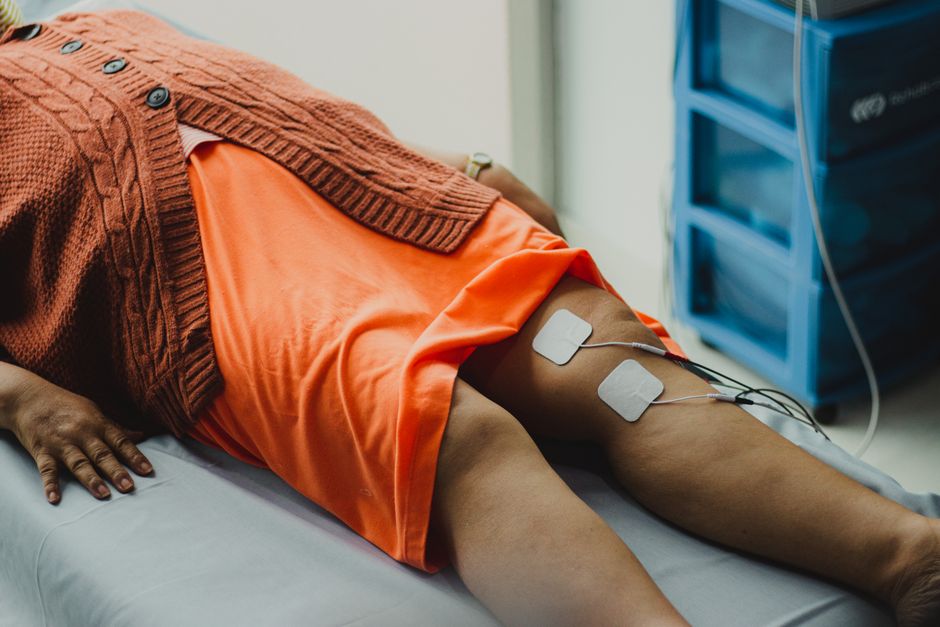
Traction, TENS units, and ultrasound are sometimes used. Evidence for these is limited. TENS may provide mild short-term relief for some people. Traction has not shown consistent benefit in controlled trials.
What matters most is avoiding treatments that carry risk without evidence of benefit, and not delaying proven approaches like staying active and physical therapy.
What Lifestyle Changes Actually Make a Difference?
Long-term management of sciatic pain often comes down to reducing strain on the lower spine.
Maintaining a healthy weight reduces load on the spine. Smoking impairs blood flow to spinal discs and is associated with faster disc degeneration — quitting is one of the more meaningful changes a person can make. Regular low-impact exercise like walking, swimming, or cycling helps maintain strength and flexibility without jarring the spine.
Ergonomics matter too. A chair with good lumbar support, a desk at the right height, and regular breaks from sitting can reduce daily irritation. Sleeping on the side with a pillow between the knees or on the back with a pillow under the knees can ease pressure.
None of these changes reverse a herniated disc or cure stenosis. They reduce the load on a sensitive area and support the body’s natural healing where it is possible.
Frequently Asked Questions
How long does sciatic nerve pain usually last?
Most cases from a herniated disc improve within four to six weeks with conservative care. Some people have pain that lasts longer or comes back.
Is it better to rest or stay active with sciatica?
Staying active is better than bed rest for most people. Prolonged rest weakens muscles and can slow recovery.
Can sciatica go away without surgery?
Yes, most people recover without surgery. Surgery is typically considered when pain is severe or does not improve after several weeks of other treatments.
What are the red flag symptoms of sciatica?
Loss of bladder or bowel control, numbness in the groin area, and rapidly worsening leg weakness require emergency medical care. These may indicate cauda equina syndrome.
