
If you can see or smell mold in your home, the first thing to do is get away from the source and stop breathing the spores. Open windows, leave the affected room, and fix whatever is keeping the area wet. Most healthy people recover fully from mold exposure once the moisture problem is solved and the air is clean. People with asthma, allergies, or weakened immune systems need to be more careful and may need medical care.
What To Do For Mold Exposure From Removal To Recovery
Mold needs water. No water, no mold. That single fact drives everything that works.
If you find mold in your home, deal with the moisture first. Cleaning the visible mold without fixing the water source means it will come back. Often within days.
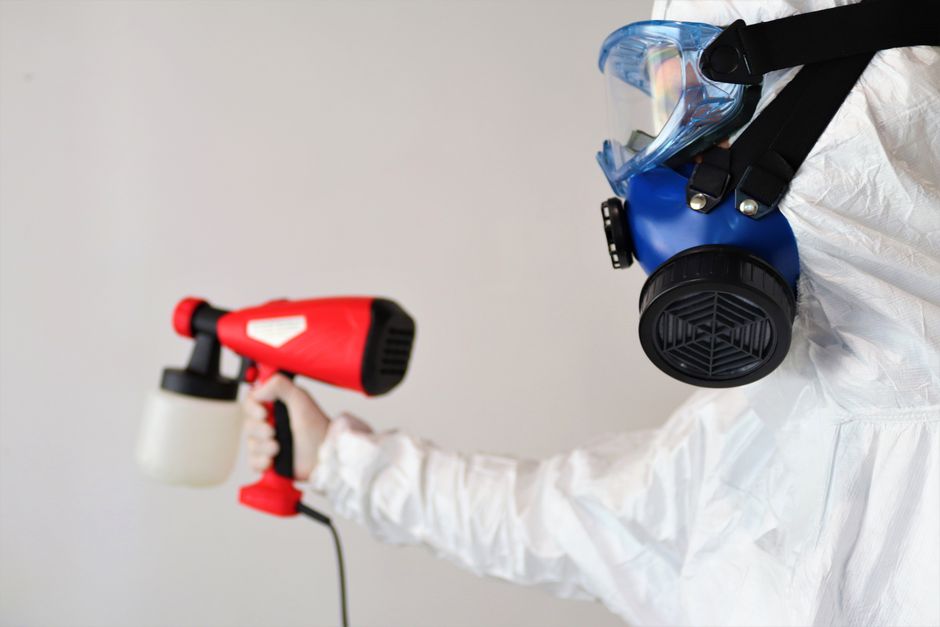
For small areas — roughly less than 10 square feet, about the size of a standard floor tile — you can usually clean it yourself. The EPA gives this as a general guideline for do-it-yourself cleanup. Wear an N95 respirator, goggles, and gloves. Keep the area ventilated. Use a detergent solution or a commercial mold cleaner. Do not mix bleach with ammonia or other cleaners, which can create dangerous fumes.
For larger areas, or mold inside walls, ceilings, or HVAC systems, professional remediation is the safer route. Disturbing a large mold colony can release a heavy load of spores into the air.
After cleanup, the recovery phase matters. Your body clears mold spores through normal mucus and immune function. What you do in the days and weeks after exposure can affect how quickly symptoms settle.
How Does Mold Actually Affect The Body?
Mold affects people in three main ways, and they are not the same thing.
Allergy. This is the most common reaction. Mold spores are small enough to reach the nose, throat, and lungs. In people who are allergic, the immune system treats the spores as a threat and releases histamine. That causes sneezing, runny nose, itchy eyes, and sometimes wheezing. This is a true allergic response, not a toxin effect.
Irritation. Mold particles and the volatile compounds some molds produce can irritate the eyes, nose, throat, and skin. This can happen even in people who are not allergic. The effect tends to be short-lived once exposure stops.
Infection. This is rare and mostly affects people with severely weakened immune systems — for example, people undergoing certain cancer treatments or organ transplant recipients. In these patients, some molds can cause serious lung or systemic infections. Healthy people are generally not at risk for invasive mold infection from household exposure.
There is a fourth category that gets a lot of attention: claims that mold toxins cause chronic fatigue, memory problems, or a distinct “mold illness.” The evidence here is limited and debated. Some clinicians recognize a condition involving chronic inflammatory response, but it is not universally accepted as a diagnosis, and no standard diagnostic test or treatment protocol exists. If you see a practitioner offering a proprietary mold detox panel or supplement protocol, be cautious. No large human trials have confirmed these approaches.
What Symptoms Should You Watch For After Exposure?
Most symptoms from mold exposure are respiratory or allergic. They usually appear within hours to a few days of exposure and improve when you leave the environment.
- Stuffy or runny nose
- Sneezing
- Itchy, watery eyes
- Throat irritation or cough
- Wheezing or shortness of breath, especially in people with asthma
- Skin rash or irritation where mold contacted the skin
- Headache
These symptoms are not specific to mold. They overlap with colds, seasonal allergies, and other irritants. That makes mold exposure hard to confirm by symptoms alone.
Seek medical care if you have trouble breathing, chest tightness that does not improve, a fever that does not go away, or symptoms that get worse instead of better after you leave the moldy space. People with asthma should follow their asthma action plan and contact their doctor if rescue inhaler use increases.





How Do You Remove Mold Safely?
Removal is physical. You are either wiping it away or removing the material it grew on.
Porous materials — drywall, carpet, ceiling tiles, insulation — usually cannot be cleaned well enough. Mold grows into them. These materials typically need to be removed and thrown away. Non-porous surfaces like tile, glass, metal, and sealed wood can be cleaned.
Protect yourself during cleanup:
- Wear an N95 respirator rated for fine particles
- Use goggles that seal around the eyes
- Wear gloves that resist moisture
- Ventilate the area with open windows and fans blowing outward
- Keep children, older adults, and anyone with asthma or immune problems away from the work area
After cleaning, dry the area completely. Mold cannot grow without moisture, but damp materials can re-grow mold within a day or two. Use dehumidifiers and fans. Fix leaks. Improve ventilation in bathrooms and kitchens.
If the mold covers a large area, is inside walls, or is in your HVAC system, call a professional. The EPA and CDC both recommend professional remediation for these situations.
What Helps Your Body Recover After Exposure?
Once you are out of the moldy environment, recovery is mostly about letting your body clear the exposure and managing symptoms.
Get away from the source. This is the single most effective step. Continued exposure keeps symptoms going.
Clean the air. HEPA air purifiers can reduce airborne mold spores in a room. They do not remove mold from surfaces or fix moisture problems, but they can lower what you breathe. Change HVAC filters regularly and use a filter rated MERV 13 or higher if your system supports it.
Manage allergy symptoms. Over-the-counter antihistamines and nasal steroid sprays can help with allergic symptoms. These treat the reaction, not the mold. If you have asthma, your doctor may adjust your controller medication.
Give it time. For most healthy people, symptoms improve within days to a few weeks after exposure ends and the environment is clean. If symptoms persist beyond that, see a doctor to rule out other causes.
Do not rely on unproven detoxes. There is no established medical treatment that “flushes” mold from the body. Activated charcoal, binding agents, and intravenous vitamin therapies have not been shown in clinical trials to help with mold exposure in healthy people. Some can cause harm.
Who Is Most At Risk From Mold Exposure?
Not everyone reacts the same way. Some people can live around mold with no symptoms. Others react quickly.
People at higher risk include:
- People with asthma — mold can trigger attacks
- People with mold allergies — symptoms can be significant
- Infants and young children — their lungs are still developing
- Older adults — immune function declines with age
- People with weakened immune systems — risk of invasive infection
- People with chronic lung diseases like COPD
If you fall into one of these groups, do not do the cleanup yourself. Stay away until the space is clean and dry.
How Do You Prevent Mold From Coming Back?
Control moisture. That is the whole strategy.
Keep indoor humidity below 50 percent if possible. Use a hygrometer to measure it. Fix leaks promptly — a slow drip behind a wall can feed mold for months before you notice. Dry wet areas within 24 to 48 hours. Ventilate bathrooms and kitchens with exhaust fans. Use mold-resistant products in areas prone to moisture.
If you live in a humid climate, a dehumidifier is not optional. It is part of keeping a home dry.
Check for musty smells. Your nose can detect mold before your eyes can. A persistent musty odor usually means hidden moisture.
Frequently Asked Questions
How long does it take to recover from mold exposure?
Most healthy people feel better within days to a few weeks after leaving the moldy environment and cleaning it up. If symptoms last longer, see a doctor to check for other causes.
Can mold exposure make you sick even if you are not allergic?
Yes, mold particles can irritate the eyes, nose, and throat even in people without allergies. These symptoms usually clear once exposure stops.
Does bleach kill mold?
Bleach can kill mold on non-porous surfaces like tile and glass, but it does not work well on porous materials because it cannot reach mold roots inside. Removing porous items is often more effective.
Should I get a mold detox or take supplements?
No clinical evidence currently confirms that detox products or supplements remove mold from the body. Standard care focuses on stopping exposure and treating symptoms.
