
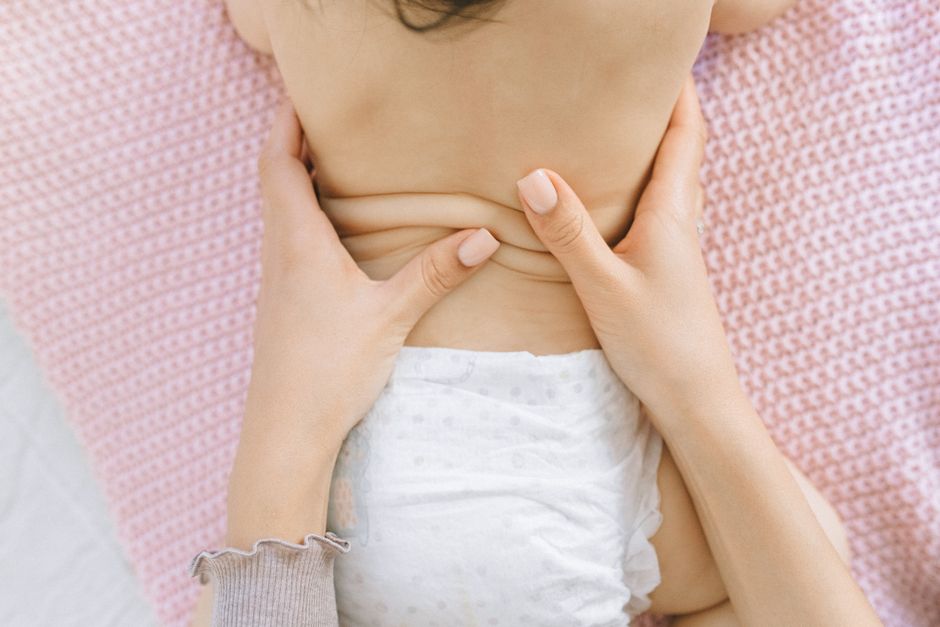
Extreme diaper rash needs two things at once: a barrier that keeps urine and stool off the skin, and time for the skin to heal. Change diapers as soon as they are wet or soiled, clean gently with plain water and a soft cloth, pat dry without rubbing, and apply a thick layer of zinc oxide or petrolatum ointment at every change. If the rash has open sores, blisters, or pus, or if it is not improving after a few days of consistent barrier care, call your child’s doctor.
What To Do For Extreme Diaper Rash Treatment Steps?
Start with the basics before reaching for anything medicated. Most diaper rash is irritation, and irritation responds to dryness and protection, not to drugs.
The core steps, in order:
- Change the diaper immediately when you notice it is wet or dirty. Leaving urine or stool against skin is the single biggest driver of rash severity.
- Clean with lukewarm water and a soft washcloth or cotton ball. If you use wipes, choose fragrance-free and alcohol-free ones, and stop using them if the skin looks raw.
- Pat or air-dry the area. Do not rub. Friction on already damaged skin makes it worse.
- Apply a thick, visible layer of barrier ointment — zinc oxide paste or plain petrolatum. You are aiming to see the white or shiny coating on the skin, not to rub it in until it disappears.
- Do not scrub off the old ointment at each change. Wipe away what comes off easily, then add more on top. Aggressive removal damages the healing skin underneath.
- Fasten the diaper loosely so air can move. If you can, give your child short stretches of diaper-free time on a waterproof mat.
That routine, done consistently, resolves most uncomplicated diaper rash within a few days. The word “consistently” is doing real work in that sentence. Skipping the barrier layer at one change can undo progress from the previous several.
How Much Ointment Should You Actually Apply?
More than most parents use. The barrier only works if it forms an unbroken layer between skin and what comes out of the diaper.
Think of it like frosting a cake, not like lotion. A thin sheen that soaks in is not doing the job. You want a visible, opaque coating — for zinc oxide paste, that means the skin looks white. For petrolatum, it looks glossy and thick. If you can still clearly see skin texture through it, add more.
This is one of the few places in infant care where “use more than you think” is the correct guidance. There is no meaningful risk of over-applying a barrier ointment on intact or mildly irritated skin. The risk sits on the other side — under-applying and leaving skin exposed.
When Is Diaper Rash a Yeast Infection or Something Else?
Not all diaper rash is simple irritation, and the treatment differs when it is not. This is where parents most often get stuck.
Irritant diaper rash usually appears on the areas that touch the diaper most — the buttocks, thighs, and lower belly. It tends to spare the deep creases, because those folds are somewhat protected from direct contact with stool.
A rash caused by yeast (Candida) often looks different. It tends to be bright red with smaller red bumps or satellite spots at the edges, and it frequently involves the skin folds rather than sparing them. It may also persist or worsen despite good barrier care.
Bacterial involvement is a possibility when there is pus, weeping, or a rash that is spreading and getting angrier rather than settling. Some skin conditions, including seborrheic dermatitis and atopic dermatitis, can also show up in the diaper area and look nothing like simple irritation.
Here is the honest limit: you cannot reliably tell these apart from a photo or a description. If the rash is not clearly improving with consistent barrier care within a few days, or if it looks worse rather than better, that is the point to have a clinician look at it. Yeast and bacterial rashes generally need specific treatment that barrier ointment alone will not provide. Some clinicians recommend an antifungal cream for suspected yeast, and antibiotics for confirmed bacterial infection, but these are decisions that follow an actual diagnosis.



Which Products Help and Which Ones to Avoid
The product aisle is confusing on purpose. Here is what the evidence and standard practice actually support.
Zinc oxide paste is the most studied barrier ingredient and the standard recommendation for moderate to severe rash. It stays on the skin, resists being washed off by urine, and provides physical protection. Higher concentrations are thicker and generally stay in place longer.
Petrolatum is a plain, effective barrier and a good choice for prevention and mild rash. It is inexpensive and has very few ingredients, which matters if your child’s skin is sensitive.
Fragrance-free, alcohol-free wipes are reasonable for mild cases. For raw or broken skin, many clinicians recommend switching to plain water and soft cloths until the skin heals.
What to avoid:
- Products with fragrance, dyes, or botanical extracts. These add irritation risk with no benefit for diaper rash.
- Cornstarch powders. Inhaled powder is a respiratory risk for infants, and powder can cake in moist folds.
- Combination creams that mix an antifungal, a steroid, and an antibiotic. These are sometimes prescribed, but they are not a do-it-yourself product. Steroids on a yeast or bacterial rash can make things worse.
- Any product marketed as a “cure” for diaper rash. Barrier ointments protect skin; they do not treat infection.
Does Diet or Teething Cause Diaper Rash?
Diet changes can absolutely change diaper rash patterns, but not in the way most parents expect.
When a baby starts solids or tries a new food, the content and acidity of their stool changes. Stool that is more acidic or more frequent is more irritating to skin. This is a mechanical and chemical effect on the skin surface, not an allergy in most cases. The fix is the same — faster changes and a solid barrier layer.
Antibiotics are a different story. A child on antibiotics can develop diarrhea, and antibiotics also shift the balance of organisms on the skin and in the gut. Yeast rashes are more common during and after a course of antibiotics. If a rash appears or worsens during antibiotic treatment, that is worth mentioning to the prescribing clinician.
Teething is often blamed for diaper rash. The connection is weak. Teething can increase drooling and mouthing, and some babies have looser stools around the same time, but there is no strong evidence that teething directly causes diaper rash. It is more likely that both things happen in the same developmental window.
When to Call the Doctor
Most diaper rash is manageable at home. Some situations need a clinician’s eyes.
Call your child’s doctor if:
- The rash has blisters, open sores, or pus
- The rash is spreading or getting worse despite several days of consistent barrier care
- Your child has a fever
- Your child seems to be in pain, is very fussy, or is not feeding normally
- There is swelling, warmth, or a hard, red area that is expanding
- The rash involves the skin folds and looks bright red with satellite bumps — this pattern can suggest yeast
- Your child is under 3 months old and has any rash that concerns you
A rash that bleeds, weeps fluid, or forms a crust is not a typical irritant rash. Those signs point toward infection or another skin condition, and both need a diagnosis rather than another ointment.
How to Prevent the Next Bad Rash
Prevention is the same routine as treatment, applied before the skin breaks down.
Change diapers frequently — the goal is to avoid prolonged contact with urine and stool, not to hit a specific number of changes per day. Apply a barrier layer at every change, even when the skin looks fine. This is the step parents skip most often, and it is the one that prevents the most trouble.
Let the skin breathe when you can. Diaper-free time on a washable pad is simple and effective. Loosen the diaper rather than taping it snug.
Wash your hands before and after changes. Diaper rash itself is not contagious, but the organisms that cause secondary infections can spread, and hand hygiene reduces that risk.
If your child is prone to rash, consider avoiding heavily fragranced detergents and fabric softeners on diapers and clothing that touch the area. This is not strongly supported by trials, but it removes a known irritant with no downside.
Frequently Asked Questions
How long does extreme diaper rash take to heal?
With consistent barrier care and frequent changes, most irritant diaper rash improves within a few days. If it is not clearly better after several days, or is getting worse, it needs to be looked at by a clinician.
Can I use hydrocortisone cream on diaper rash?
Mild hydrocortisone is sometimes recommended by clinicians for significant inflammation, but it should not be used without guidance and should never be applied to broken skin or a suspected yeast rash. Steroids can worsen certain infections, so this is a decision to make with a doctor.
Is it OK to use baby powder for diaper rash?
Powders are generally not recommended. Inhaled powder is a breathing risk for infants, and powder can cake in moist skin folds and trap moisture rather than protect the skin.
What does a yeast diaper rash look like?
It often appears as a bright red rash with smaller red bumps at the edges, and it tends to involve the skin folds rather than sparing them. It usually does not improve with barrier ointment alone and needs specific treatment.
