
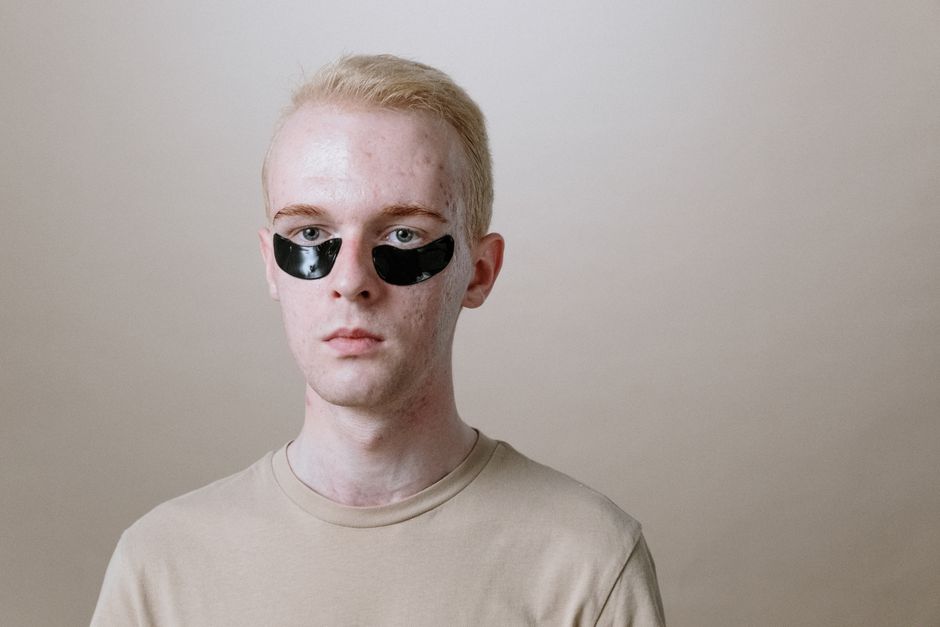
A cystic pimple is a deep, painful, inflamed bump that forms when a pore becomes blocked and the inflammation spreads well below the skin surface. Because the infection sits deep, surface creams and spot treatments often do little to help it. The most reliable options are to leave it alone, apply a warm compress, and see a dermatologist for prescription treatment if it is large, recurring, or leaving scars. Dermatologists can drain or inject a deep cyst, but you should never try to pop one at home.
That short answer covers the basics. The rest of this article explains why cystic pimples behave the way they do, what actually works, what does not, and when a bump that looks like a cyst may be something else entirely.
What To Do For A Cystic Pimple Real Treatment Options?
The single most effective thing you can do for a cystic pimple is to not squeeze it. A cyst forms deep in the skin, well below the surface where a typical whitehead sits. Squeezing pushes the inflammation and bacteria further into surrounding tissue. That increases the risk of a larger lesion, a longer healing time, and a permanent scar or dark mark.
Realistic options fall into a few categories:
- Home care: warm compresses, gentle cleansing, and hands off. This supports healing but does not usually make a deep cyst disappear quickly.
- Over-the-counter (OTC) products: benzoyl peroxide and salicylic acid can help mild acne and may reduce new breakouts, but they rarely resolve an established deep cyst on their own.
- Prescription topical treatments: stronger retinoids and combination products prescribed by a clinician.
- Prescription oral treatments: antibiotics for inflamed acne, hormonal treatments for some women, and isotretinoin for severe or scarring acne.
- In-office procedures: a corticosteroid injection can shrink a large inflamed cyst, and a clinician can drain certain lesions under sterile conditions.
Which of these fits depends on how often you get cystic pimples, how severe they are, and whether they are leaving scars. A single occasional cyst is handled very differently from recurring cystic acne across the face, back, or chest.
Why Cystic Pimples Are Different From Regular Pimples
A cystic pimple is an inflammatory acne lesion that forms deep in the skin. The pore becomes blocked with oil and dead skin cells, and the bacteria that normally live on the skin, particularly Cutibacterium acnes, multiply in the blocked follicle. The body’s immune response creates inflammation, and the lesion expands into a tender, firm bump beneath the surface.
This depth is the key difference. A surface pimple sits at or near the top layer of skin, so a topical product can reach it. A cyst is deeper. That is why you can apply a drying lotion to a cyst for a week and see little change. The product is not reaching the problem.
Cystic lesions are also more likely to scar. When inflammation is deep and prolonged, it damages the surrounding tissue, and the skin repairs with a permanent indentation or raised mark. This is the main reason dermatologists treat deep cystic acne more aggressively than mild surface acne.
What You Can Do At Home (And What It Will and Won’t Do)
Home care can reduce discomfort and support healing, but it will not reliably clear a deep cyst on its own. Set expectations honestly.
Warm compresses are a reasonable first step. A clean, warm (not hot) cloth held against the area for a few minutes several times a day can ease pain and may encourage a cyst that is close to the surface to drain naturally. It will not resolve a deep cyst quickly, and it will not prevent new ones.
Gentle cleansing with a mild, non-abrasive cleanser twice a day is appropriate. Scrubbing, exfoliating brushes, and harsh soaps irritate the skin and can worsen inflammation. There is no evidence that aggressive cleaning prevents cystic acne.
Benzoyl peroxide and salicylic acid are the main OTC ingredients for acne. Benzoyl peroxide reduces the acne bacteria and has some anti-inflammatory effect. Salicylic acid helps unclog pores. Both are reasonable for mild acne and for preventing new breakouts, but no strong evidence shows they resolve an established deep cyst. Using them as prevention is more realistic than expecting them to flatten a cyst overnight.
Do not pick, squeeze, or lance it. This is not a cautious recommendation. It is the clearest point in this article. Home squeezing of a deep cyst drives inflammation deeper, raises the risk of a worse scar, and can introduce infection. If a cyst is large and painful, that is a reason to see a clinician, not to try harder at home.
When To See a Dermatologist
See a dermatologist if cystic pimples are frequent, painful, large, or leaving marks. Cystic acne that scars is the form most worth treating early, because scarring is permanent and prevention is easier than correction.
Specific signs that warrant a professional visit:
- Cysts that are large, very painful, or not improving after a couple of weeks
- New cysts appearing regularly, or clusters of them
- Any scarring, pits, or dark marks left behind
- Cystic acne on the back, chest, or shoulders
- A single large, rapidly growing, or unusually firm bump that does not behave like your usual acne
That last point matters. Not every deep lump is a pimple. A cyst, an abscess, a boil, or another skin condition can look similar. A clinician can tell the difference, and a bump that is growing, hot, or accompanied by fever should be checked promptly rather than treated as acne.
Prescription and In-Office Treatments
Prescription treatment is where the strongest evidence for cystic acne sits. A dermatologist will match the approach to severity.
Corticosteroid injection. For a single large, inflamed cyst, a dermatologist may inject a small amount of corticosteroid directly into the lesion. This can reduce inflammation and shrink the cyst faster than waiting. It is a common in-office procedure for isolated severe lesions. It is not a treatment for widespread acne.
Incision and drainage. A clinician can drain certain large cysts under sterile conditions. This is done in a medical setting, not at home. It relieves pressure and pain, though it does not prevent future cysts.
Oral antibiotics. For inflammatory acne, dermatologists sometimes prescribe oral antibiotics for a limited course, often combined with a topical treatment. Antibiotics target the bacteria and reduce inflammation. Because of concerns about antibiotic resistance, they are generally used for a defined period rather than long term, and current guidance favors combining them with other treatments.
Hormonal treatments. For some women, particularly those whose acne flares with their cycle or who have signs of hormonal imbalance, combined oral contraceptives or the medication spironolactone can reduce acne. These are prescription decisions made with a clinician.
Isotretinoin. For severe, scarring, or treatment-resistant cystic acne, isotretinoin is highly effective. It also carries serious risks, including birth defects, and requires strict monitoring and pregnancy prevention. It is a decision for a dermatologist and the patient together, not a first-line option for a single cyst.
No single treatment is right for everyone. The choice depends on severity, scarring risk, other health conditions, and for women, pregnancy plans.
What Does Not Work (And Why)
A lot of what circulates online about cystic pimples does not hold up. Being clear about this saves time, money, and scarring.
Toothpaste is a common home remedy. It has no evidence for treating acne and can irritate or burn the skin. Essential oils and DIY spot treatments are not established treatments and can cause contact dermatitis. Sun exposure does not clear acne; it can darken the marks left behind and damage skin.
Popping or “extracting” at home is the most damaging habit. It does not shorten healing and it raises scarring risk. Pore strips and extraction tools do not reach deep cysts.
Diet is a genuinely debated area. Some studies suggest high-glycemic diets and, in some people, dairy may be associated with acne, but the evidence is not strong enough to present diet as a reliable cystic acne treatment. It is reasonable to discuss with a clinician, but not to expect diet alone to clear deep cysts.
Preventing Future Cystic Breakouts
Prevention is more reliable than trying to fix a cyst once it forms. The general approach is consistent, gentle skin care and early treatment of acne before it becomes deep and scarring.
Reasonable steps include using non-comedogenic (won’t clog pores) skin and hair products, washing the face gently twice a day, keeping hands off the face, and not over-washing, which can irritate skin. For people prone to cystic acne, starting prescription treatment early, before scarring develops, is the most effective prevention strategy available.
One clarification worth knowing: cystic acne is not caused by poor hygiene. It is driven largely by genetics, hormones, and the skin’s own biology. That is why people who wash carefully still get deep cysts, and why blaming yourself for breakouts is both unfair and inaccurate.
Frequently Asked Questions
Should I pop a cystic pimple?
No. Popping a deep cyst pushes inflammation deeper and raises the risk of scarring and infection. Leave it alone and see a dermatologist if it is large or painful.
How long does a cystic pimple take to go away?
Healing varies and can take weeks, longer than a surface pimple, because the inflammation is deep. A corticosteroid injection from a dermatologist can speed up resolution of a single large cyst.
Can I treat a cystic pimple at home?
Warm compresses and gentle cleansing can ease discomfort, but OTC products rarely clear an established deep cyst. Frequent or scarring cystic acne needs prescription treatment.
When should I see a doctor for a cystic pimple?
See a dermatologist if cysts are frequent, large, painful, or leaving scars, or if a bump is growing, hot, or not behaving like your usual acne. A clinician can tell a cyst apart from other skin conditions.
