
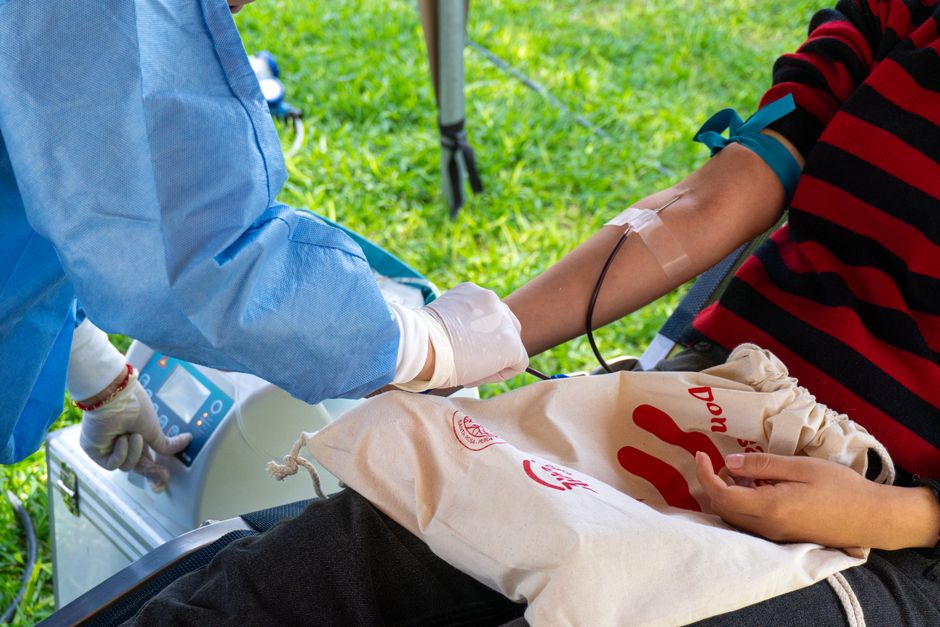
Donating blood takes about 10 minutes, but what you do in the 24 hours before matters just as much as what happens in the chair. Eat a full meal, drink extra water, and get a good night’s sleep. Skip alcohol, avoid fatty foods right before your appointment, and bring a photo ID plus a list of any medications you take.
That short list covers most of what you need. The details behind each step are where people run into trouble — showing up dehydrated, faint, or turned away at the door for a reason that was easy to prevent.
What To Do Before Donating Blood: A Simple Checklist
Whole blood donation removes roughly one pint (about 450–500 mL) of blood from your body. Your system then has to replace that volume, and the preparation you do beforehand determines how smoothly your body handles the shift.
The night before and the morning of your donation, focus on four things:
- Hydration: Drink an extra 16 to 32 ounces of water in the hours before your appointment. Water is the best choice. Caffeinated drinks can wait until after.
- Food: Eat a normal, balanced meal within a few hours of donating. Include something with iron — lean red meat, beans, spinach, or fortified cereal.
- Sleep: Aim for your usual 7 to 9 hours. Donation centers commonly turn away people who look run-down, and fatigue raises your odds of feeling faint afterward.
- Timing: Don’t schedule a donation right after a workout, a long shift, or a skipped meal. Give your body a normal baseline to work from.
None of this is complicated. The reason it matters is physiological: about 55% of your blood is plasma, which is mostly water. Losing volume without replacing it drops your blood pressure, and that is what causes the dizziness and fainting some donors experience.
What Should You Eat Before Donating Blood?
Eat a meal that includes iron, protein, and complex carbohydrates. That combination supports your hemoglobin level, keeps your blood sugar steady, and helps you avoid the lightheaded feeling that comes with donating on an empty stomach.
Good options in the hours before your appointment:
- Oatmeal with raisins or fortified cereal
- Eggs with whole-grain toast
- Chicken or lean beef with rice and vegetables
- Beans, lentils, or tofu with greens
Iron deserves special attention. Hemoglobin is the protein in red blood cells that carries oxygen, and it depends on iron. Donation centers screen your hemoglobin before you donate — commonly a minimum of 12.5 g/dL for women and 13.0 g/dL for men, though exact cutoffs vary by center and by whether you’re donating whole blood or a specific component. If your level falls below the cutoff, you’ll be deferred.
One meal won’t fix low iron. If you’ve been deferred for low hemoglobin before, talk to a doctor about whether testing and a longer-term dietary or supplement plan makes sense. Do not start iron supplements on your own before a donation — high-dose iron can cause side effects, and it’s not appropriate for everyone.
Foods to Avoid Right Before Donating
Skip fatty, greasy foods in the hours before your appointment. High-fat meals can cloud your plasma, and plasma is sometimes separated from your donation for patients who need it. Some centers will test your blood for this and may not be able to use a lipemic (fatty) sample.
Also avoid alcohol for at least 24 hours before donating. Alcohol is a diuretic — it makes you lose fluid — and it can leave you mildly dehydrated going in.
How Much Water Should You Drink Before Donating Blood?
Drink an extra 16 to 32 ounces of water in the two to three hours before your appointment. That’s on top of your normal daily intake, not instead of it.
This is one of the few preparation steps with solid research behind it. Studies have found that donors who drink water shortly before donating are less likely to experience vasovagal reactions — the sudden drop in heart rate and blood pressure that causes fainting. The effect isn’t enormous, but it’s real, and it costs you nothing.
Water beats sports drinks for this purpose. You’re replacing volume, not electrolytes lost through sweat. If you’ve been exercising heavily or it’s a hot day, a drink with some sodium is reasonable, but plain water covers the basic need.


Can You Donate Blood If You Take Medication?
In most cases, yes — but it depends on the medication. Common drugs for blood pressure, thyroid function, birth control, and allergies rarely disqualify you. Blood thinners, some acne medications, and certain hormone treatments can.
The safest approach is to bring a complete list of everything you take, including supplements and over-the-counter drugs, and let the screening staff make the call. Don’t guess, and don’t leave something off because you assume it doesn’t matter.
Medications that commonly cause deferral or a waiting period include:
- Blood thinners such as warfarin, apixaban, or rivaroxaban
- Isotretinoin (Accutane) for acne
- Finasteride and dutasteride for prostate or hair loss
- Some antibiotics, depending on the infection being treated
- Certain psychiatric medications, in specific cases
This list isn’t complete, and rules change. The deferral periods for specific drugs are set by the FDA and by individual blood centers, and they are updated as new information comes in. The screening questionnaire exists precisely because no general article can cover every case.
What Should You Bring to Your Donation Appointment?
Bring a government-issued photo ID, a list of your medications, and the names of any recent travel destinations. Most centers require the ID to confirm your identity and link your donation to your record.
Travel matters more than people expect. Certain destinations carry a risk of malaria, Zika, or other infections that can be transmitted through blood. Deferral periods vary by region and by how long ago you traveled. If you’ve been outside the country in the past year, mention it.
Also be ready to answer questions about:
- Recent tattoos or piercings (some states have waiting periods)
- Recent illness, fever, or dental work
- Pregnancy history
- Any history of hepatitis, HIV, or certain cancers
- Recent vaccinations
The questionnaire is long, and that’s by design. Blood safety depends on honest answers. If you’re unsure whether something disqualifies you, say so — the staff would rather ask a follow-up question than miss a risk.
What Happens If You Don’t Prepare?
You’ll probably still be able to donate. But you raise your odds of two things: being deferred at the screening desk, or feeling faint during or after the donation.
Fainting is the most common reaction to blood donation. It usually happens within the first few minutes, though it can occur later. Symptoms include lightheadedness, sweating, nausea, and a sudden drop in blood pressure. In rare cases it leads to a fall and injury.
The risk is higher for first-time donors, younger donors, and people who are underweight or dehydrated. Eating and drinking beforehand reduces the risk but doesn’t eliminate it. Plan to sit and rest for 10 to 15 minutes after donating, and have something to eat and drink before you leave.
What Should You Do After Donating?
Keep the bandage on for a few hours, drink extra fluids for the rest of the day, and avoid heavy lifting or intense exercise for the remainder of the day. Your body is replacing plasma volume, and it needs a little time.
Plasma volume is typically restored within 24 to 48 hours. Red blood cells take longer — usually several weeks — which is why whole blood donors must wait about 8 weeks between donations. That interval is a standard set by blood collection organizations, not a suggestion.
If you feel lightheaded after leaving, sit or lie down with your feet elevated until it passes. If it doesn’t pass, or if you develop chest pain, shortness of breath, or bleeding from the needle site that won’t stop, seek medical care.
Frequently Asked Questions
Can I donate blood on an empty stomach?
You should not. Eating a meal within a few hours of donating helps keep your blood sugar and blood pressure stable and lowers your chance of feeling faint.
How long before donating blood should I drink water?
Drink an extra 16 to 32 ounces in the two to three hours before your appointment. This is on top of your normal daily fluid intake.
Can I drink coffee before donating blood?
Yes, but water is the better choice. Coffee is mildly diuretic, so if you drink it, follow it with extra water to stay hydrated.
What disqualifies you from donating blood?
Common reasons include low hemoglobin, recent travel to certain regions, active infection, recent tattoos or piercings in some states, and use of certain medications such as blood thinners. Final eligibility is always determined by the screening staff at the donation center.
