
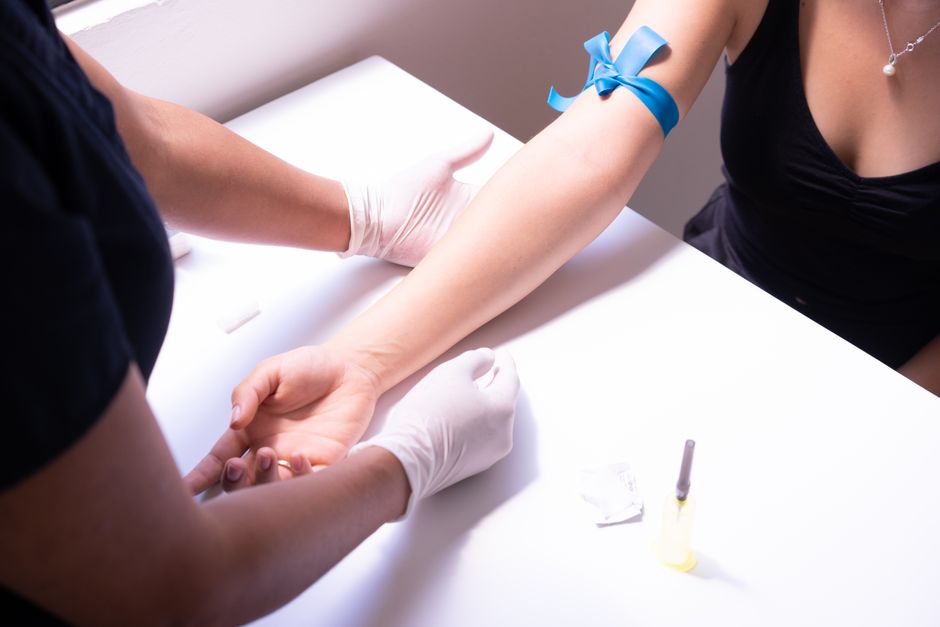
Most people recover from a routine blood draw within minutes to a few hours. The main things that help are simple: keep the bandage on for a short time, drink fluids, eat something if you skipped a meal, and avoid heavy lifting with that arm for the rest of the day. The needle stick itself is minor, but a small number of people feel lightheaded or develop a bruise, and a few basic steps lower that chance.
What To Do After Getting Blood Drawn Recovery Tips?
Keep the cotton ball or gauze pressed on the site for a few minutes after the needle comes out. Most clinics hold pressure for you before you leave, but if you are doing it yourself, firm steady pressure works better than a quick press and release.
Leave the bandage on for at least 15 to 30 minutes. Some clinicians suggest keeping it on longer, especially if you take a blood thinner or have had bruising before. There is no strong trial evidence that pins down the ideal bandage time, so this is common practice rather than a proven rule.
Then move on with your day. You can drive, work, and eat normally. The main things to avoid for a few hours are heavy lifting with the arm that was used and vigorous exercise that strains that arm.
Drink some water. Blood draws remove a small volume — usually a few teaspoons to a few tablespoons depending on how many tubes are filled — so you do not need to “replace” blood. But staying hydrated helps you feel steady, especially if you were fasting.
Why Do Some People Feel Dizzy or Faint After a Blood Draw?
Feeling lightheaded after a blood draw is common and usually has nothing to do with losing blood. It is a vasovagal response — a reflex where the body briefly slows the heart rate and widens blood vessels, dropping blood pressure for a moment.
The trigger is often the sight of blood, the needle, or the anticipation of the procedure rather than the procedure itself. Some people feel it before the needle even goes in. Others feel fine during the draw and get woozy a minute later.
If you feel faint, sit or lie down right away. Do not try to walk it off. Put your head between your knees or lie flat with your legs slightly raised. This helps blood return to the brain. Symptoms usually pass within a few minutes.
Tell the staff before your next draw if this has happened to you. They can have you lie down for the procedure, which prevents most of these episodes.
Fainting that does not pass, chest pain, shortness of breath, or a racing heartbeat are not typical after a routine blood draw and should be checked by a clinician.
How Do You Prevent Bruising After a Blood Draw?
Bruising happens when a small amount of blood leaks from the vein into the tissue around it. It is the most common minor after-effect of a blood draw and usually fades on its own within a week or two.
Firm pressure right after the needle is removed is the best prevention. Press directly on the puncture site, not just near it. Keep the arm straight rather than bending it up, which some people do out of habit but which does not reliably stop bleeding.
Skip heavy lifting and avoid bending the arm repeatedly for the rest of the day. If you take a blood thinner such as warfarin, apixaban, or aspirin, tell the person drawing your blood. They may hold pressure longer.
If a bruise forms, it will likely change color over several days — from purple to green to yellow — as the body breaks down the blood. That is normal. A cold pack wrapped in a cloth for 10 to 15 minutes can ease discomfort in the first day. Do not put ice directly on the skin.
See a clinician if the area becomes hot, very swollen, or painful out of proportion to a small bruise, or if it keeps growing after the first day. Those are not typical bruise signs.
Should You Eat or Drink Something Specific After a Blood Draw?
There is no special food or drink that speeds recovery from a routine blood draw. Your body replaces the small amount of blood lost on its own, usually within days.
If you fasted for the test, eat a normal meal afterward. Low blood sugar from skipping breakfast is a common reason people feel shaky or lightheaded after a morning draw — not the blood loss itself.
Water is the most useful thing to reach for. Coffee or tea is fine for most people. Alcohol is best avoided right after, mainly because it can add to lightheadedness.
Iron-rich foods do not “restore” blood after a standard draw. A typical blood test removes far too little blood to affect your iron stores. People having frequent draws for a medical condition are a different case and should follow their clinician’s advice.
When Can You Exercise or Lift Weights After a Blood Draw?
Light activity like walking is fine right away. For heavier exercise, most clinicians suggest waiting a few hours to a day, mainly to avoid re-bleeding or a bigger bruise at the site.
If you donate a full unit of blood — about 450 to 500 milliliters — the guidance is different. Donation removes roughly 8 to 10 percent of your blood volume, and many blood services advise avoiding strenuous activity and heavy lifting for the rest of the day. Some suggest waiting longer before intense exercise. Follow the instructions from the donation center.
A standard lab draw removes a tiny fraction of that. You are not replacing a meaningful volume, so there is no physiological reason to rest for a full day unless you feel lightheaded.
What About the Small Risks People Rarely Mention?
Serious complications from a routine blood draw are uncommon but real. They include a hematoma (a larger collection of blood under the skin), irritation of the vein, and — rarely — infection at the site or nerve irritation.
Signs that warrant a call to a clinician include:
- Redness, warmth, or streaks spreading from the site
- Fever
- Numbness, tingling, or weakness in the hand or fingers that does not go away
- A lump that keeps growing or is very painful
- Bleeding that does not stop after 10 minutes of firm pressure
These are not common. Most people leave with nothing more than a small red mark. But knowing what is not normal helps you decide when to check in.
Does Drinking Water Before Your Next Draw Help?
Staying well hydrated makes veins easier to find and can make the draw quicker and less uncomfortable. This is widely recommended by phlebotomists, though formal trial evidence on how much it helps is limited.
Drink water in the hours before your appointment. Being well hydrated does not change your test results for most standard blood tests, but check with your clinician if you were told to fast — some tests require no food or drink for a set period.
If you have had fainting or bruising before, tell the staff when you check in. Small adjustments — lying down for the draw, using a smaller needle, holding pressure longer — often make the next one easier.
Frequently Asked Questions
How long should I keep the bandage on after a blood draw?
Most clinicians suggest at least 15 to 30 minutes. There is no strong evidence for one exact time, so follow the instructions you were given and keep it on longer if you bruise easily.
Can I shower after getting blood drawn?
Yes, a shower is fine once the bandage has been on for a short time. Keep the site clean and avoid scrubbing it directly for the first day.
Why do I feel tired after a blood draw?
Feeling tired is usually from fasting, nerves, or a mild vasovagal response rather than blood loss. A routine draw removes very little blood, and fatigue that lasts more than a day is worth mentioning to a clinician.
How long does a bruise last after a blood draw?
Most bruises fade within one to two weeks. A bruise that keeps growing, becomes hot, or is very painful after the first day should be checked by a clinician.
