
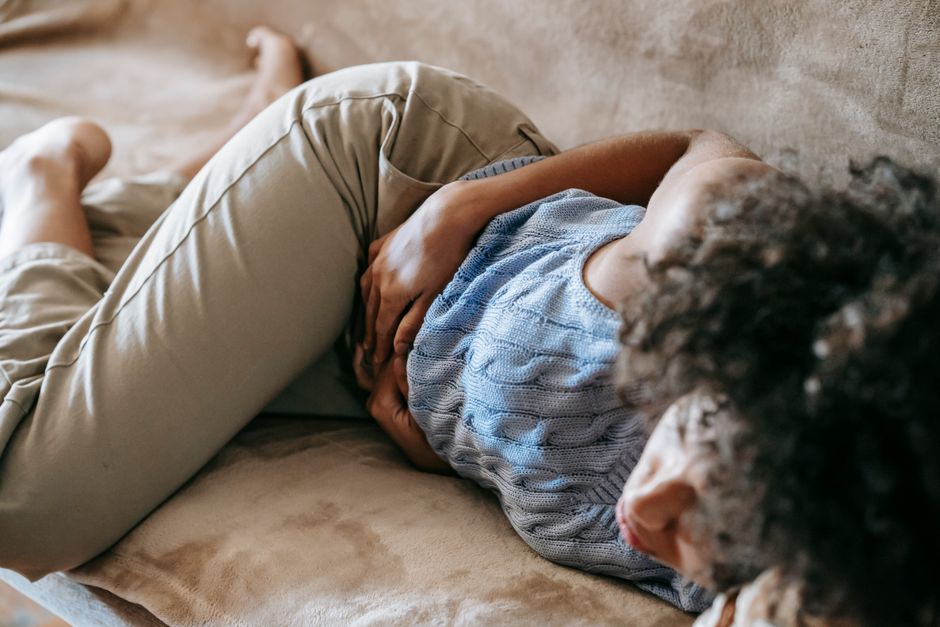
Egg retrieval is a short procedure, but the days that follow can feel confusing. Mild cramping and bloating are expected and usually ease within a few days. The key task afterward is watching for signs of ovarian hyperstimulation syndrome (OHSS), a condition where fluid shifts out of your blood vessels and into your abdomen and chest. Knowing which symptoms are normal and which need a call to your clinic is the most important thing you can do.
What Is Normal After Egg Retrieval?
Some discomfort after egg retrieval is expected. The procedure involves a needle passing through the vaginal wall into the ovaries to collect eggs, and the ovaries have been stimulated to grow many follicles at once. That combination leaves most people with some soreness and pressure.
Typical symptoms in the first few days include:
- Mild to moderate cramping, similar to period pain
- Bloating or a feeling of fullness in the lower belly
- Light vaginal spotting or discharge
- Sleepiness from the sedation used during the procedure
- Tender breasts or mood shifts from hormone changes
These usually improve gradually rather than getting worse. That direction matters. Symptoms that steadily build over several days are the ones to pay attention to.
What To Do After Egg Retrieval: Pain, Bloating, and OHSS
Rest on the day of the procedure, then return to light activity as you feel able. Gentle movement can help with bloating and bowel sluggishness. Avoid strenuous exercise, heavy lifting, and sexual intercourse until your clinic says it is fine, because the ovaries are enlarged and tender.
For pain, acetaminophen (Tylenol) is generally the first choice. Many clinics advise avoiding NSAIDs such as ibuprofen or naproxen around this time. The concern is that these drugs can affect ovulation and, in some cases, the small risk of bleeding. Follow your own clinic’s instructions, since practices differ.
For bloating and fluid balance, most clinics recommend:
- Drinking fluids steadily through the day, with electrolyte drinks rather than plain water alone
- Eating protein-rich foods
- Limiting very salty foods
- Weighing yourself each morning and noting the number
- Tracking how much you urinate and how often
Daily weights and urine output are not busywork. They are the two simplest ways to catch fluid shifting into the abdomen before it becomes serious. A steady weight gain of a few pounds over a day or two, or noticeably less urination, is worth a call.
What Is OHSS and Who Is at Higher Risk?
Ovarian hyperstimulation syndrome is an exaggerated response to the fertility hormones used to grow eggs. The ovaries swell, and fluid leaks from the bloodstream into the abdominal cavity and sometimes around the lungs. This is why bloating, weight gain, and reduced urination are the signals that matter.
OHSS is uncommon but not rare. It is more likely in people who develop many follicles, who have a high estrogen level at trigger, who become pregnant in the same cycle, and in those with polycystic ovary syndrome. Using a lower dose of trigger medication, or a different trigger drug, lowers the risk. Some clinics also use a “freeze-all” approach, where embryos are frozen and transferred in a later cycle rather than right away, because pregnancy hormones can worsen OHSS.
Most cases are mild and resolve on their own within about a week to ten days. If pregnancy occurs, symptoms can last longer because the hormone that supports early pregnancy also drives fluid shifts.




When Should You Call Your Clinic?
Call your fertility clinic the same day if you notice any of the following:
- Rapid weight gain, such as several pounds in a single day
- Increasing belly swelling or pain that is not easing
- Much less urine than usual, or a dark color
- Shortness of breath or trouble breathing
- Nausea and vomiting that keeps you from drinking
- Dizziness, fainting, or a racing heart
- Pain in one spot that is severe or sharp
Shortness of breath, fainting, or chest symptoms are reasons to seek emergency care rather than wait. These can signal fluid around the lungs or a blood clot, both of which need urgent attention. Do not drive yourself if you feel faint.
Severe OHSS is uncommon, but it can require hospital care, IV fluids, and sometimes drainage of excess fluid. The point of watching symptoms is to catch it early, when it is far easier to manage.
How Long Does Recovery Take?
For most people, the worst of the discomfort passes within three to five days, and bloating settles within a week or so. If a fresh embryo transfer happens and pregnancy begins, symptoms may linger longer because of rising pregnancy hormones.
If symptoms are still worsening after a week, or if they never started improving, that is not typical and is worth a call. Recovery is not a straight line, but the general trend should be toward feeling better, not worse.
What About Diet, Rest, and Movement?
There is no special diet that treats OHSS. The general advice to stay hydrated, favor electrolytes, and eat protein is based on supporting fluid balance, not on strong trial evidence. It is reasonable and widely recommended, but it is not a cure.
Rest when you are tired, but do not stay completely still for days if you feel up to moving. Gentle walking supports circulation and helps with constipation, which is common after the procedure. Hold off on intense workouts, heavy lifting, and anything that jostles the belly until your clinic clears you.
One non-obvious point: the risk of OHSS does not end the moment the procedure is over. It often peaks several days after the trigger shot, which is why the days after retrieval, not the day itself, are when symptoms tend to show up. Keep watching for about a week to ten days.
How Is OHSS Treated?
Mild OHSS is managed at home with rest, fluids, pain relief, and monitoring. Moderate cases may need closer follow-up and sometimes fluid support. Severe cases can require hospitalization, intravenous fluids, and procedures to remove excess fluid from the abdomen or chest.
Treatment is supportive. There is no medication that reverses OHSS once it starts, so care focuses on managing symptoms and preventing complications like dehydration, blood clots, and breathing problems. This is why reporting symptoms early matters more than any home remedy.
Frequently Asked Questions
How long does bloating last after egg retrieval?
Mild bloating usually eases within about a week. If it keeps getting worse instead of better, or comes with rapid weight gain or less urination, call your clinic.
Is it normal to gain weight after egg retrieval?
A small amount of weight change can be normal from bloating and fluid shifts. Rapid weight gain, such as several pounds in a day, is a warning sign of OHSS and should be reported.
What should I drink after egg retrieval?
Most clinics recommend steady fluids with electrolytes rather than large amounts of plain water alone. Follow your own clinic’s guidance, since advice varies.
When should I worry about OHSS after egg retrieval?
Worry when symptoms build over several days rather than fade, especially with rapid weight gain, reduced urination, or shortness of breath. Shortness of breath or fainting needs emergency care.
