
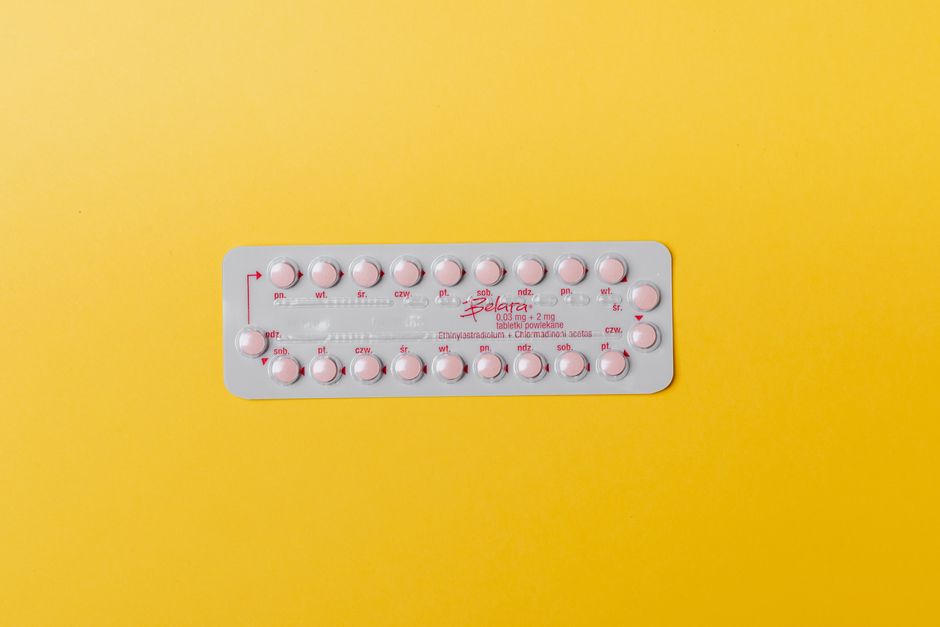
Low estrogen is treatable, and the most effective treatment depends on why your levels are low and whether you still have a uterus. For most people with bothersome symptoms of the menopause transition, standard hormone therapy — estrogen alone if you’ve had a hysterectomy, or estrogen plus a progestogen if you haven’t — is the best-studied option. For low estrogen caused by other factors, such as intense exercise, very low body weight, or a medication effect, the right approach is different and often does not involve hormones at all.
This guide covers what the evidence actually supports, what it does not, and how to tell which situation applies to you.
What Counts as Low Estrogen?
There is no single number that defines low estrogen in the way a blood pressure reading defines hypertension. Estrogen levels shift constantly across the menstrual cycle and fall naturally with age. What matters clinically is the combination of your symptoms, your age, your menstrual history, and — when useful — a blood test.
Estradiol is the main form of estrogen in the body during the reproductive years. In a normal cycle it rises and falls, peaking just before ovulation. During the menopause transition, levels become erratic before settling at a low, fairly stable point after menopause. That erratic phase is why symptoms can come and go.
Low estrogen can cause a recognizable cluster of symptoms:
- Hot flashes and night sweats
- Vaginal dryness, discomfort during sex, and urinary changes
- Irregular or missed periods
- Sleep disruption and mood changes
- Over time, bone loss
These symptoms overlap with many other conditions, including thyroid problems and depression. That overlap is why symptoms alone are not a diagnosis. If the cause is unclear, a clinician may order blood tests — follicle-stimulating hormone and estradiol are the usual ones — but timing matters, and results are interpreted differently depending on your age and cycle status.
What To Do About Low Estrogen Treatments That Work
Systemic hormone therapy is the most effective treatment for moderate to severe hot flashes and night sweats related to menopause. That conclusion rests on decades of trial evidence, not marketing. Estrogen is also the most effective treatment for genitourinary symptoms — vaginal dryness, pain with sex, and recurrent urinary tract irritation — and it can be delivered locally rather than systemically.
The choice between options comes down to your uterus, your symptom pattern, your risk profile, and your preferences. Here is how the main categories compare.
| Treatment | Best for | Key considerations |
|---|---|---|
| Systemic estrogen alone | Hot flashes, night sweats in people without a uterus | Standard option after hysterectomy; not for people with a uterus due to endometrial risk |
| Estrogen plus progestogen | Hot flashes, night sweats in people with a uterus | Progestogen protects the uterine lining; available as combined pills, patches, or separate components |
| Low-dose vaginal estrogen | Vaginal dryness, pain with sex, urinary symptoms | Minimal systemic absorption at standard doses; generally used without a progestogen |
| Non-hormonal prescription options | People who cannot or prefer not to use hormones | Several medications have evidence for reducing hot flashes; effect sizes vary |
| Lifestyle measures | Mild symptoms or as an adjunct | Helpful for comfort; not a substitute for treatment of severe symptoms |
One point that gets lost in the noise: vaginal estrogen and systemic hormone therapy are not the same treatment. Low-dose vaginal products are used for local symptoms and work differently from a patch or pill that raises estrogen throughout the body. Many people who are not candidates for systemic therapy are still appropriate candidates for local therapy.
How Does Hormone Therapy Work?
Estrogen works by binding to receptors in tissues throughout the body, including the brain’s temperature-regulating center, the vaginal lining, the urinary tract, and bone. When estrogen falls, that signaling drops, and the body responds in ways that produce symptoms.
Hot flashes are the clearest example. The hypothalamus — the brain region that controls body temperature — becomes more sensitive to small temperature changes when estrogen is low. The body overreacts, triggering sweating and flushing to cool down. Replacing estrogen calms that response. This is well-established physiology, and it explains why estrogen is so effective for hot flashes specifically.
The progestogen in combined therapy is not there to treat symptoms. It is there to protect the lining of the uterus. Unopposed estrogen — estrogen without a progestogen — raises the risk of endometrial cancer in people who have a uterus. This is why the uterus is the deciding factor in which regimen is prescribed.
What About Non-Hormonal Options?
Non-hormonal treatments have real evidence behind them, though generally with smaller effects than estrogen. Several prescription medications originally developed for other conditions — including certain antidepressants and a medication that targets hot flash pathways in the brain — have been studied for menopause symptoms and are used in practice.
Some clinicians recommend these for people who cannot use hormones, such as those with a history of certain cancers, or for people who simply prefer to avoid them. The evidence base is smaller than for hormone therapy, and response varies. If a clinician offers a non-hormonal option, it is reasonable to ask what the expected benefit is and how it compares to what you would get from hormones.
Over-the-counter supplements marketed for menopause are a different story. Many contain ingredients with limited or no rigorous trial evidence. Some, like certain herbal products, have been studied with mixed results. No supplement has been shown to match the effectiveness of hormone therapy for hot flashes. That is the honest position.
What If Low Estrogen Isn’t About Menopause?
Menopause is the most common cause of low estrogen, but not the only one. In younger people, low estrogen can result from:
- Intense exercise combined with low energy intake — sometimes called relative energy deficiency in sport
- Very low body weight or eating disorders
- Certain medical conditions affecting the ovaries
- Medications, including some used in cancer treatment
- Primary ovarian insufficiency, where ovarian function declines earlier than usual
This distinction matters because the treatment is different. In exercise-related or energy-deficiency cases, the first-line approach is usually to address the underlying cause — restoring adequate energy intake and adjusting training — rather than starting hormone therapy. In primary ovarian insufficiency, hormone therapy is typically used to replace what the body would otherwise produce, for both symptom relief and protection of bone and cardiovascular health.
If your periods have stopped or become irregular and you are under 40, this warrants medical evaluation. Missing this distinction can delay appropriate care.
What Are the Risks and Benefits to Weigh?
The risk conversation around hormone therapy has been distorted by early headlines and simplified ever since. The clearest evidence comes from large randomized trials in women in their fifties and sixties. Those trials found that for most healthy women in that age range, the benefits for symptom relief generally outweigh the risks, particularly when therapy starts within about ten years of menopause.
Risks do exist and vary by regimen. Estrogen alone and combined therapy have different risk profiles. Combined therapy has been associated with a small increase in breast cancer risk with longer duration of use, while estrogen alone has not shown the same increase in the trials that studied it. Both can affect the risk of blood clots and stroke, depending on the route of delivery and your personal health history.
Route matters more than many people realize. Transdermal estrogen — delivered through a patch, gel, or spray — avoids the first pass through the liver that oral estrogen undergoes, and some evidence suggests a lower clotting risk with transdermal delivery. This is an area where clinical practice is still evolving, and your clinician’s recommendation should account for your specific risk factors.
These are conversations to have with a clinician who knows your history, not decisions to make from a general article. The right answer for someone with a personal history of breast cancer is different from the right answer for someone with none.
How Long Should Treatment Last?
There is no fixed rule. For many people, symptoms ease on their own over time, and therapy can be tapered. For others, symptoms persist for years. The general approach is to use the lowest effective dose for the shortest duration that manages symptoms, and to reassess regularly.
Vaginal estrogen is an exception. It is often used long-term because genitourinary symptoms tend to return when treatment stops, and the safety profile of low-dose local therapy is different from systemic therapy. Some clinicians recommend continued use indefinitely for those who benefit.
Bone protection is a separate consideration. Estrogen helps maintain bone density, and the years around menopause are when bone loss accelerates. Whether to continue hormone therapy specifically for bone health is a decision that should weigh your fracture risk and other available treatments.
Frequently Asked Questions
What is the most effective treatment for low estrogen symptoms?
Systemic hormone therapy is the most effective treatment for moderate to severe hot flashes and night sweats, based on decades of trial evidence. Low-dose vaginal estrogen is the most effective option for vaginal and urinary symptoms.
Can I take estrogen if I still have my uterus?
Yes, but you would typically need a progestogen alongside it to protect the uterine lining. Estrogen alone without a progestogen raises the risk of endometrial cancer in people who have a uterus.
Is vaginal estrogen safer than systemic hormone therapy?
Low-dose vaginal estrogen has minimal absorption into the bloodstream at standard doses, so it carries a different and generally lower risk profile than systemic therapy. It is used for local symptoms and is not a substitute for systemic treatment of hot flashes.
Can low estrogen be treated without hormones?
Yes. Several non-hormonal prescription medications have evidence for reducing hot flashes, though generally with smaller effects than estrogen. Lifestyle measures can help with comfort but are not a substitute for treating severe symptoms.
