
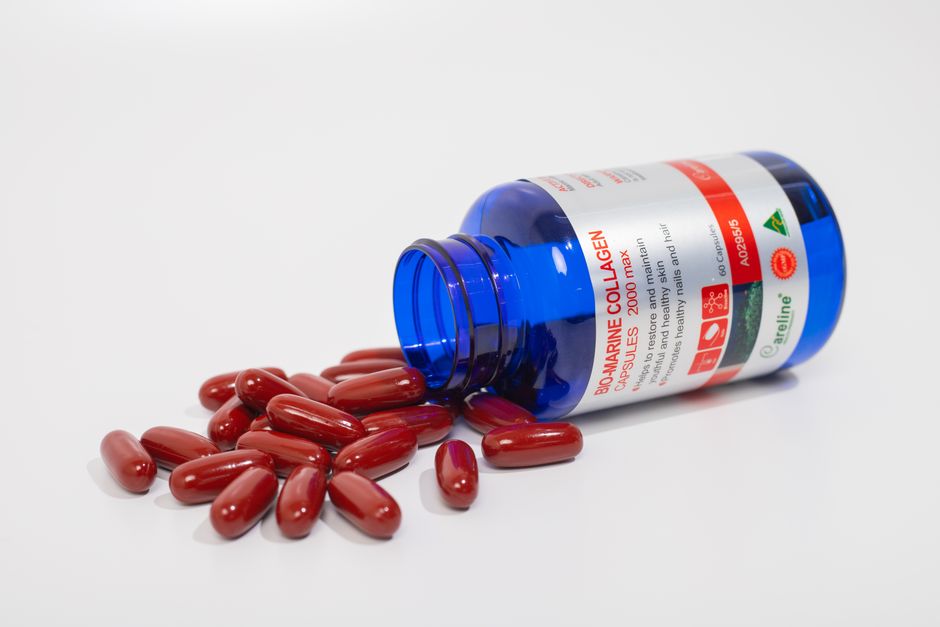
Collagen supplements have become one of the most popular products in the health aisle, and most people take them without ever checking what else is in their routine. The main things to avoid are: combining collagen with high-dose vitamin C “for absorption” without knowing your total intake, taking collagen alongside certain medications without timing them apart, and choosing products that hide stimulants, sugars, or undeclared additives. Collagen is generally well tolerated, but “well tolerated” is not the same as “safe with everything.”
There is also a quieter issue most people miss. Many collagen products are marketed as if they replace protein in your diet. They do not. A scoop of collagen is not a complete protein, and treating it as one can leave a real gap in your nutrition while you feel like you have covered it.
What To Avoid When Taking Collagen Supplements?
The single biggest mistake is treating collagen as a blank-slate supplement that cannot interact with anything. It is a protein. It gets digested, absorbed, and processed like other proteins, and that means it can compete with, delay, or interfere with other things you take.
Here are the categories worth watching.
- High-dose vitamin C taken at the same time. Collagen synthesis in the body does require vitamin C. That is well established physiology. But the amount needed for that role is small, and it is easy to already get enough from food. Loading up on large vitamin C doses alongside collagen does not clearly improve results and can cause digestive upset or, at very high intakes, contribute to kidney stone risk in susceptible people.
- Medications that need to be taken on an empty stomach. Protein slows stomach emptying. If you take a medication that requires an empty stomach, a collagen shake can work against that requirement.
- Thyroid medication. Levothyroxine absorption is sensitive to what is in the stomach. Taking it with a protein shake, including collagen, can reduce how much you absorb.
- Products with added stimulants or “proprietary blends.” Some collagen powders and gummies include caffeine, green tea extract, or blends that do not list amounts. You may be getting more than you think.
- Added sugar and sugar alcohols. Many flavored collagen products are closer to candy than supplement. The label tells you.
- Collagen as a protein substitute. It lacks tryptophan, an essential amino acid. It cannot do the full job of a complete protein.
None of this means collagen is dangerous. It means the product and the timing matter more than most labels suggest.
Does Collagen Interact With Medications?
Collagen itself has no well-documented direct drug interactions in the way that, say, grapefruit juice interacts with certain medications. The concern is indirect, and it comes down to timing and stomach emptying.
Protein slows gastric emptying. That is normal and expected. But some medications are designed to be absorbed quickly, on an empty stomach, before food or protein gets in the way. Levothyroxine is the clearest example. Clinical guidance for levothyroxine is to take it on an empty stomach, typically 30 to 60 minutes before eating. A collagen shake counts as eating.
Other medications where timing matters include certain antibiotics and some osteoporosis drugs. If you take any medication that says “take on an empty stomach” or “take at the same time each day away from food,” check with your pharmacist before adding a collagen shake to your morning.
This is not a reason to avoid collagen. It is a reason to separate it from those medications by the interval your pharmacist recommends.
Is It Bad To Take Collagen With Vitamin C?
No, it is not bad. The idea that you need a large dose of vitamin C to “activate” collagen is where the marketing gets ahead of the evidence.
Vitamin C is a cofactor in collagen synthesis. The body needs it. Without enough vitamin C, collagen production is impaired. That part is solid, well-established biochemistry. Scurvy is the extreme example.
What is not established is that taking extra vitamin C beyond what your body needs increases how much collagen you make or how well a collagen supplement works. The body regulates this. Once you have enough vitamin C, more does not push collagen production higher.
For most adults, the recommended daily intake of vitamin C is easily met through food. Citrus, peppers, strawberries, and broccoli all contribute. If you already eat a varied diet, adding a large vitamin C dose alongside your collagen is unlikely to help and may cause stomach upset.
If you take a collagen product that already includes vitamin C, that is fine. Just do not stack it with a separate high-dose vitamin C supplement without checking your total intake with a clinician.
Should You Avoid Collagen If You Have Allergies?
This depends entirely on the source. Collagen comes from animal tissue, and the source matters for anyone with a known allergy or sensitivity.
Most collagen on the market is bovine, porcine, marine, or eggshell membrane derived. If you have a fish or shellfish allergy, marine collagen is a real concern. If you react to eggs, eggshell membrane collagen is a concern. If you avoid pork for religious or dietary reasons, porcine collagen is a concern.
Some people also react to the fillers, flavorings, or preservatives in a product rather than the collagen itself. If you have tried collagen and had a reaction, the source is the first thing to check, and the ingredient list is the second.
If you have a diagnosed allergy, talk to your clinician before starting any collagen product. This is not a situation to sort out by trial and error.
What About Collagen And Pregnancy Or Breastfeeding?
There are no clinical guidelines for collagen supplementation during pregnancy or breastfeeding. That is the honest position, and it is not a small point.
Collagen is a protein, and protein is not inherently risky in pregnancy. But collagen supplements are not the same as food protein. They are concentrated products, often with added ingredients, and they have not been studied in pregnant or breastfeeding populations for safety or outcomes.
Some collagen products also contain herbs, caffeine, or other additives that carry their own questions in pregnancy. Without data, the conservative approach many clinicians take is to skip supplemental collagen during pregnancy and breastfeeding and get protein from food sources that have a long safety record.
If you are pregnant or breastfeeding and considering collagen, that is a conversation to have with your obstetric provider, not a decision to make from a label.
Can You Take Too Much Collagen?
There is no established upper limit for collagen specifically. That does not mean more is better.
Collagen is a protein, and total protein intake does matter. Very high protein intakes can be a concern for people with certain kidney conditions, and they can crowd out other nutrients if they replace a varied diet. Most collagen products suggest a daily serving, and there is no evidence that exceeding it improves results.
Digestive side effects are the most common complaint with higher intakes. Bloating, fullness, and loose stools are reported. These are usually mild and resolve when the dose is reduced.
If you have kidney disease, liver disease, or a condition that affects protein metabolism, check with your clinician before adding any protein supplement, including collagen.
What Should You Look For On A Collagen Label?
The label is where most problems are either avoided or created. A few things are worth checking every time.
- Protein per serving. This tells you how much you are actually getting. Some products are mostly filler.
- Added sugar. Flavored products can carry a meaningful amount. Check the grams per serving.
- Stimulants. Caffeine, green tea extract, guarana, and “energy” blends do not belong in a collagen product unless you know they are there.
- Proprietary blends. If the amounts are not listed, you cannot know what you are taking.
- Third-party testing. Independent testing for heavy metals and contaminants is a meaningful quality signal, especially for marine collagen.
- Source. Bovine, porcine, marine, or eggshell. This matters for allergies and dietary restrictions.
One clarification worth making: collagen peptides are broken down into amino acids and small peptides during digestion. They do not travel intact to your skin or joints. Any effects they have come from those breakdown products and the signals they send, not from the collagen molecule itself arriving where you want it. That is why claims about “rebuilding” specific tissues should be read carefully.
Do You Need To Cycle Collagen Or Take Breaks?
There is no established reason to cycle collagen. No clinical evidence supports the idea that your body needs a break from it, and no guideline recommends cycling.
The cycling advice usually comes from general supplement culture rather than collagen-specific research. If you take collagen and it works for you, there is no documented harm in continuing. If you stop and restart, that is also fine.
What matters more is whether the product is doing anything for you at all. If you have taken it for several months and noticed no change, that is useful information. Collagen is not a nutrient your body cannot get elsewhere. It is a supplemental source of specific amino acids, and its benefits, where they exist, are modest and not universal.
Frequently Asked Questions
Can I take collagen with my thyroid medication?
You should separate them. Levothyroxine is absorbed best on an empty stomach, and a collagen shake counts as food that can reduce absorption.
Is it safe to take collagen every day?
Daily use is common and generally well tolerated in healthy adults. People with kidney or liver conditions should check with a clinician first.
Does collagen interact with birth control or antibiotics?
No direct interactions are well documented. Timing can matter for antibiotics that need an empty stomach, so ask your pharmacist.
Can collagen replace protein in my diet?
No. Collagen lacks tryptophan, so it is not a complete protein and cannot do the full job of protein from food or a complete protein powder.
