
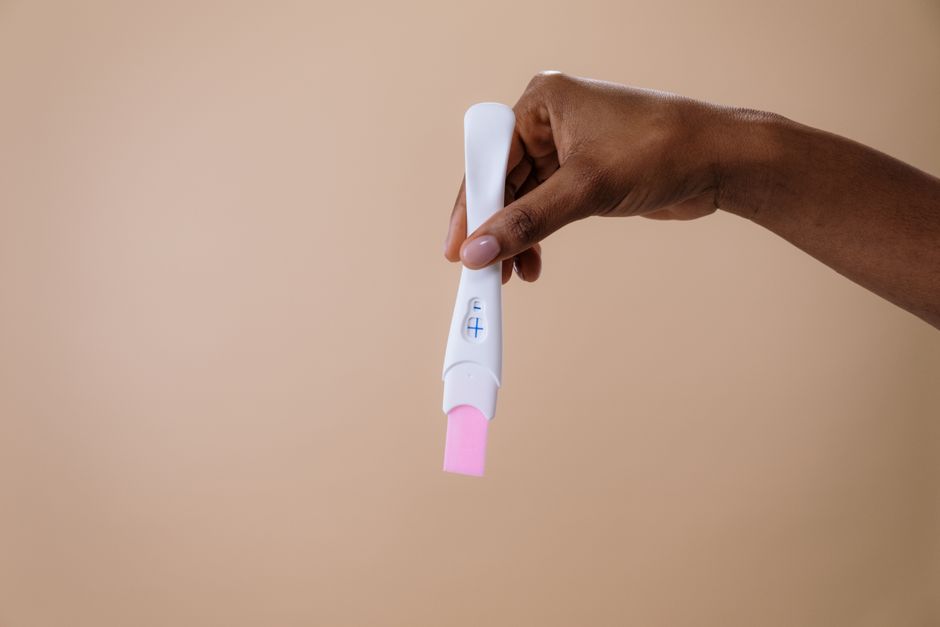
Most early miscarriages are caused by chromosomal problems in the embryo that cannot be prevented. No food, activity, or stress level you control can change that. What you can do is avoid a small set of known harms — alcohol, smoking, certain infections, and some medications and toxins — and get early prenatal care. That is the honest, evidence-based picture.
Miscarriage is common. Research consistently shows that roughly one in four recognized pregnancies ends in miscarriage, and most of these happen in the first 12 weeks. Many occur before a woman even knows she is pregnant. Because early loss is so often linked to genetic errors in the developing embryo, it is not something a parent causes through everyday choices.
What actually causes most early miscarriages?
The leading cause is chromosomal abnormality in the embryo. When an egg and sperm combine, the genetic material can come together in a way that cannot support development. The body recognizes this and the pregnancy stops. These errors are random and not caused by anything the mother did or did not do.
Other causes include problems with the uterus, hormone imbalances, and certain chronic conditions such as poorly controlled diabetes or thyroid disease. Some clotting disorders and immune conditions also play a role. Age matters too — the risk of chromosomal error rises with maternal age, which is why miscarriage rates are higher in women over 35.
This is where a lot of guilt gets misplaced. Heavy lifting, a stressful week at work, a fall, or having sex do not cause miscarriage. The evidence does not support those fears. Understanding the real causes helps separate what you can influence from what you cannot.
What To Avoid In Early Pregnancy To Prevent Miscarriage?
Alcohol is the clearest one to avoid. There is no known safe amount of alcohol during pregnancy, and no safe trimester. Alcohol crosses the placenta and can harm fetal development. While the strongest evidence links alcohol to fetal alcohol spectrum disorders rather than to miscarriage specifically, the guidance is the same: stop drinking when you are trying to conceive and throughout pregnancy.
Smoking and vaping should also stop. Smoking is linked to higher rates of miscarriage, low birth weight, and other pregnancy complications. The evidence on vaping during pregnancy is much thinner, but nicotine and other chemicals in vape aerosol are not considered safe in pregnancy, and the honest position is that we do not have good long-term human data showing they are harmless.
Recreational drugs, including cannabis, carry risk. Cannabis use in pregnancy has been associated with lower birth weight and other concerns, and the evidence base is still developing. The safest position is to avoid it.
High-dose caffeine deserves a mention. Moderate caffeine — generally described as staying under about 200 milligrams a day, roughly one 12-ounce cup of coffee — is considered acceptable by most major health bodies. Higher intakes have been associated with increased miscarriage risk in some studies, though the evidence is not fully consistent. Staying moderate is a reasonable step.
Certain foods carry infection risk. Avoid raw or undercooked meat, unpasteurized dairy, raw fish and shellfish, and deli meats unless heated until steaming. These can carry listeria, toxoplasma, and other organisms that are rare but serious in pregnancy.
Which infections are linked to miscarriage risk?
A few infections are genuinely linked to pregnancy loss, and they are worth knowing about because some are preventable.
- Listeria — from unpasteurized dairy, soft cheeses, and ready-to-eat deli meats. It can cause miscarriage and severe illness in the newborn.
- Toxoplasmosis — from undercooked meat, unwashed produce, and cat feces. If you garden or handle a litter box, wear gloves and wash your hands.
- Cytomegalovirus (CMV) — common and usually harmless, but a first infection during pregnancy can affect the baby. Good hand hygiene around young children, who often carry it, reduces risk.
- Rubella — largely prevented by vaccination, which is why checking immunity before pregnancy matters.
Fever itself is worth taking seriously. A high fever from any infection should be checked by a clinician rather than waited out.
Are there medications and supplements to be careful with?
Some medications carry real risk in early pregnancy, and this is one area where you should not guess. Talk to a clinician or pharmacist before starting, stopping, or changing anything — including over-the-counter drugs and herbal supplements.
Certain acne medications, such as oral isotretinoin, are well known to cause severe birth defects and are contraindicated in pregnancy. Some seizure medications and blood thinners carry risk and require careful management rather than abrupt stopping. The key point: never stop a prescribed medication on your own without talking to your prescriber, because an untreated condition can also harm a pregnancy.
For pain and fever, some clinicians recommend acetaminophen as a first choice over certain other options, but guidance on this has shifted and the evidence on some pain relievers in pregnancy is still being debated. Ask your clinician what is appropriate for you rather than relying on general advice.
Herbal supplements are a blind spot for many people. They are not tested for pregnancy safety the way medications are, and “natural” does not mean safe. No clinical guidelines currently confirm the safety of most herbal products in pregnancy, so the conservative approach is to avoid them unless a clinician specifically approves one.
What about environmental toxins and workplace exposures?
Some chemical and physical exposures are linked to pregnancy risk. The strongest concerns involve high-level occupational exposure to certain solvents, pesticides, and heavy metals such as lead and mercury. If your job involves these, talk to your employer and clinician about protections.
Radiation is another. High doses are harmful, which is why X-rays are used cautiously in pregnancy and why you should tell any provider you may be pregnant before imaging. Routine diagnostic imaging is generally managed carefully and is not the same as high-dose exposure.
Household chemicals are a lower-level concern, but basic precautions make sense — ventilate when cleaning, wear gloves, and avoid inhaling strong fumes. There is no strong evidence that ordinary household cleaning products cause miscarriage at typical exposure levels, so this is about sensible caution, not fear.
What should you do instead of focusing only on avoidance?
Avoidance is only part of the picture. The things that support a healthy pregnancy are just as important, and some of them are well established.
- Take a prenatal vitamin with folic acid. Folic acid is proven to reduce the risk of neural tube defects, and it is recommended before conception and in early pregnancy.
- Attend early prenatal care. Conditions like thyroid disease, diabetes, and high blood pressure can be managed, and early care catches them.
- Eat a balanced diet and stay active. Regular moderate activity is considered safe and beneficial in most pregnancies.
- Manage chronic conditions before and during pregnancy. Good control of diabetes and thyroid disease matters.
- Get enough sleep and manage stress where you can. Stress is not a proven cause of miscarriage, but supporting your overall health is still worthwhile.
One clarification worth stating plainly: there is no diet, supplement, or lifestyle habit proven to prevent miscarriage caused by chromosomal errors. That is the majority of early losses. So the goal is not to eliminate all risk — that is not possible — but to reduce the risks you can actually influence.
When should you seek medical care?
Contact a clinician if you have vaginal bleeding, cramping, or passing tissue, or if you have a fever, severe pain, or feel unwell. Some spotting in early pregnancy can be normal, but it should always be checked.
If you have had recurrent miscarriages — generally defined as two or more consecutive losses, though definitions vary — ask about evaluation. Some causes, such as uterine problems or clotting disorders, can be identified and sometimes treated. This is an area where the evidence is still evolving, and not every loss will have an identifiable cause.
Finally, if you are struggling emotionally after a loss, that is worth addressing too. Grief after miscarriage is real and common, and support is available.
Frequently Asked Questions
Can stress cause a miscarriage?
No strong evidence shows that everyday stress causes miscarriage. Severe, prolonged stress is worth managing for your overall health, but it is not a proven cause of early pregnancy loss.
Is it safe to exercise in early pregnancy?
Moderate exercise is considered safe and beneficial in most uncomplicated pregnancies. Check with your clinician if you have a specific condition or a history of pregnancy complications.
Does caffeine increase miscarriage risk?
High caffeine intake has been linked to increased risk in some studies, but the evidence is not fully consistent. Most health bodies consider moderate intake — roughly under 200 milligrams a day — acceptable.
Can having sex cause a miscarriage?
No. Sex does not cause miscarriage in a normal pregnancy, and the evidence does not support avoiding it unless a clinician advises otherwise for a specific reason.
