

The first trimester of pregnancy is a time of rapid development. Your baby’s major organs, spine, and nervous system are forming, which makes the first 13 weeks a critical window. What you avoid during this time matters as much as what you do. The most important things to avoid are alcohol, smoking, and certain medications, along with specific foods that carry a higher risk of foodborne illness. This guide walks through the key items to steer clear of and explains why they pose a risk.
Why Is The First Trimester So Important?
During the first trimester, a single fertilized egg develops into a fetus with a beating heart, brain, and limbs. This process is called organogenesis. It happens roughly between weeks 3 and 10 of pregnancy. Because cells are dividing and specializing so quickly, they are highly sensitive to toxins and infections.
Harmful substances can interfere with this development. The placenta is not fully formed until the end of the first trimester, meaning the embryo has less natural protection early on. This is why exposure to certain chemicals, infections, and drugs carries the highest risk during these first weeks. It is also why many healthcare providers recommend making lifestyle changes as soon as you know you are pregnant, or even when you start trying.
Alcohol: No Known Safe Amount
Alcohol is the single most preventable cause of developmental harm in pregnancy. When you drink, alcohol passes through the placenta and reaches your baby. Your baby’s liver is not developed enough to process it.
No amount of alcohol has been proven safe during pregnancy. This includes the first trimester, when the brain and face are forming. Heavy drinking can cause Fetal Alcohol Syndrome, which involves distinct facial features, growth problems, and brain damage. Even lower levels of alcohol consumption have been linked to behavioral and learning issues later in childhood.
Because no safe threshold has been identified, the clear guidance is to abstain completely. If you drank before you knew you were pregnant, do not panic. Stop now. The risk is highest with ongoing exposure, and stopping at any point reduces further risk.
Smoking And Vaping: Stop Both
Smoking during pregnancy restricts oxygen flow to your baby. The carbon monoxide in cigarette smoke binds to red blood cells more readily than oxygen does. This means less oxygen reaches the placenta and the developing fetus.
Smoking in the first trimester increases the risk of miscarriage and ectopic pregnancy. It also raises the risk of the placenta detaching from the uterine wall later in pregnancy, a condition called placental abruption. Babies born to smokers are more likely to be premature and have a low birth weight.
Vaping is not a safe alternative. E-cigarettes contain nicotine, which constricts blood vessels. This reduces blood flow to the placenta. The long-term effects of the other chemicals in vape aerosol on a developing fetus are not fully known. The safest choice is to stop both smoking and vaping entirely.




Medications: Prescription, Over-The-Counter, And Herbal
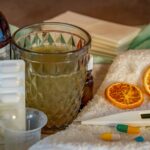
Many medications that are safe for adults are not safe during pregnancy. Some can cross the placenta and interfere with fetal development. Never stop a prescribed medication without talking to your doctor first, but do have that conversation early.
Some medications are known to cause birth defects if taken in the first trimester. These include certain medications for acne, seizures, and blood pressure. Isotretinoin, a common acne medication, is a well-known example. It causes severe birth defects and is strictly contraindicated in pregnancy.
Over-the-counter medications also require caution. Ibuprofen and other non-steroidal anti-inflammatory drugs (NSAIDs) are generally discouraged during pregnancy. Some evidence links them to an increased risk of miscarriage when taken around the time of conception or in early pregnancy. Acetaminophen (Tylenol) is generally considered the safer option for pain and fever, but you should still take the lowest effective dose for the shortest time needed.
Herbal supplements are not regulated like medications. Many have not been studied in pregnancy. Some herbs, like black cohosh and blue cohosh, are known to stimulate uterine contractions. The general guidance is to treat herbal supplements as you would any medication and discuss them with your healthcare provider before using them.
High-Risk Foods: Listeria And Toxoplasmosis
Your immune system changes during pregnancy. This makes you more susceptible to certain foodborne infections. Two infections are of particular concern: listeriosis and toxoplasmosis. Both can cross the placenta and cause serious harm to your baby.
Listeria is a bacteria found in some refrigerated and ready-to-eat foods. It can grow even at refrigerator temperatures. Infection during pregnancy can cause miscarriage, stillbirth, or severe illness in a newborn. Foods to avoid include:
- Unpasteurized milk and any products made from it, like soft cheeses such as feta, Brie, and queso fresco, unless labeled pasteurized
- Refrigerated pâtés or meat spreads
- Refrigerated smoked seafood, like lox or nova-style salmon
- Hot dogs and deli meats, unless they are heated until steaming hot
- Pre-made salads such as ham salad or chicken salad from a deli
Toxoplasmosis is a parasite found in undercooked meat and in cat feces. To reduce your risk, cook all meat to a safe internal temperature. Wash all fruits and vegetables thoroughly. Wear gloves when gardening, and have someone else change the litter box if possible. If you must change it yourself, wear gloves and wash your hands immediately after.
Fish High In Mercury And Raw Seafood
Fish is a good source of protein and omega-3 fatty acids, which are important for brain development. However, some fish contain high levels of mercury. Mercury is a neurotoxin that can harm a developing baby’s nervous system.
Avoid fish that are high in mercury. This includes shark, swordfish, king mackerel, and tilefish. Limit albacore (white) tuna to about one serving per week. Canned light tuna is lower in mercury and can be eaten in moderation.
Raw or undercooked seafood, including sushi, sashimi, oysters, and ceviche, should also be avoided. These can harbor bacteria and parasites that cause foodborne illness. Cooked seafood is safe and encouraged as part of a balanced diet.
Caffeine: Limit, Do Not Necessarily Eliminate
Caffeine crosses the placenta and reaches your baby. Your baby’s immature system metabolizes caffeine very slowly. Some studies have linked very high caffeine intake to an increased risk of miscarriage, but the evidence at moderate levels is less clear.
Most clinical guidance suggests limiting caffeine to about 200 milligrams per day during pregnancy. That is roughly one 12-ounce cup of coffee. Be aware that caffeine is also present in tea, soda, chocolate, and some medications. If you consume multiple sources throughout the day, it adds up quickly.
What About Hot Tubs, Saunas, And Hair Dye?
Raising your core body temperature above 102°F (39°C) in the first trimester has been associated with an increased risk of neural tube defects. Neural tube defects affect the spine and brain. For this reason, it is wise to avoid hot tubs and saunas where your body temperature can rise quickly. A warm bath is fine. A hot bath that makes you feel overheated is not.
Hair dye is a common concern. The chemicals in hair dye are absorbed through the skin in very small amounts. Most research has not found a clear link between hair dye and birth defects. Many healthcare providers advise waiting until after the first trimester to dye your hair, simply as a precaution. If you choose to color your hair, ensure the room is well ventilated and wear gloves.
Cleaning Products And Household Chemicals
You do not need to avoid all cleaning products. Most everyday cleaning supplies are safe when used as directed. The concern is with high-level or prolonged exposure to certain chemicals.
Avoid cleaning products that contain high concentrations of solvents, such as paint thinners, strippers, and oven cleaners with strong fumes. When cleaning, open windows for ventilation and wear gloves. Avoid mixing bleach with ammonia or other cleaners, as this creates toxic fumes.
Pesticides and insecticides should be used with caution. If you need pest control, have someone else apply the products. Leave the area until it has aired out completely. Some research suggests a link between heavy pesticide exposure and pregnancy complications, but the risk from occasional household use is not well defined.
Cat Litter And Gardening
The concern with cat litter is toxoplasmosis. Cats can carry the parasite and shed it in their feces. Infection in early pregnancy can cause miscarriage or severe birth defects.
If you have a cat, have someone else clean the litter box daily. Toxoplasma does not become infectious until one to five days after being shed, so daily cleaning reduces the risk. Wear gloves if you must do it yourself and wash your hands thoroughly.
Gardening carries a similar risk because outdoor cats may use your garden soil as a litter box. Wear gloves while gardening and wash your hands well afterward.
What To Do If You Have Been Exposed
If you have consumed alcohol, eaten deli meat, or taken a medication before knowing you were pregnant, try not to spiral. Many exposures happen before a woman knows she is pregnant. The risk from a single exposure is often lower than the risk from ongoing exposure.
Talk to your healthcare provider openly about what you have been exposed to. They can give you specific guidance based on your situation. They can also review any medications you take regularly and help you adjust them safely. The most productive step is to make changes going forward.
Frequently Asked Questions
Can I drink coffee during the first trimester?
Yes, but limit your total caffeine intake to about 200 milligrams per day, which is roughly one 12-ounce cup of coffee. Remember that tea, soda, and chocolate also contain caffeine.
Is it safe to eat sushi while pregnant?
No, raw or undercooked seafood should be avoided during pregnancy due to the risk of bacteria and parasites. Cooked sushi rolls are a safe alternative.
What pain reliever is safe in the first trimester?
Acetaminophen (Tylenol) is generally considered the safer option for pain and fever relief during pregnancy. Avoid ibuprofen and other NSAIDs unless your doctor specifically recommends them.
Can I color my hair during early pregnancy?
Most research has not found a clear link between hair dye and birth defects, but many providers advise waiting until after the first trimester as a precaution. Ensure good ventilation if you do color your hair.
